THE ADVENTURE COLLECTIVE® · Independent discovery and booking for outdoor travel

Climb Kilimanjaro on the classic Marangu route over five days, sleeping in huts and summiting Uhuru Peak. This guide covers what to expect each day, essential logistics, and practical tips for tackling altitude and the long summit night.
Climb Kilimanjaro on the classic Marangu route over five days, sleeping in huts and summiting Uhuru Peak. This guide covers what to expect each day, essential logistics, and practical tips for tackling altitude and the long summit night.
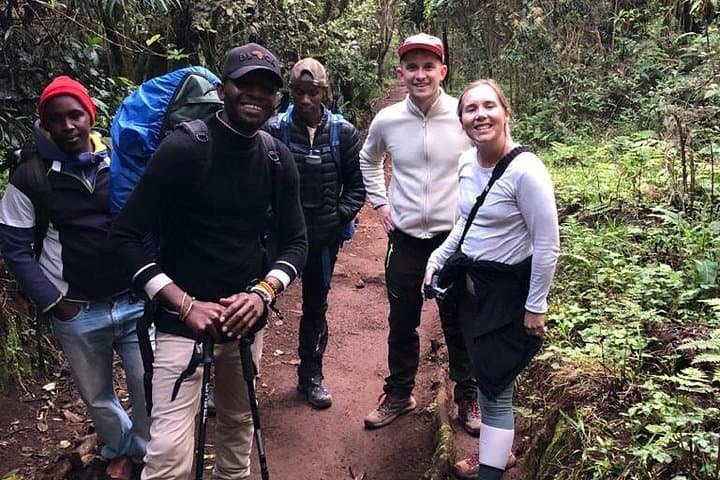
The night air at Kibo Hut bites with a clean, clinical cold that makes every breath feel like a small triumph. Torches bob like fireflies as the team files out into a sky so black the stars seem within reach; the trail ahead is a ribbon of headlamps that climbs and narrows toward Uhuru Peak. On the Marangu route you spend five days moving through the mountain’s moods — forest that smells of damp earth, wide moorland where tussocks whisper in the wind, then the barren, wind-scoured saddle between Mawenzi and Kibo where the summit waits.
Verified experiences and guided adventures in the surrounding area.
Operated by Super Game Tanzania Tours and Safaris · Moshi, Kilimanjaro Region
The night air at Kibo Hut bites with a clean, clinical cold that makes every breath feel like a small triumph. Torches bob like fireflies as the team files out into a sky so black the stars seem within reach; the trail ahead is a ribbon of headlamps that climbs and narrows toward Uhuru Peak. On the Marangu route you spend five days moving through the mountain’s moods — forest that smells of damp earth, wide moorland where tussocks whisper in the wind, then the barren, wind-scoured saddle between Mawenzi and Kibo where the summit waits.
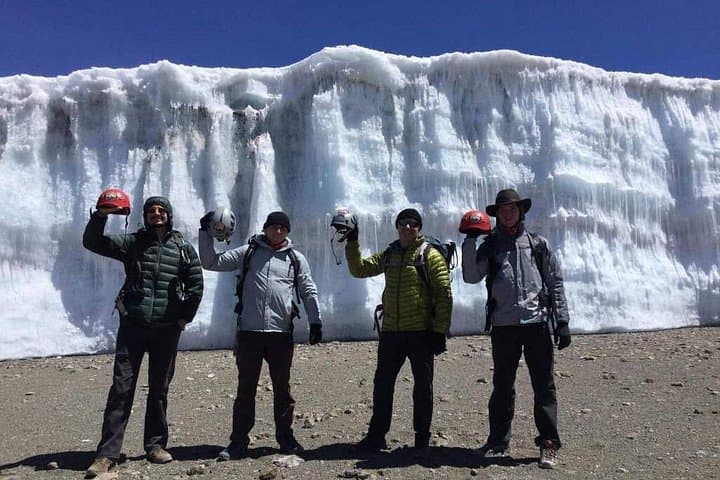
The Marangu route is Kilimanjaro’s oldest hut-to-hut track. Established when colonial-era explorers first mapped the massif, it follows a traditional east approach up from Marangu Gate. Geologically the mountain is an extinct stratovolcano with three peaks; Kibo, the highest, still cradles glaciers despite rapid retreat over recent decades. Culturally the slopes belong to the Chagga people — villages spill down into the foothills around Moshi, where you’ll meet porters, guides, and the warm hospitality that makes this route popular.
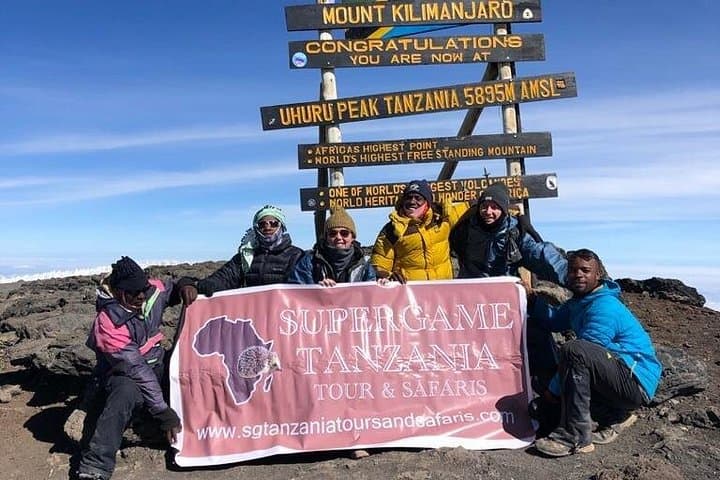
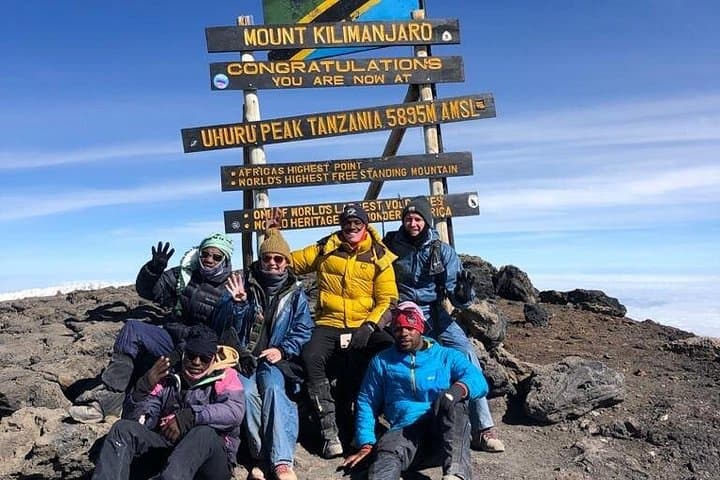
Days are straightforward on paper: day one climbs 12 km to Mandara Hut (≈2,700 m) through montane forest; day two gains roughly 1,020 m over 15 km to Horombo Hut (≈3,720 m) across moorland; day three traverses alpine desert to Kibo Hut (≈4,700 m); day four is summit night — an assault to Uhuru Peak (5,895 m) with a steep, slow push to Gillman’s Point and then the final walk across snow; day five is a long descent back to Marangu Gate and transfer to Arusha or Moshi. Expect stone scree above 4,000 m, icy patches near the crest, and rapidly shifting weather.
For planning: acclimatize by moving slowly and drinking often — 3–4 liters a day at altitude is sensible. Wear stiff, broken-in boots with good ankle support and bring warm, layered clothing for summit night. Huts on Marangu give a practical advantage: dorm bunks, cooked meals, and the chance to sleep off exertion rather than carry a tent. Still, pack thermal insulation; nights at Kibo can plummet well below freezing.
Logistics are simple: many operators include hotel pickup in Moshi or Arusha, hut fees and meals, and a guided team with cooks and porters. Be realistic about altitude — the mountain will claim energy and patience. If you keep a measured pace, respect the guides, and let the mountain set the tempo, the final ridge rewards you with a sunrise that turns snow and volcanic rock into a quiet, fierce expanse — the kind of view that reframes effort as something earned.
Marangu is technically non-technical and hut-based, which makes it accessible, but altitude makes it physically demanding; basic fitness and acclimatization are essential.
Most operators include hut accommodations and three meals per day on the route; bottled water and extras may be sold at camps for a surcharge.
Success depends on acclimatization, pacing, and weather; many climbers summit with proper preparation, but altitude-related turnaround decisions are common and prudent.
No technical gear is required for Marangu, but bring trekking poles, crampons or microspikes if climbing in icy conditions, and warm clothing for the summit.
No special vaccinations beyond routine travel shots are required; park fees and permits are handled by your operator and included in most packages.
Tipping is customary; many groups collect a pooled tip at the end—budget around 10–20% of the trek price distributed among guides and porters.
Super Game Tanzania Tours and Safaris operates guided outdoor trips and adventures with an emphasis on safety, stewardship, and memorable experiences.
The night air at Kibo Hut bites with a clean, clinical cold that makes every breath feel like a small triumph. Torches bob like fireflies as the team files out into a sky so black the stars seem within reach; the trail ahead is a ribbon of headlamps that climbs and narrows toward Uhuru Peak. On the Marangu route you spend five days moving through the mountain’s moods — forest that smells of damp earth, wide moorland where tussocks whisper in the wind, then the barren, wind-scoured saddle between Mawenzi and Kibo where the summit waits.
The night air at Kibo Hut bites with a clean, clinical cold that makes every breath feel like a small triumph. Torches bob like fireflies as the team files out into a sky so black the stars seem within reach; the trail ahead is a ribbon of headlamps that climbs and narrows toward Uhuru Peak. On the Marangu route you spend five days moving through the mountain’s moods — forest that smells of damp earth, wide moorland where tussocks whisper in the wind, then the barren, wind-scoured saddle between Mawenzi and Kibo where the summit waits.
The Marangu route is Kilimanjaro’s oldest hut-to-hut track. Established when colonial-era explorers first mapped the massif, it follows a traditional east approach up from Marangu Gate. Geologically the mountain is an extinct stratovolcano with three peaks; Kibo, the highest, still cradles glaciers despite rapid retreat over recent decades. Culturally the slopes belong to the Chagga people — villages spill down into the foothills around Moshi, where you’ll meet porters, guides, and the warm hospitality that makes this route popular.
Days are straightforward on paper: day one climbs 12 km to Mandara Hut (≈2,700 m) through montane forest; day two gains roughly 1,020 m over 15 km to Horombo Hut (≈3,720 m) across moorland; day three traverses alpine desert to Kibo Hut (≈4,700 m); day four is summit night — an assault to Uhuru Peak (5,895 m) with a steep, slow push to Gillman’s Point and then the final walk across snow; day five is a long descent back to Marangu Gate and transfer to Arusha or Moshi. Expect stone scree above 4,000 m, icy patches near the crest, and rapidly shifting weather.
For planning: acclimatize by moving slowly and drinking often — 3–4 liters a day at altitude is sensible. Wear stiff, broken-in boots with good ankle support and bring warm, layered clothing for summit night. Huts on Marangu give a practical advantage: dorm bunks, cooked meals, and the chance to sleep off exertion rather than carry a tent. Still, pack thermal insulation; nights at Kibo can plummet well below freezing.
Logistics are simple: many operators include hotel pickup in Moshi or Arusha, hut fees and meals, and a guided team with cooks and porters. Be realistic about altitude — the mountain will claim energy and patience. If you keep a measured pace, respect the guides, and let the mountain set the tempo, the final ridge rewards you with a sunrise that turns snow and volcanic rock into a quiet, fierce expanse — the kind of view that reframes effort as something earned.