THE ADVENTURE COLLECTIVE® · Independent discovery and booking for outdoor travel

Five days, shared huts, and a classic East African climb: the Marangu Route gives you a packaged path to Uhuru Peak with clear stages, reliable logistics, and the hardest work saved for the midnight summit push. Read on for what to expect—and how to prepare.
Five days, shared huts, and a classic East African climb: the Marangu Route gives you a packaged path to Uhuru Peak with clear stages, reliable logistics, and the hardest work saved for the midnight summit push. Read on for what to expect—and how to prepare.
You wake before dawn to the smell of instant coffee and the rustle of plastic sleeping mats in a crowded hut. Outside, the night is bone-fine and the stars sit like pinpricks above the black mass of Kibo; inside, porters shift gear and guides run last-minute checks. The Marangu Route starts here—in the company of a small, steady caravan—climbing through rainforest that loosens into moorland and then a barren, high-altitude saddle where the mountain strips you down to what matters: pace, breath, and grit.
Verified experiences and guided adventures in the surrounding area.
Operated by Africa Outland Tours · Marangu, Kilimanjaro Region
You wake before dawn to the smell of instant coffee and the rustle of plastic sleeping mats in a crowded hut. Outside, the night is bone-fine and the stars sit like pinpricks above the black mass of Kibo; inside, porters shift gear and guides run last-minute checks. The Marangu Route starts here—in the company of a small, steady caravan—climbing through rainforest that loosens into moorland and then a barren, high-altitude saddle where the mountain strips you down to what matters: pace, breath, and grit.
Marangu is one of Kilimanjaro’s oldest and most trafficked lines to the summit, favored for its hut system and a compact five-day itinerary. Geologically Kilimanjaro is a dormant stratovolcano composed of three cones—Kibo (the highest), Mawenzi, and Shira—born from tectonic uplift and fed by ancient lava. The route threads a series of ecological bands: montane forest full of bird song and moss; heath and moorland with giant lobelia and groundsels personifying endurance; alpine desert above Kibo Hut; then the rocky push to Gilman’s Point and Uhuru Peak at 5,895 m.
Culturally, you pass through Chagga country—an agricultural people whose banana terraces and coffee farms frame the approaches to the park. Marangu village serves as the last true settlement before the national park gate; local guides and porters—vital to the ascent—bring their own rhythms and humor to the climb. Side trips like Maundi Crater add a human-scale geological curiosity to the route and are often scheduled early on the first day.
Practical reality arrives in the form of altitude and logistics. Expect daily ascents of 600–1,000 m on good boot-packed trails, with the hardest section the midnight-to-dawn summit push that requires 5–8 hours of steady, slow climbing in sub-zero wind and glare. Huts provide bunk-style shelter and cooked meals, but bring layers: nights are bitter, days can be fierce sun. Hydration and slow pacing are non-negotiable—aim for small sips frequently and follow your guide’s acclimatization advice (many parties request an extra rest day at Horombo Hut to improve summit odds).
The operator supplies transfers, hut reservations, and most meals; you handle personal kit, a headlamp with fresh batteries, sunscreen, and a lightweight but warm down layer for summit night. Be prepared to tip porters and guides at the end—this system supports many families in the region.
Successful summits on Marangu are earned through steady feet, respect for altitude, and listening to your team. When you stand at Uhuru, the wind will seem to push you forward and the clouds will feel like a moving sea beneath you—an uncompromising, unforgettable moment earned by five days of deliberate, communal effort.
Marangu is considered one of the more straightforward routes due to hut accommodation and a direct profile, but the five-day itinerary compresses acclimatization making it physically demanding and reliant on careful pacing.
No technical climbing skills are required, but you should have good aerobic fitness and experience with multiday hiking and carrying a daypack.
Huts on Marangu are shared dormitory-style bunks; expect communal sleeping areas and shared facilities.
Common symptoms include headache, nausea, dizziness, and poor sleep—communicate early with guides; descent is the primary treatment for severe symptoms.
Yes—operators provide three meals a day on the mountain; carry snacks you prefer for energy and comfort.
Plan roughly $100–$200 total per climber for tipping guides and porters, plus small purchases like bottled water at huts or souvenirs in Marangu village.
Africa Outland Tours operates guided outdoor trips and adventures with an emphasis on safety, stewardship, and memorable experiences.


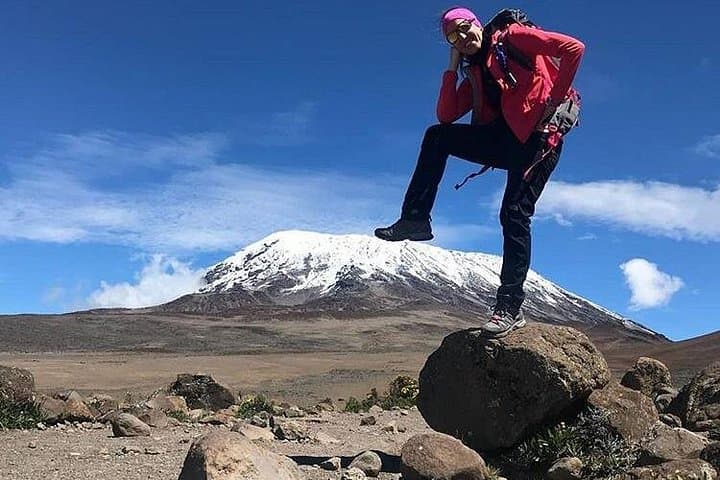
You wake before dawn to the smell of instant coffee and the rustle of plastic sleeping mats in a crowded hut. Outside, the night is bone-fine and the stars sit like pinpricks above the black mass of Kibo; inside, porters shift gear and guides run last-minute checks. The Marangu Route starts here—in the company of a small, steady caravan—climbing through rainforest that loosens into moorland and then a barren, high-altitude saddle where the mountain strips you down to what matters: pace, breath, and grit.
You wake before dawn to the smell of instant coffee and the rustle of plastic sleeping mats in a crowded hut. Outside, the night is bone-fine and the stars sit like pinpricks above the black mass of Kibo; inside, porters shift gear and guides run last-minute checks. The Marangu Route starts here—in the company of a small, steady caravan—climbing through rainforest that loosens into moorland and then a barren, high-altitude saddle where the mountain strips you down to what matters: pace, breath, and grit.
Marangu is one of Kilimanjaro’s oldest and most trafficked lines to the summit, favored for its hut system and a compact five-day itinerary. Geologically Kilimanjaro is a dormant stratovolcano composed of three cones—Kibo (the highest), Mawenzi, and Shira—born from tectonic uplift and fed by ancient lava. The route threads a series of ecological bands: montane forest full of bird song and moss; heath and moorland with giant lobelia and groundsels personifying endurance; alpine desert above Kibo Hut; then the rocky push to Gilman’s Point and Uhuru Peak at 5,895 m.
Culturally, you pass through Chagga country—an agricultural people whose banana terraces and coffee farms frame the approaches to the park. Marangu village serves as the last true settlement before the national park gate; local guides and porters—vital to the ascent—bring their own rhythms and humor to the climb. Side trips like Maundi Crater add a human-scale geological curiosity to the route and are often scheduled early on the first day.
Practical reality arrives in the form of altitude and logistics. Expect daily ascents of 600–1,000 m on good boot-packed trails, with the hardest section the midnight-to-dawn summit push that requires 5–8 hours of steady, slow climbing in sub-zero wind and glare. Huts provide bunk-style shelter and cooked meals, but bring layers: nights are bitter, days can be fierce sun. Hydration and slow pacing are non-negotiable—aim for small sips frequently and follow your guide’s acclimatization advice (many parties request an extra rest day at Horombo Hut to improve summit odds).
The operator supplies transfers, hut reservations, and most meals; you handle personal kit, a headlamp with fresh batteries, sunscreen, and a lightweight but warm down layer for summit night. Be prepared to tip porters and guides at the end—this system supports many families in the region.
Successful summits on Marangu are earned through steady feet, respect for altitude, and listening to your team. When you stand at Uhuru, the wind will seem to push you forward and the clouds will feel like a moving sea beneath you—an uncompromising, unforgettable moment earned by five days of deliberate, communal effort.