THE ADVENTURE COLLECTIVE® · Independent discovery and booking for outdoor travel

A five-day trek from Kathmandu to Mardi Himal Base Camp offering alpine meadows, rhododendron forests, and sunrise views of Machhapuchhre. Learn what to expect day-by-day, elevation changes, and practical tips for acclimatization.
A five-day trek from Kathmandu to Mardi Himal Base Camp offering alpine meadows, rhododendron forests, and sunrise views of Machhapuchhre. Learn what to expect day-by-day, elevation changes, and practical tips for acclimatization.
Dawn breaks on the Annapurna ridgeline as you step off the short flight from Kathmandu into the softer light of Pokhara.
Within hours the road climbs to Kande and the trail narrows into a stair-stepped path of packed earth and stone, drawing you upward through rhododendron trunks and oak groves.
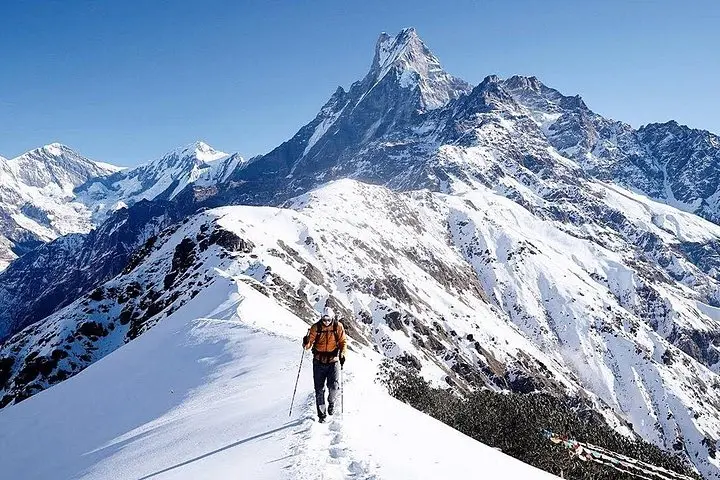
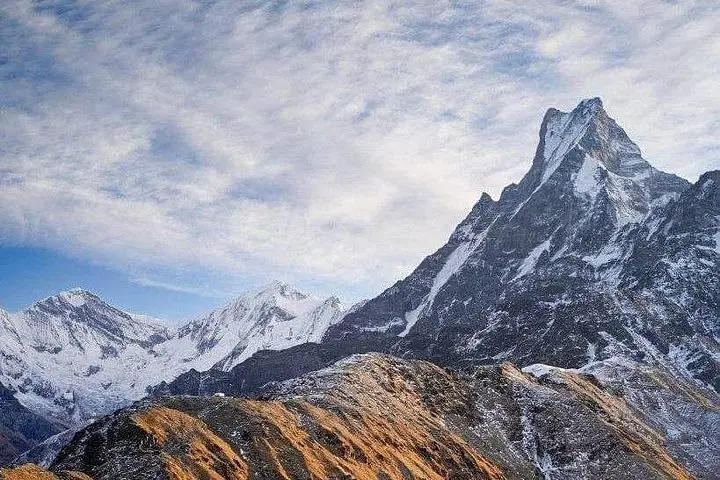
By the time you reach Australian Camp (2,050m) the fishtail silhouette of Machhapuchhre appears, an ever-present companion.
Verified experiences and guided adventures in the surrounding area.
Operated by Couch Adventure Nepal (CAN) · Pokhara, Gandaki Province
Dawn breaks on the Annapurna ridgeline as you step off the short flight from Kathmandu into the softer light of Pokhara.
Within hours the road climbs to Kande and the trail narrows into a stair-stepped path of packed earth and stone, drawing you upward through rhododendron trunks and oak groves.
By the time you reach Australian Camp (2,050m) the fishtail silhouette of Machhapuchhre appears, an ever-present companion.
Mardi Himal traces a quieter line east of popular Annapurna routes; historically it was little-trod by outsiders until local teahouse networks expanded in the 2000s.
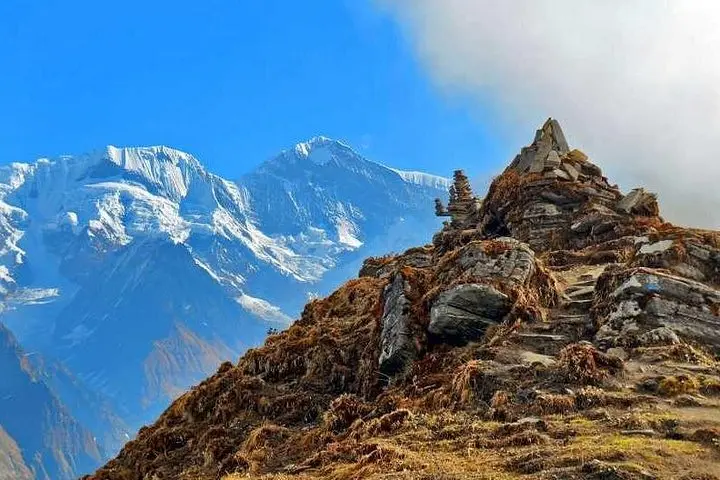
Geologically the trail climbs across ancient river terraces into alpine moraines and glacially polished ridges, giving way to bulbous meadows above treeline.
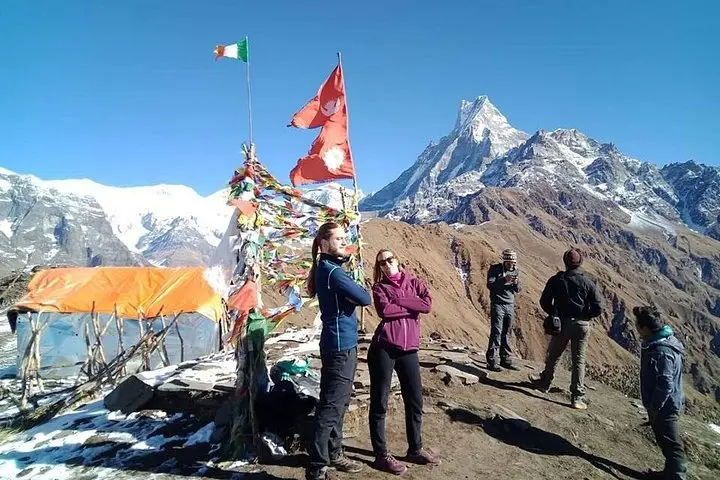
Culturally the route threads small Gurung and Magar villages—terraced fields, mani stones, and guesthouse hospitality shape the pace here.
Expect steady elevation gain: typical daily hiking ranges from 6–10 km with climbs of 400–1,000 m, topping out at roughly 4,500 m at Mardi Himal Base Camp.
Terrain shifts from forested switchbacks to narrow, rocky alpine trails; weather can swing quickly, so early starts and conservative pacing are wise.
Hydrate, carry layers for wind and sun, and plan for altitude—sleeping low and trekking high keeps acclimatization manageable.
Over five days you trade the bustle of Kathmandu for thin air and panoramic ridgelines—rewarding, demanding, and distinctly Himalayan.
You reach roughly 4,500 m at Base Camp—symptoms vary; the itinerary includes gradual gains but bring time-tested acclimatization strategies and consult a physician if concerned.
Yes—accommodations are basic teahouses/guesthouses on this route; expect simple meals, shared rooms, and limited hot water higher up.
A licensed guide is recommended for navigation and safety; trekking permits (Annapurna Conservation Area Permit and TIMS) are required and typically handled by operators.
Active beginners with multi-day hiking experience and good fitness can complete it, but be prepared for long days, altitude, and basic facilities.
Couch Adventure Nepal (CAN) operates guided outdoor trips and adventures with an emphasis on safety, stewardship, and memorable experiences.
Dawn breaks on the Annapurna ridgeline as you step off the short flight from Kathmandu into the softer light of Pokhara.
Within hours the road climbs to Kande and the trail narrows into a stair-stepped path of packed earth and stone, drawing you upward through rhododendron trunks and oak groves.
By the time you reach Australian Camp (2,050m) the fishtail silhouette of Machhapuchhre appears, an ever-present companion.
Mardi Himal traces a quieter line east of popular Annapurna routes; historically it was little-trod by outsiders until local teahouse networks expanded in the 2000s.
Geologically the trail climbs across ancient river terraces into alpine moraines and glacially polished ridges, giving way to bulbous meadows above treeline.
Culturally the route threads small Gurung and Magar villages—terraced fields, mani stones, and guesthouse hospitality shape the pace here.
Expect steady elevation gain: typical daily hiking ranges from 6–10 km with climbs of 400–1,000 m, topping out at roughly 4,500 m at Mardi Himal Base Camp.
Terrain shifts from forested switchbacks to narrow, rocky alpine trails; weather can swing quickly, so early starts and conservative pacing are wise.
Hydrate, carry layers for wind and sun, and plan for altitude—sleeping low and trekking high keeps acclimatization manageable.
Over five days you trade the bustle of Kathmandu for thin air and panoramic ridgelines—rewarding, demanding, and distinctly Himalayan.