THE ADVENTURE COLLECTIVE® · Independent discovery and booking for outdoor travel

Five days of forested ascents, ridgeline outlooks and tea-house nights take you from Pokhara to the high Mardi ridge for sunrise views of Fishtail and Annapurna. Expect 4–7 hours walking daily, guesthouse stays, and immersive village culture.
Five days of forested ascents, ridgeline outlooks and tea-house nights take you from Pokhara to the high Mardi ridge for sunrise views of Fishtail and Annapurna. Expect 4–7 hours walking daily, guesthouse stays, and immersive village culture.
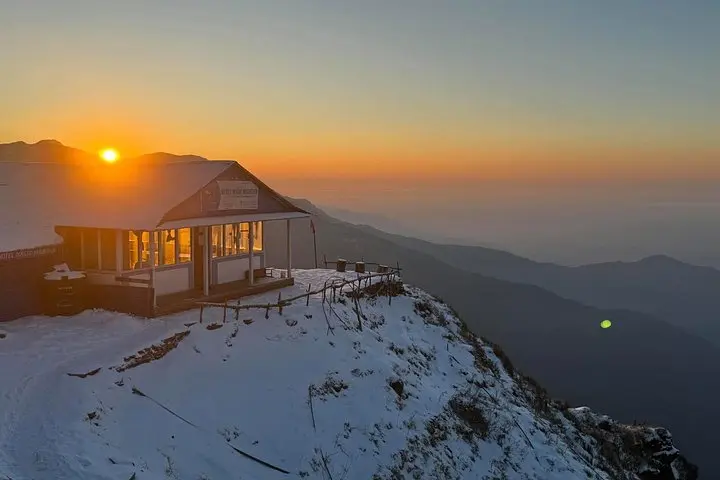
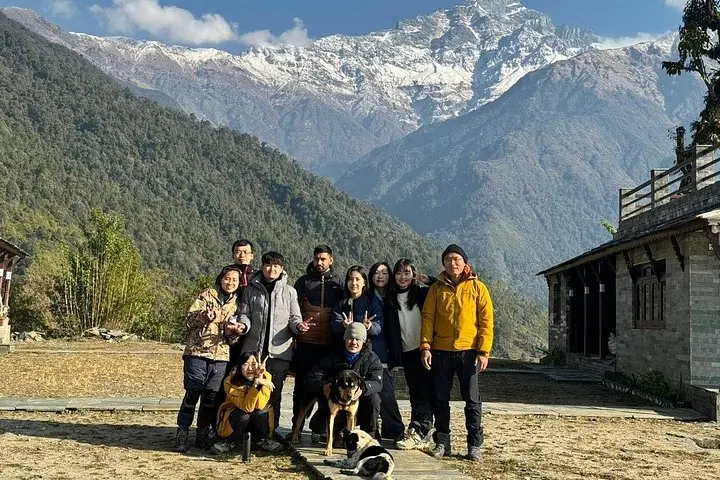
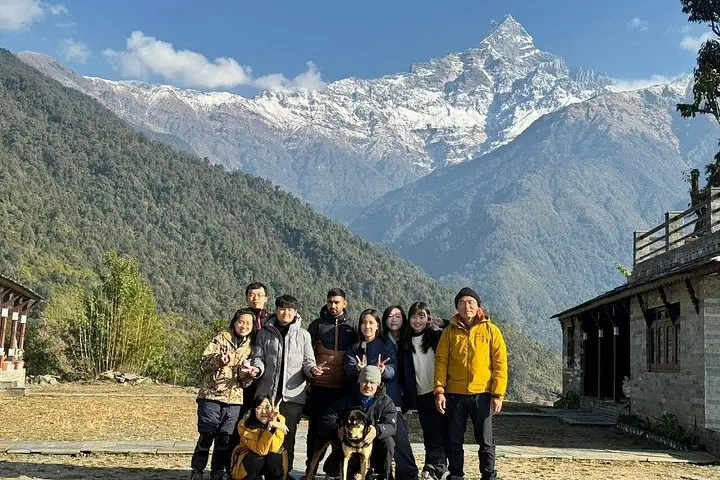
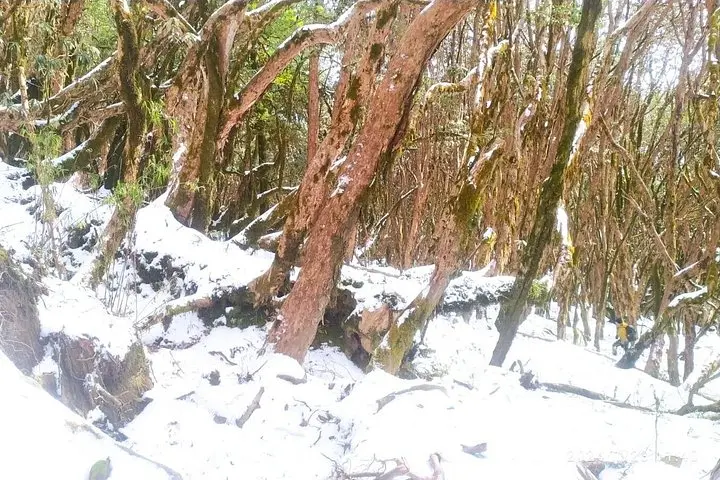
Morning light slices the Annapurna peaks as you step from a lakeside hotel into the vehicle that climbs toward Kande. The first steps lead through coffee-colored hills and into a green cathedral of rhododendron and oak; scent and silence follow until a sudden bench of sky opens to Machhapuchhre (Fishtail) and Annapurna South.
Verified experiences and guided adventures in the surrounding area.
Operated by CAN Travels · Pokhara, Gandaki Province
Morning light slices the Annapurna peaks as you step from a lakeside hotel into the vehicle that climbs toward Kande. The first steps lead through coffee-colored hills and into a green cathedral of rhododendron and oak; scent and silence follow until a sudden bench of sky opens to Machhapuchhre (Fishtail) and Annapurna South.
This five-day itinerary threads classic Annapurna foothills: village trails used by Gurung and Magar communities, wooded middles with moss-coated roots, and a narrow alpine ridge that pushes above the tree line. Geologically the route rides the southern flanks of the Annapurna massif — old metamorphic slopes giving way to glacially carved cirques and scree near the high camp. Cultural life is visible at every tea-house: homemade dal-bhat, carved wooden doorways, and communal evenings where guides swap route notes.
Practically, expect 4–7 hours of walking per day (itinerary totals roughly 30–32 hours on trail) with steady ascents and descents between 1,200–1,770 m village levels and the high ridgeline above the treeline. Terrain alternates packed dirt, stone steps, and short steep pitches; snow is possible at higher elevations in shoulder seasons. Permits and an English-speaking guide are standard; guest- house lodging and shared meals are the norm.
Bring layered clothing, waterproof boots, and a conservative pace to manage altitude. Start early for clear summit panoramas, carry cash for teahouses, and leave no trace — the region’s quiet depends on it.
Yes — trekkers must carry the Annapurna Conservation Area permit (ACAP) and TIMS where required; your operator typically arranges these.
Accommodation is in village guesthouses/tea-houses with basic twin rooms and shared bathrooms; expect simple meals and hot water for a fee.
It’s suitable for fit beginners with trekking experience; daily climbs are steady but technical skills are minimal. A guide is recommended for pacing and safety.
Spring (Mar–May) and autumn (Sep–Nov) offer the clearest views and rhododendron blooms; monsoon brings heavy rain and winter brings snow higher on the ridge.
CAN Travels operates guided outdoor trips and adventures with an emphasis on safety, stewardship, and memorable experiences.
Morning light slices the Annapurna peaks as you step from a lakeside hotel into the vehicle that climbs toward Kande. The first steps lead through coffee-colored hills and into a green cathedral of rhododendron and oak; scent and silence follow until a sudden bench of sky opens to Machhapuchhre (Fishtail) and Annapurna South.
Morning light slices the Annapurna peaks as you step from a lakeside hotel into the vehicle that climbs toward Kande. The first steps lead through coffee-colored hills and into a green cathedral of rhododendron and oak; scent and silence follow until a sudden bench of sky opens to Machhapuchhre (Fishtail) and Annapurna South.
This five-day itinerary threads classic Annapurna foothills: village trails used by Gurung and Magar communities, wooded middles with moss-coated roots, and a narrow alpine ridge that pushes above the tree line. Geologically the route rides the southern flanks of the Annapurna massif — old metamorphic slopes giving way to glacially carved cirques and scree near the high camp. Cultural life is visible at every tea-house: homemade dal-bhat, carved wooden doorways, and communal evenings where guides swap route notes.
Practically, expect 4–7 hours of walking per day (itinerary totals roughly 30–32 hours on trail) with steady ascents and descents between 1,200–1,770 m village levels and the high ridgeline above the treeline. Terrain alternates packed dirt, stone steps, and short steep pitches; snow is possible at higher elevations in shoulder seasons. Permits and an English-speaking guide are standard; guest- house lodging and shared meals are the norm.
Bring layered clothing, waterproof boots, and a conservative pace to manage altitude. Start early for clear summit panoramas, carry cash for teahouses, and leave no trace — the region’s quiet depends on it.