THE ADVENTURE COLLECTIVE® · Independent discovery and booking for outdoor travel

A brief, high-value five-day route from Pokhara into the less-crowded flank of the Annapurna range. Expect rhododendron forests, ridgewalks with Machhapuchhre views, and a demanding push above 3,500 m to reach Mardi’s viewpoints.
A brief, high-value five-day route from Pokhara into the less-crowded flank of the Annapurna range. Expect rhododendron forests, ridgewalks with Machhapuchhre views, and a demanding push above 3,500 m to reach Mardi’s viewpoints.
A pre-dawn jeep ride out of Pokhara drops you at Kande and the trail immediately climbs into a corridor of rhododendron and oak. By mid-morning the forest opens to terraces and glimpses of Machhapuchhre (Fishtail) and the jagged teeth of the Annapurna massif; the air sharpens, the ridge line pulls your attention uphill.
Verified experiences and guided adventures in the surrounding area.
Operated by Welcome Nepal Treks P.ltd · Pokhara, Gandaki Province
A pre-dawn jeep ride out of Pokhara drops you at Kande and the trail immediately climbs into a corridor of rhododendron and oak. By mid-morning the forest opens to terraces and glimpses of Machhapuchhre (Fishtail) and the jagged teeth of the Annapurna massif; the air sharpens, the ridge line pulls your attention uphill.
The Mardi Himal route threads the western flank of the Annapurna range inside the Annapurna Conservation Area, following old shepherd tracks and newly developed tea-house stages. Geologically the trail traces uplifted metamorphic rock and glacially scoured valleys; culturally it passes Gurung and Magar villages where farming terraces and mani stones mark human rhythms at altitude. Spring blooms loud with rhododendron, while winter brings a quiet margin of snow.
Expect daily stages of 3–6 hours with steady elevation: Kande to Pothana/Deurali (~2,100m), Low Camp (3,150m), High Camp (3,700m) and Mardi Base/col approaching ~4,200–4,500m depending on route choices before descending to Sidding. Terrain shifts from packed dirt and rooty forest to exposed ridge and scree near the high camp and base area; sections can be slippery after rain or in early snow.
Practical nuts-and-bolts: carry permits (ACAP/TIMS), pace your ascent to reduce altitude risk, and aim for early starts to avoid afternoon clouds. Good waterproof layers, sticky-soled boots and 1–2 liters of on-trail water capacity will make the five-day itinerary straightforward and deeply rewarding.
Yes—standard permits for the Annapurna Conservation Area (ACAP) and a TIMS card are required; your operator usually arranges these before you start.
It’s classed moderate: daily hiking is 3–6 hours with steady elevation gain; previous trekking experience is helpful but not mandatory with proper fitness training.
Above ~3,500 m expect possible snow and icy patches in late fall through early spring; microspikes can help in winter conditions.
Most lodges will prepare vegetarian and simple meals; bring any specialty dietary items and communicate requirements to your guide in advance.
Welcome Nepal Treks P.ltd operates guided outdoor trips and adventures with an emphasis on safety, stewardship, and memorable experiences.

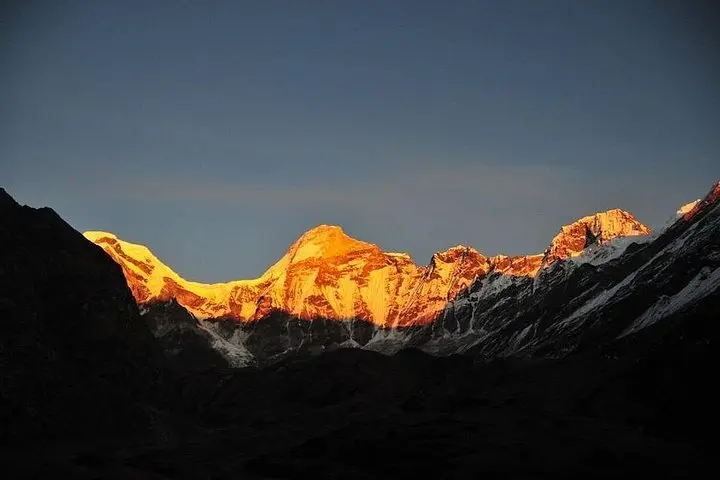
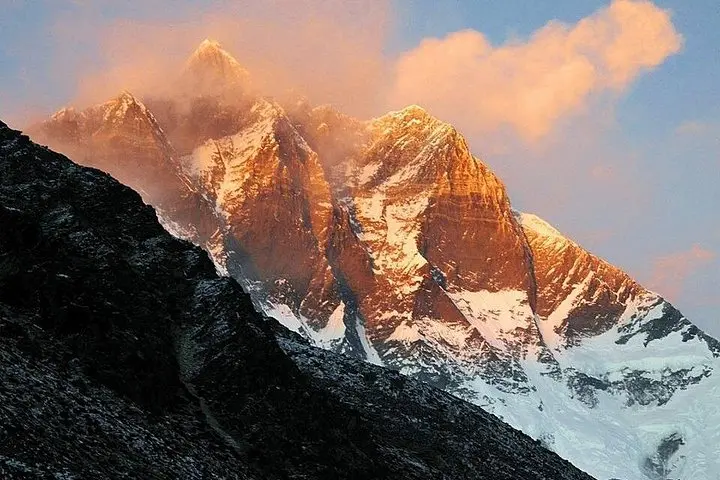
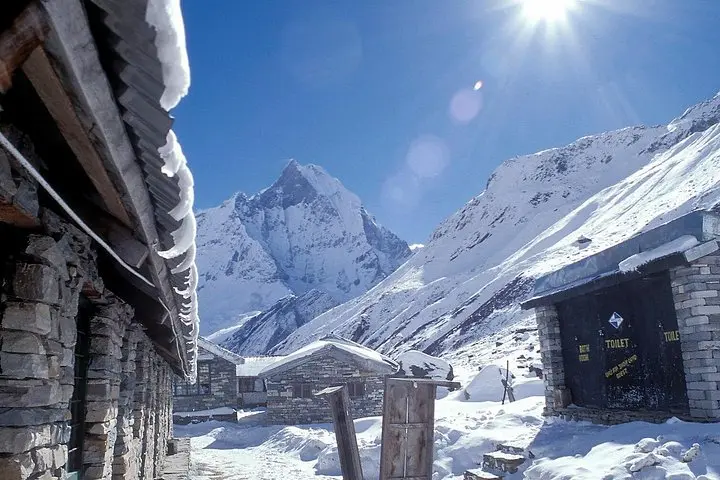
A pre-dawn jeep ride out of Pokhara drops you at Kande and the trail immediately climbs into a corridor of rhododendron and oak. By mid-morning the forest opens to terraces and glimpses of Machhapuchhre (Fishtail) and the jagged teeth of the Annapurna massif; the air sharpens, the ridge line pulls your attention uphill.
A pre-dawn jeep ride out of Pokhara drops you at Kande and the trail immediately climbs into a corridor of rhododendron and oak. By mid-morning the forest opens to terraces and glimpses of Machhapuchhre (Fishtail) and the jagged teeth of the Annapurna massif; the air sharpens, the ridge line pulls your attention uphill.
The Mardi Himal route threads the western flank of the Annapurna range inside the Annapurna Conservation Area, following old shepherd tracks and newly developed tea-house stages. Geologically the trail traces uplifted metamorphic rock and glacially scoured valleys; culturally it passes Gurung and Magar villages where farming terraces and mani stones mark human rhythms at altitude. Spring blooms loud with rhododendron, while winter brings a quiet margin of snow.
Expect daily stages of 3–6 hours with steady elevation: Kande to Pothana/Deurali (~2,100m), Low Camp (3,150m), High Camp (3,700m) and Mardi Base/col approaching ~4,200–4,500m depending on route choices before descending to Sidding. Terrain shifts from packed dirt and rooty forest to exposed ridge and scree near the high camp and base area; sections can be slippery after rain or in early snow.
Practical nuts-and-bolts: carry permits (ACAP/TIMS), pace your ascent to reduce altitude risk, and aim for early starts to avoid afternoon clouds. Good waterproof layers, sticky-soled boots and 1–2 liters of on-trail water capacity will make the five-day itinerary straightforward and deeply rewarding.