THE ADVENTURE COLLECTIVE® · Independent discovery and booking for outdoor travel

A practical five-day route from Marrakech to the Sahara that combines Atlas passes, iconic kasbahs like Aït Ben Haddou, and an overnight in the Merzouga dunes with a camel trek. Perfect for travelers who want culture, geology, and a genuine desert night without extreme exertion.
A practical five-day route from Marrakech to the Sahara that combines Atlas passes, iconic kasbahs like Aït Ben Haddou, and an overnight in the Merzouga dunes with a camel trek. Perfect for travelers who want culture, geology, and a genuine desert night without extreme exertion.
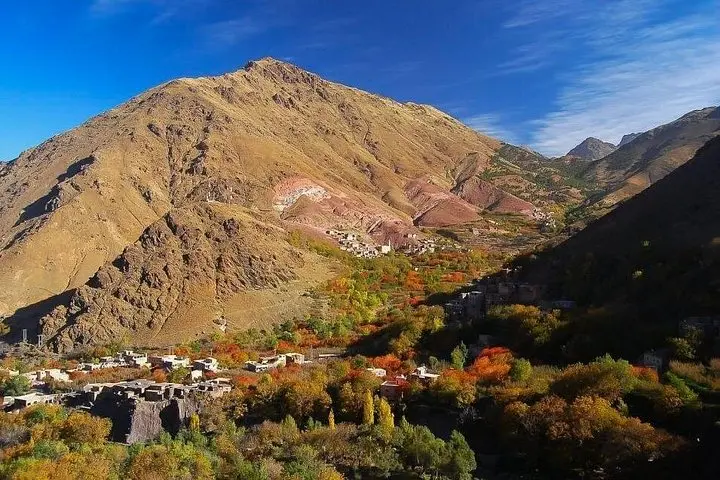
You step out of Marrakech before dawn and the city’s noise yields to a road that climbs into the High Atlas, where wind-carved passes push you through russet cliffs and terraced fields. By late afternoon the landscape loosens into ochre plains and kasbah-lined washlands; come evening, dunes rise like a slow-moving sea and the desert demands your attention.
Verified experiences and guided adventures in the surrounding area.
Operated by LynxTrip · Marrakech, Marrakesh-Safi
You step out of Marrakech before dawn and the city’s noise yields to a road that climbs into the High Atlas, where wind-carved passes push you through russet cliffs and terraced fields. By late afternoon the landscape loosens into ochre plains and kasbah-lined washlands; come evening, dunes rise like a slow-moving sea and the desert demands your attention.
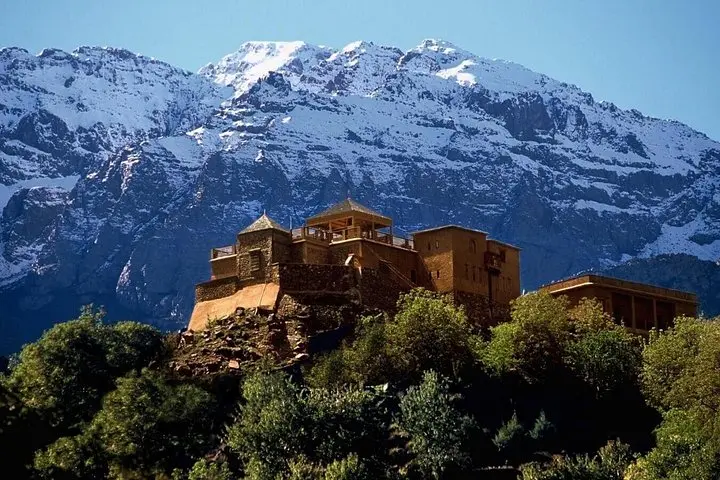
This five-day loop traces centuries of trade and culture: the caravan routes that once stitched Marrakech to Timbuktu, the fortified kasbahs like Aït Ben Haddou that watched over the roads, and the living Amazigh (Berber) traditions still practiced in mountain villages and desert camps. Geologically, the Atlas is a collision range—metamorphic cores thrust up next to sedimentary basins—while the Erg Chebbi dunes near Merzouga are recent, wind-built piles of sand that shift daily.
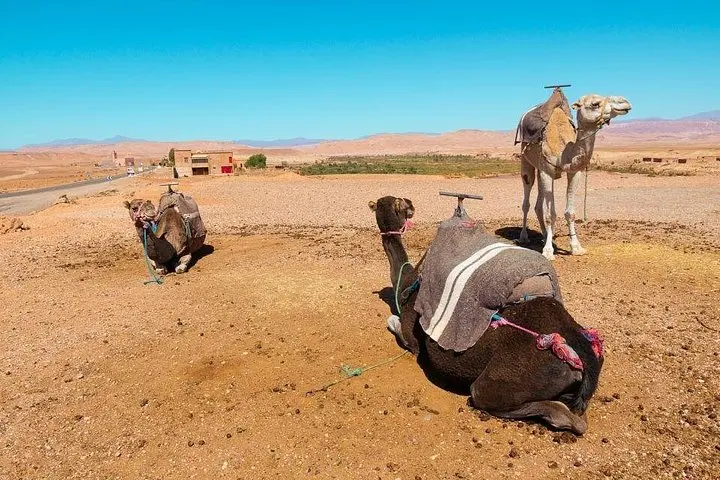
Expect cultural exchanges: shared mint tea, storytelling around a fire, and a night under open sky in a desert camp after a short camel ride to the dunes. The itinerary moves at a practical pace—daily drives with short hikes and village visits—so bring patience for travel times and an appetite for simple, local food.
Practical guidance: pack layered clothing for hot days and cold nights, sun protection for exposed dunes, and a small daypack for hikes. Hydrate often on drives and listen to guides on camel handling and dune safety. If you want smaller groups or longer hikes into canyons like Todra, ask about private options when booking.
Most departures and returns are in Marrakech; the itinerary includes overnight stops en route to Merzouga and returns through the Atlas.
No technical skill is required—camels are handled by guides, but expect basic mounting and a steady, swaying gait for an hour or two.
Moderate—able to walk short distances, climb stairs at kasbahs, and tolerate several hours in a vehicle each day.
Local meals are simple; inform the operator in advance about allergies or dietary restrictions so they can plan meals accordingly.
LynxTrip operates guided outdoor trips and adventures with an emphasis on safety, stewardship, and memorable experiences.
You step out of Marrakech before dawn and the city’s noise yields to a road that climbs into the High Atlas, where wind-carved passes push you through russet cliffs and terraced fields. By late afternoon the landscape loosens into ochre plains and kasbah-lined washlands; come evening, dunes rise like a slow-moving sea and the desert demands your attention.
You step out of Marrakech before dawn and the city’s noise yields to a road that climbs into the High Atlas, where wind-carved passes push you through russet cliffs and terraced fields. By late afternoon the landscape loosens into ochre plains and kasbah-lined washlands; come evening, dunes rise like a slow-moving sea and the desert demands your attention.
This five-day loop traces centuries of trade and culture: the caravan routes that once stitched Marrakech to Timbuktu, the fortified kasbahs like Aït Ben Haddou that watched over the roads, and the living Amazigh (Berber) traditions still practiced in mountain villages and desert camps. Geologically, the Atlas is a collision range—metamorphic cores thrust up next to sedimentary basins—while the Erg Chebbi dunes near Merzouga are recent, wind-built piles of sand that shift daily.
Expect cultural exchanges: shared mint tea, storytelling around a fire, and a night under open sky in a desert camp after a short camel ride to the dunes. The itinerary moves at a practical pace—daily drives with short hikes and village visits—so bring patience for travel times and an appetite for simple, local food.
Practical guidance: pack layered clothing for hot days and cold nights, sun protection for exposed dunes, and a small daypack for hikes. Hydrate often on drives and listen to guides on camel handling and dune safety. If you want smaller groups or longer hikes into canyons like Todra, ask about private options when booking.