THE ADVENTURE COLLECTIVE® · Independent discovery and booking for outdoor travel

A five-day circuit from Nairobi into Maasai Mara and Lake Nakuru, this safari pairs Big Five game drives in open-roof 4x4s with flamingo-fringed lake views and Rift Valley panoramas. Expect early starts, expert guides, and lodge stays with included park fees.
A five-day circuit from Nairobi into Maasai Mara and Lake Nakuru, this safari pairs Big Five game drives in open-roof 4x4s with flamingo-fringed lake views and Rift Valley panoramas. Expect early starts, expert guides, and lodge stays with included park fees.
Dawn in the Mara feels like a slow exhale: the land cruiser rolls over dew-dark grass, and the horizon sharpens as acacia silhouettes cut into the light.
Verified experiences and guided adventures in the surrounding area.
Operated by Sabilom Kenya Tours & Safaris · Masai Mara, Narok County
Dawn in the Mara feels like a slow exhale: the land cruiser rolls over dew-dark grass, and the horizon sharpens as acacia silhouettes cut into the light.
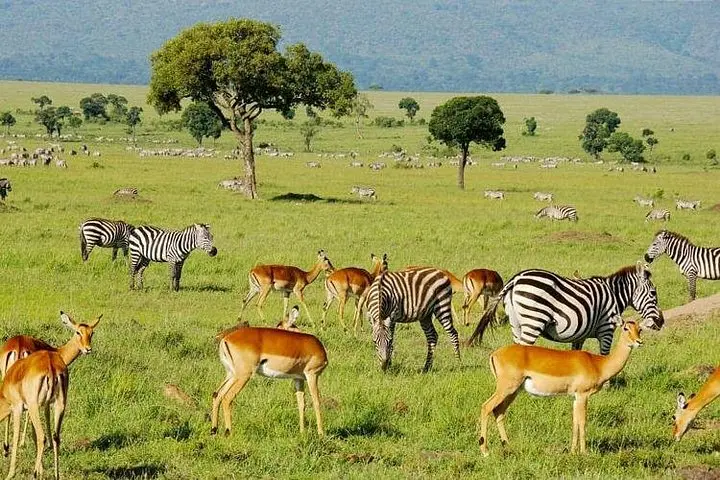
Across five days travelers move from Nairobi’s urban bustle into the open rangelands of Maasai Mara and the alkaline shores of Lake Nakuru. The Mara’s savanna—an extension of Tanzania’s Serengeti—is carved by ancient tectonic forces of the Rift Valley; its short grass and riverine woodlands concentrate game and predators alike. Lake Nakuru, a shallow soda lake on the Rift’s eastern flank, is famed for seasonal blooms of pink flamingos and a refuge for white rhinos.
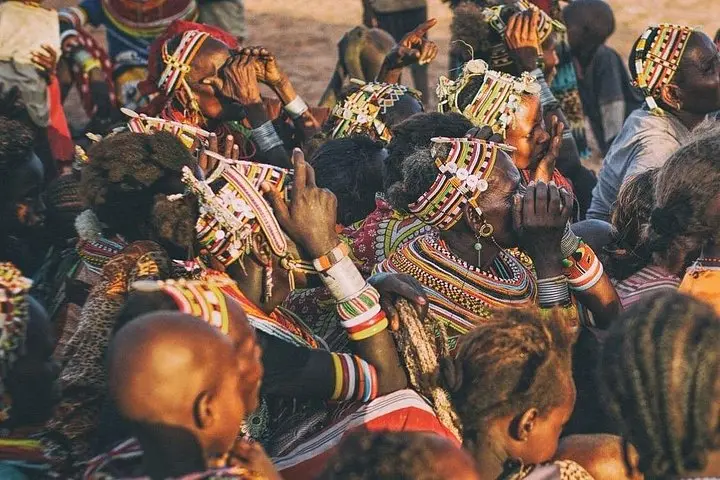
Cultural threads run through the trip: Maasai pastoral communities maintain a visible presence around reserve boundaries, offering optional village visits that illuminate local life and livestock traditions. Geology and ecology intersect at roadside viewpoints over the Rift Valley floor, where volcanic soils and fluctuating water levels shape habitat and migration patterns.
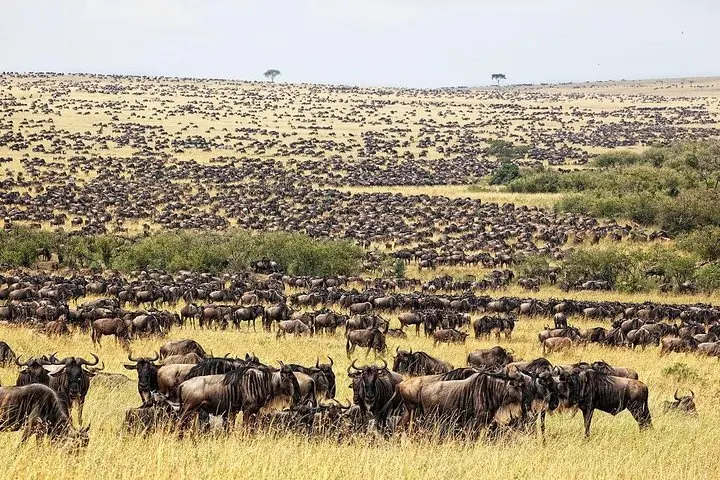
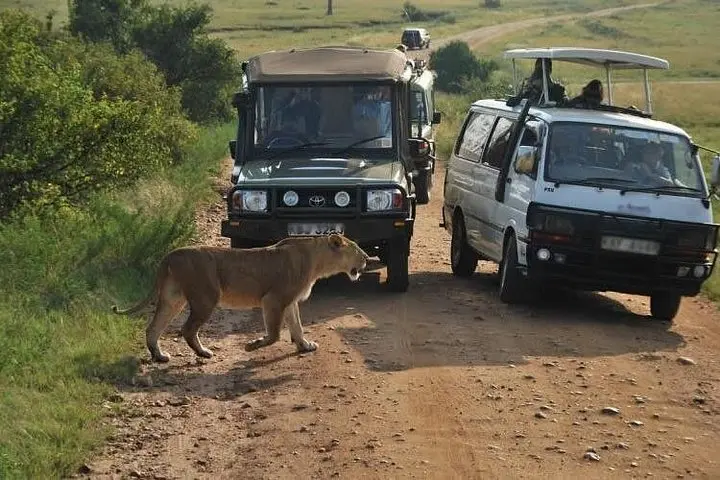
Practically, expect early departures and multiple game drives in an open-roof 4x4 with a professional guide. Days are low-impact physically but rich in long periods of sitting, spotting, and short walks at lodges. Bring layered clothing for cool mornings and hot afternoons, sun protection, and a good pair of binoculars. Photography benefits from a telephoto lens and steady hands; vehicles park for sightings but distances can vary. Accommodations are lodge-based; park fees and guided drives are included. For best visibility of the Great Migration visit July–October, while flamingo concentrations at Nakuru peak in the wet months. With basic planning—hydration, sun care, and patience—this itinerary delivers classic East African wildlife viewing with geological and cultural context.
Consult your doctor—Masai Mara and Lake Nakuru are in malaria zones; many travelers take prophylaxis and use mosquito repellent at dusk and night.
Yes—this itinerary is lodge-based with gentle game drives and is described as suitable for all fitness levels, though long drives can be tiring for very young or less mobile guests.
The migration passes the Mara primarily July–October; sightings are seasonal and not guaranteed but those months offer the best chance to see large herds and river crossings.
According to the itinerary, park entrance fees, most meals, and professional driver-guide services are included; optional extras like Maasai village visits and balloon safaris incur additional costs.
Sabilom Kenya Tours & Safaris operates guided outdoor trips and adventures with an emphasis on safety, stewardship, and memorable experiences.
Dawn in the Mara feels like a slow exhale: the land cruiser rolls over dew-dark grass, and the horizon sharpens as acacia silhouettes cut into the light.
Dawn in the Mara feels like a slow exhale: the land cruiser rolls over dew-dark grass, and the horizon sharpens as acacia silhouettes cut into the light.
Across five days travelers move from Nairobi’s urban bustle into the open rangelands of Maasai Mara and the alkaline shores of Lake Nakuru. The Mara’s savanna—an extension of Tanzania’s Serengeti—is carved by ancient tectonic forces of the Rift Valley; its short grass and riverine woodlands concentrate game and predators alike. Lake Nakuru, a shallow soda lake on the Rift’s eastern flank, is famed for seasonal blooms of pink flamingos and a refuge for white rhinos.
Cultural threads run through the trip: Maasai pastoral communities maintain a visible presence around reserve boundaries, offering optional village visits that illuminate local life and livestock traditions. Geology and ecology intersect at roadside viewpoints over the Rift Valley floor, where volcanic soils and fluctuating water levels shape habitat and migration patterns.
Practically, expect early departures and multiple game drives in an open-roof 4x4 with a professional guide. Days are low-impact physically but rich in long periods of sitting, spotting, and short walks at lodges. Bring layered clothing for cool mornings and hot afternoons, sun protection, and a good pair of binoculars. Photography benefits from a telephoto lens and steady hands; vehicles park for sightings but distances can vary. Accommodations are lodge-based; park fees and guided drives are included. For best visibility of the Great Migration visit July–October, while flamingo concentrations at Nakuru peak in the wet months. With basic planning—hydration, sun care, and patience—this itinerary delivers classic East African wildlife viewing with geological and cultural context.