THE ADVENTURE COLLECTIVE® · Independent discovery and booking for outdoor travel

This five-day safari moves from the wide-open plains of Masai Mara to flamingo-fringed Lake Nakuru and the quiet waters of Naivasha, blending big-game viewing with Rift Valley scenery and Maasai cultural visits. Expect early starts, long game drives, and unforgettable light for photography.
This five-day safari moves from the wide-open plains of Masai Mara to flamingo-fringed Lake Nakuru and the quiet waters of Naivasha, blending big-game viewing with Rift Valley scenery and Maasai cultural visits. Expect early starts, long game drives, and unforgettable light for photography.
The jeep hums onto the dirt track before dawn and the grasslands go quiet around you. A strip of orange light separates the silhouette of acacia crowns from the sky; a lone topi lifts its head and the guide nudges the engine into a lower gear. Over five days this loop—Nairobi to Masai Mara, on to Lake Nakuru and Lake Naivasha, then back through Hell’s Gate—moves from wide-open savanna into alkaline lakeshores and Rift Valley cliffs, each landscape asking you to look differently.
Verified experiences and guided adventures in the surrounding area.
Operated by Savannah Woods Safaris · Nairobi, Nairobi County
The jeep hums onto the dirt track before dawn and the grasslands go quiet around you. A strip of orange light separates the silhouette of acacia crowns from the sky; a lone topi lifts its head and the guide nudges the engine into a lower gear. Over five days this loop—Nairobi to Masai Mara, on to Lake Nakuru and Lake Naivasha, then back through Hell’s Gate—moves from wide-open savanna into alkaline lakeshores and Rift Valley cliffs, each landscape asking you to look differently.
Masai Mara is the anchor: rolling plains carved by the Mara River, seasonal crossings where crocodiles and hippos stake territory, and plains that seem to fold into the horizon so wildlife can move unfenced between Kenya and the Serengeti. Nakuru shifts the script—pink bands of flamingos at the lake edge, pockets of acacia and woodland where rhino and Rothschild’s giraffe graze. Naivasha offers a quieter water world—papyrus islands, water birds, and the chance for a footed nature walk on Crescent Island.
This place is not only geology and animals. The Rift Valley itself is a scar of tectonic movement; escarpments like the Great Rift offer the same view colonial explorers once described. The Maasai communities here keep an active role in the landscape—many conservancies are co-managed, and cultural visits give a look at daily life and long-standing pastoral traditions.
Practical notes: the itinerary is driven but paced—long morning transfers broken by short game drives and cultural stops. Expect early starts and late returns after sunset game drives. Park fees, 4x4 transport, accommodations and most meals are included; tipping and optional activities (boat rides, guided walks) are additional. Temperatures vary—mornings can be cool in the highlands and blistering by midday on the plains—so layers are essential. Binoculars, a good telephoto lens and a sun hat will change what you bring home.
Health and safety: this is a low-technical activity but not low-effort—safari days are sedentary but long; short walks in parks may be uneven. Malaria risk exists in some lakeside areas—check current guidance and bring repellant. Respect wildlife distances; the guide enforces rules for your safety and for the animals.
When to go: dry months concentrate wildlife and improve road conditions; the long rains make the landscape lush and green but can complicate travel. For photographers the first and last light are everything—be ready in the vehicle before dawn and plan for golden-hour game drives.
By the last afternoon, back in Nairobi with a lens full of light and a head full of plains, the safari shows itself as several different trips at once: geology, birding, big-game viewing and a short immersion in a living pastoral culture. It’s practical, elemental and designed so you return with both stories and well-ordered logistics.
June to October are generally the driest months and offer excellent game viewing and road conditions; the long rains (March–May) make landscapes green but can limit access.
Yes, park fees are listed as included along with 4x4 transport, accommodations and most meals per the itinerary details.
Consult your doctor—yellow fever vaccination proof may be required depending on origin, and malaria prophylaxis is commonly advised for lakeside areas like Naivasha.
Children can join but age and booking questions are required; some walks and boat rides may have age restrictions—confirm with the operator.
The listing notes wheelchair-accessible options, but game drives and some terrain can be uneven—discuss specific mobility needs with the operator before booking.
Gratuities are customary; while a gratuity is listed under inclusions as a fee type, many travelers tip drivers/guides at their discretion based on service.
Savannah Woods Safaris operates guided outdoor trips and adventures with an emphasis on safety, stewardship, and memorable experiences.
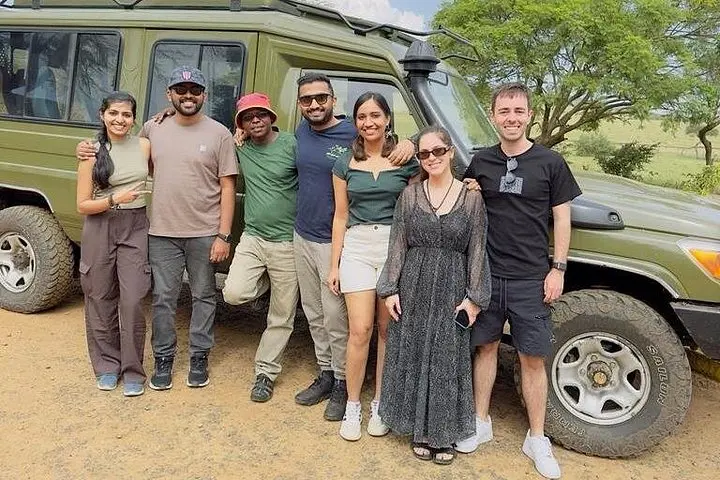
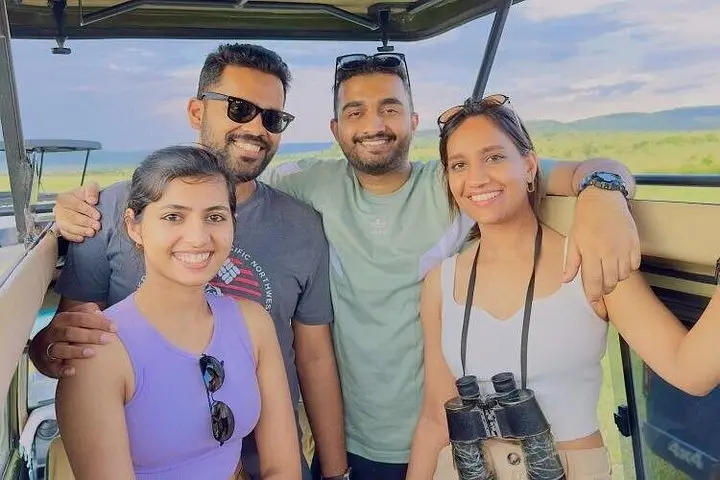
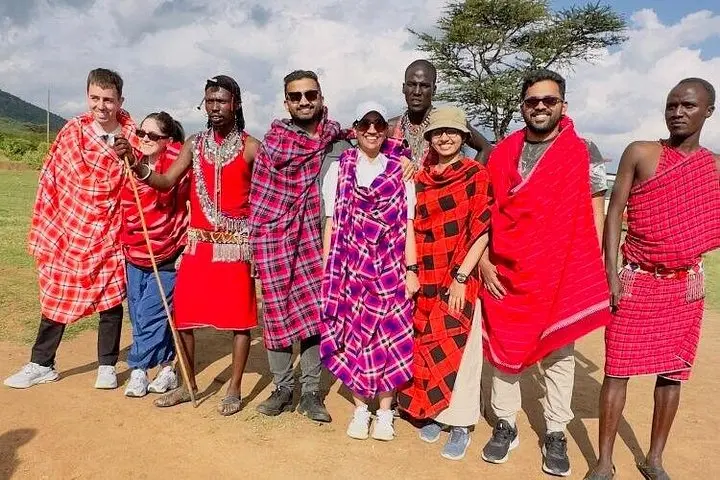
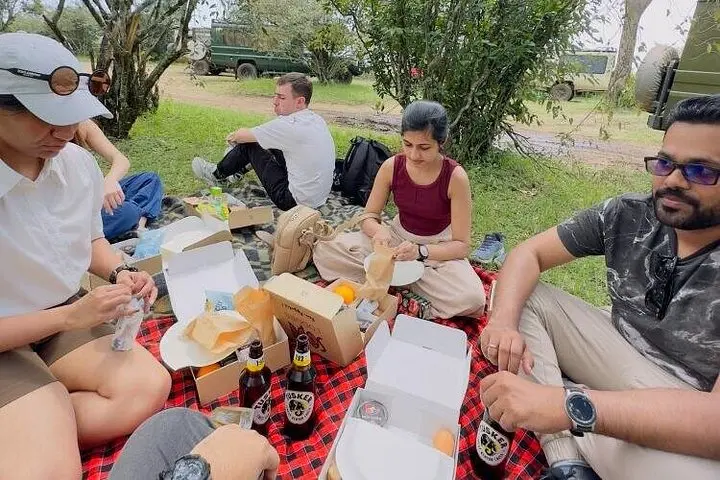
The jeep hums onto the dirt track before dawn and the grasslands go quiet around you. A strip of orange light separates the silhouette of acacia crowns from the sky; a lone topi lifts its head and the guide nudges the engine into a lower gear. Over five days this loop—Nairobi to Masai Mara, on to Lake Nakuru and Lake Naivasha, then back through Hell’s Gate—moves from wide-open savanna into alkaline lakeshores and Rift Valley cliffs, each landscape asking you to look differently.
The jeep hums onto the dirt track before dawn and the grasslands go quiet around you. A strip of orange light separates the silhouette of acacia crowns from the sky; a lone topi lifts its head and the guide nudges the engine into a lower gear. Over five days this loop—Nairobi to Masai Mara, on to Lake Nakuru and Lake Naivasha, then back through Hell’s Gate—moves from wide-open savanna into alkaline lakeshores and Rift Valley cliffs, each landscape asking you to look differently.
Masai Mara is the anchor: rolling plains carved by the Mara River, seasonal crossings where crocodiles and hippos stake territory, and plains that seem to fold into the horizon so wildlife can move unfenced between Kenya and the Serengeti. Nakuru shifts the script—pink bands of flamingos at the lake edge, pockets of acacia and woodland where rhino and Rothschild’s giraffe graze. Naivasha offers a quieter water world—papyrus islands, water birds, and the chance for a footed nature walk on Crescent Island.
This place is not only geology and animals. The Rift Valley itself is a scar of tectonic movement; escarpments like the Great Rift offer the same view colonial explorers once described. The Maasai communities here keep an active role in the landscape—many conservancies are co-managed, and cultural visits give a look at daily life and long-standing pastoral traditions.
Practical notes: the itinerary is driven but paced—long morning transfers broken by short game drives and cultural stops. Expect early starts and late returns after sunset game drives. Park fees, 4x4 transport, accommodations and most meals are included; tipping and optional activities (boat rides, guided walks) are additional. Temperatures vary—mornings can be cool in the highlands and blistering by midday on the plains—so layers are essential. Binoculars, a good telephoto lens and a sun hat will change what you bring home.
Health and safety: this is a low-technical activity but not low-effort—safari days are sedentary but long; short walks in parks may be uneven. Malaria risk exists in some lakeside areas—check current guidance and bring repellant. Respect wildlife distances; the guide enforces rules for your safety and for the animals.
When to go: dry months concentrate wildlife and improve road conditions; the long rains make the landscape lush and green but can complicate travel. For photographers the first and last light are everything—be ready in the vehicle before dawn and plan for golden-hour game drives.
By the last afternoon, back in Nairobi with a lens full of light and a head full of plains, the safari shows itself as several different trips at once: geology, birding, big-game viewing and a short immersion in a living pastoral culture. It’s practical, elemental and designed so you return with both stories and well-ordered logistics.