THE ADVENTURE COLLECTIVE® · Independent discovery and booking for outdoor travel

A five‑day loop from Nairobi through Lake Naivasha and Lake Nakuru to the Masai Mara that pairs luxury lodges with unlimited game drives. Time your trip right and watch the wildebeest migration make its dramatic river crossings.
A five‑day loop from Nairobi through Lake Naivasha and Lake Nakuru to the Masai Mara that pairs luxury lodges with unlimited game drives. Time your trip right and watch the wildebeest migration make its dramatic river crossings.
The first light spills across the Great Rift Valley escarpment and a long line of acacias throws knife‑sharp shadows across the bonnet of the minivan. You feel the engine’s low thrum more than hear it — five days of road, river crossings, flamingo‑lined shores and wide, singed savanna ahead. From Nairobi the drive unspools through changing soils: the volcanic shoulders of the Rift, a freshwater ribbon at Naivasha, then the rose‑tinted shallows of Nakuru, before the plains open into the Masai Mara where the wildebeest migration writes itself across the horizon.
Verified experiences and guided adventures in the surrounding area.
Operated by Direct Kenya Safaris Ltd · Narok, Narok County
The first light spills across the Great Rift Valley escarpment and a long line of acacias throws knife‑sharp shadows across the bonnet of the minivan. You feel the engine’s low thrum more than hear it — five days of road, river crossings, flamingo‑lined shores and wide, singed savanna ahead. From Nairobi the drive unspools through changing soils: the volcanic shoulders of the Rift, a freshwater ribbon at Naivasha, then the rose‑tinted shallows of Nakuru, before the plains open into the Masai Mara where the wildebeest migration writes itself across the horizon.
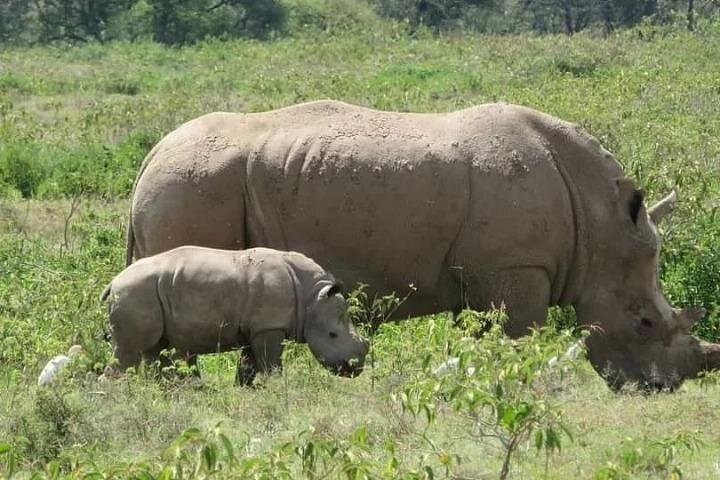
This itinerary threads three ecological chapters of Kenya. Lake Naivasha (≈1,884 m) offers papyrus fringes and boatable coves where hippos idle; Lake Nakuru (≈1,753 m) is an alkaline basin famous for congregations of flamingoes and an important sanctuary for endangered black rhinos. The Masai Mara, sitting around 1,500–1,800 m, is a mosaic of grassland and riverine trees split by the Mara and Talek rivers — ideal terrain for lions, cheetahs and the river crossings that make the migration cinema.
The landscape carries a human story too: Maasai communities have grazed these plains for centuries, reading seasons and water like maps. Colonial hunting concessions gave way to protected reserves, and today conservation efforts — from rhino protection units to community conservancies — shape how tourism operates here.
On safari the practicalities matter as much as the vistas. Game drives run morning and late afternoon to match animal rhythms; expect 3–6 hour stints in a 4x4 Hiace‑style minivan fitted for game viewing. Your operator guarantees a window seat and provides bottled water, radio comms and first aid. Optional extras — a hot air balloon over the Mara at roughly US$475 — add a different rhythm: silent drifting above the herds at sunrise.
Pack for sun and dust: broad‑brim hat, layers for chilly mornings, sturdy shoes for short walks in Hell’s Gate, and a good telephoto lens for river crossings. Healthwise, speak with a travel clinic about malaria prophylaxis and up‑to‑date vaccinations. Respect wildlife distances and follow ranger instructions; the animals set the tempo here.
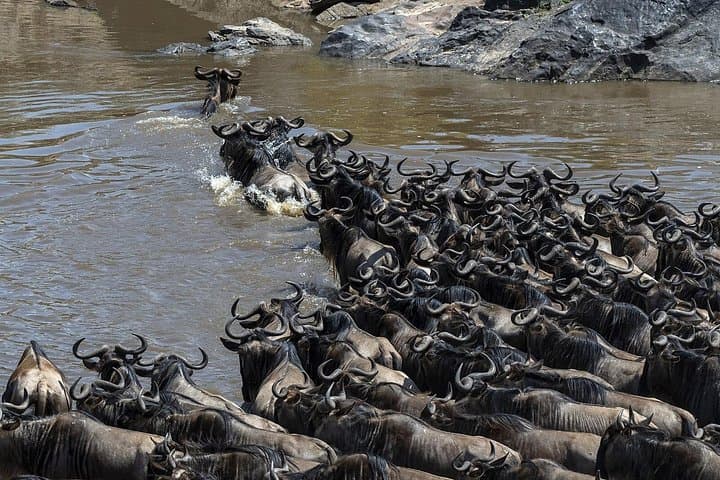
If you time it right — late July to October for the classic migration — you’ll witness thunderous herds negotiating crocodile‑lined currents. But every season has its draw: birdlife and rhino sightings in Nakuru, quiet boat walks at Naivasha, and the chance to learn Maasai culture from local guides. This five‑day loop is not just a checklist; it’s a paced encounter with East Africa’s edges: geological, ecological and human.
Peak river‑crossing action typically occurs between July and October, but migration timing varies yearly with rainfall—late July to September is a reliable window.
Vaccinations (e.g., yellow fever proof if arriving from endemic countries) and malaria prophylaxis are recommended—check with your travel clinic well before departure.
Yes, optional balloon safaris are offered in the Mara (itinerary notes an approximate extra cost of US$475); they must be booked in advance and are weather‑dependent.
Typical morning and afternoon drives run 3–6 hours; your itinerary includes extended drives and an optional early morning or evening game drive on most days.
Yes — the tour accepts singles, couples and groups; private tour arrangements are available and transfers can be arranged from Nairobi airport or hotels.
Tipping is customary for guides and lodge staff; budget around 10–15 USD per day for guides and smaller amounts for lodge housekeeping and drivers.
Direct Kenya Safaris Ltd operates guided outdoor trips and adventures with an emphasis on safety, stewardship, and memorable experiences.

The first light spills across the Great Rift Valley escarpment and a long line of acacias throws knife‑sharp shadows across the bonnet of the minivan. You feel the engine’s low thrum more than hear it — five days of road, river crossings, flamingo‑lined shores and wide, singed savanna ahead. From Nairobi the drive unspools through changing soils: the volcanic shoulders of the Rift, a freshwater ribbon at Naivasha, then the rose‑tinted shallows of Nakuru, before the plains open into the Masai Mara where the wildebeest migration writes itself across the horizon.
The first light spills across the Great Rift Valley escarpment and a long line of acacias throws knife‑sharp shadows across the bonnet of the minivan. You feel the engine’s low thrum more than hear it — five days of road, river crossings, flamingo‑lined shores and wide, singed savanna ahead. From Nairobi the drive unspools through changing soils: the volcanic shoulders of the Rift, a freshwater ribbon at Naivasha, then the rose‑tinted shallows of Nakuru, before the plains open into the Masai Mara where the wildebeest migration writes itself across the horizon.
This itinerary threads three ecological chapters of Kenya. Lake Naivasha (≈1,884 m) offers papyrus fringes and boatable coves where hippos idle; Lake Nakuru (≈1,753 m) is an alkaline basin famous for congregations of flamingoes and an important sanctuary for endangered black rhinos. The Masai Mara, sitting around 1,500–1,800 m, is a mosaic of grassland and riverine trees split by the Mara and Talek rivers — ideal terrain for lions, cheetahs and the river crossings that make the migration cinema.
The landscape carries a human story too: Maasai communities have grazed these plains for centuries, reading seasons and water like maps. Colonial hunting concessions gave way to protected reserves, and today conservation efforts — from rhino protection units to community conservancies — shape how tourism operates here.
On safari the practicalities matter as much as the vistas. Game drives run morning and late afternoon to match animal rhythms; expect 3–6 hour stints in a 4x4 Hiace‑style minivan fitted for game viewing. Your operator guarantees a window seat and provides bottled water, radio comms and first aid. Optional extras — a hot air balloon over the Mara at roughly US$475 — add a different rhythm: silent drifting above the herds at sunrise.
Pack for sun and dust: broad‑brim hat, layers for chilly mornings, sturdy shoes for short walks in Hell’s Gate, and a good telephoto lens for river crossings. Healthwise, speak with a travel clinic about malaria prophylaxis and up‑to‑date vaccinations. Respect wildlife distances and follow ranger instructions; the animals set the tempo here.
If you time it right — late July to October for the classic migration — you’ll witness thunderous herds negotiating crocodile‑lined currents. But every season has its draw: birdlife and rhino sightings in Nakuru, quiet boat walks at Naivasha, and the chance to learn Maasai culture from local guides. This five‑day loop is not just a checklist; it’s a paced encounter with East Africa’s edges: geological, ecological and human.