THE ADVENTURE COLLECTIVE® · Independent discovery and booking for outdoor travel

A five-day midrange safari from Arusha through Tarangire, the Serengeti and Ngorongoro offers concentrated wildlife viewing with comfortable lodge stays. Expect full days of game drives, early mornings and expert guiding that highlights ecology and local culture.
A five-day midrange safari from Arusha through Tarangire, the Serengeti and Ngorongoro offers concentrated wildlife viewing with comfortable lodge stays. Expect full days of game drives, early mornings and expert guiding that highlights ecology and local culture.
You step out of the jeep at first light and the grasslands of the Serengeti are already at work — the horizon pulling a slow ribbon of movement as wildebeest and zebra push toward the day.
Verified experiences and guided adventures in the surrounding area.
Operated by Egreat Safaris · Arusha, Arusha Region
You step out of the jeep at first light and the grasslands of the Serengeti are already at work — the horizon pulling a slow ribbon of movement as wildebeest and zebra push toward the day.
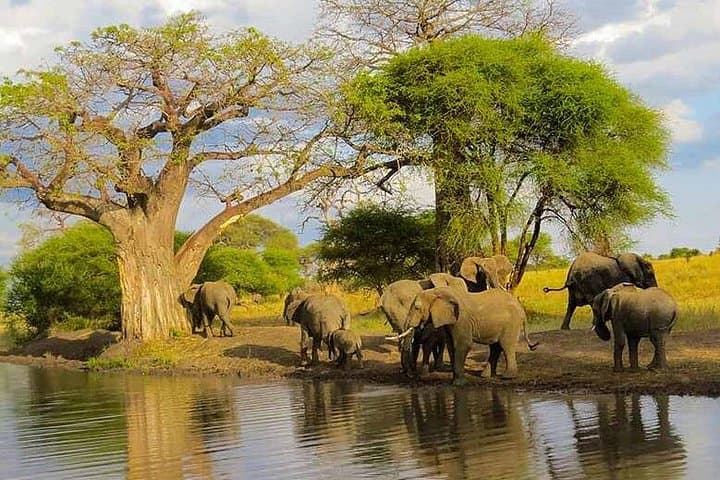
This five-day midrange safari begins and ends in Arusha and stitches together three of northern Tanzania’s most recognizable conservation landscapes: Tarangire’s baobab-sketched plains, the sweeping Serengeti, and the volcanic amphitheater of the Ngorongoro Conservation Area. Geologically, you move from ancient riverine systems and granite outcrops into a mosaic of volcanic highlands and the crater rim that holds a closed ecosystem unique in Africa.
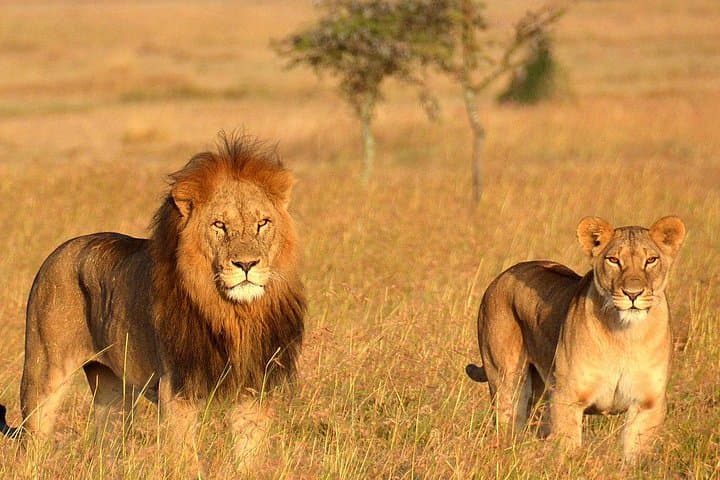
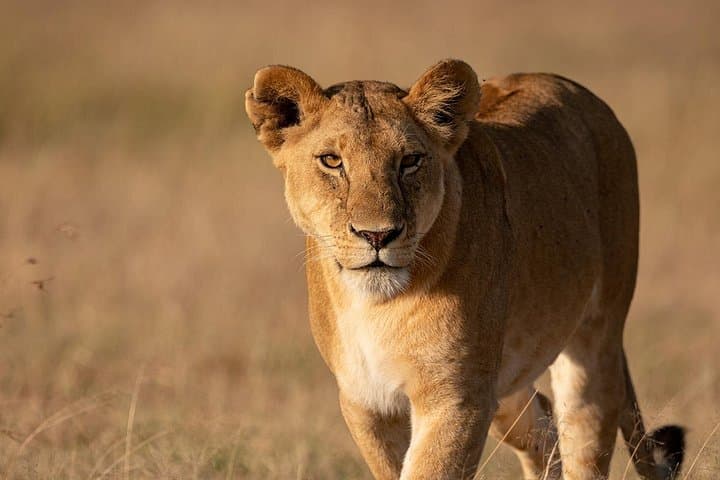
Human history here runs parallel to the wildlife: Maasai pastoralists have grazed these grasslands for generations and their presence and rangeland management shape animal movement patterns. Guides interpret not just species ID but the seasonal rhythms — where elephants concentrate in dry months, where predators follow herds — giving context to each sighting.
Practically, expect early starts and full game drives broken by picnic lunches and lodge check-ins; midrange accommodations balance comfort with a close-to-nature feel. Bring layered clothing for cool mornings, a good pair of binoculars, and a camera with a long lens if wildlife photography matters. Hydration, sun protection, and respect for local guidelines (keep distance from animals, follow guide instructions) make the trip safe and rewarding. Over five days you’ll trade city noise for animal calls, learning the landscape’s cadence and leaving with a clear sense of why Tanzania remains essential safari country.
Check CDC and your physician for current recommendations; routine travel vaccines and malaria prophylaxis are commonly advised for northern Tanzania.
The itinerary is rated easy-to-moderate and can suit children and older travelers able to handle early starts and vehicle-based game drives, but check park rules and lodge age limits.
June–October is drier and excellent for predator sightings and calving/migration concentrations; short rains (Nov–Dec) and long rains (Mar–May) change visibility and road conditions.
Confirm inclusions with the operator — this midrange package typically includes meals and bottled water but park entry fees and some extras (tips, certain drinks) may be additional.
Egreat Safaris operates guided outdoor trips and adventures with an emphasis on safety, stewardship, and memorable experiences.

You step out of the jeep at first light and the grasslands of the Serengeti are already at work — the horizon pulling a slow ribbon of movement as wildebeest and zebra push toward the day.
You step out of the jeep at first light and the grasslands of the Serengeti are already at work — the horizon pulling a slow ribbon of movement as wildebeest and zebra push toward the day.
This five-day midrange safari begins and ends in Arusha and stitches together three of northern Tanzania’s most recognizable conservation landscapes: Tarangire’s baobab-sketched plains, the sweeping Serengeti, and the volcanic amphitheater of the Ngorongoro Conservation Area. Geologically, you move from ancient riverine systems and granite outcrops into a mosaic of volcanic highlands and the crater rim that holds a closed ecosystem unique in Africa.
Human history here runs parallel to the wildlife: Maasai pastoralists have grazed these grasslands for generations and their presence and rangeland management shape animal movement patterns. Guides interpret not just species ID but the seasonal rhythms — where elephants concentrate in dry months, where predators follow herds — giving context to each sighting.
Practically, expect early starts and full game drives broken by picnic lunches and lodge check-ins; midrange accommodations balance comfort with a close-to-nature feel. Bring layered clothing for cool mornings, a good pair of binoculars, and a camera with a long lens if wildlife photography matters. Hydration, sun protection, and respect for local guidelines (keep distance from animals, follow guide instructions) make the trip safe and rewarding. Over five days you’ll trade city noise for animal calls, learning the landscape’s cadence and leaving with a clear sense of why Tanzania remains essential safari country.