THE ADVENTURE COLLECTIVE® · Independent discovery and booking for outdoor travel

Follow wildebeest from Tarangire’s ancient baobabs to the Mara River’s adrenaline-fuelled crossings on a five-day safari that pairs intimate game drives with tented-camp comfort. Expect big herds, crocodile-stalked currents, and a chance to see the Big Five across iconic East African landscapes.
Follow wildebeest from Tarangire’s ancient baobabs to the Mara River’s adrenaline-fuelled crossings on a five-day safari that pairs intimate game drives with tented-camp comfort. Expect big herds, crocodile-stalked currents, and a chance to see the Big Five across iconic East African landscapes.
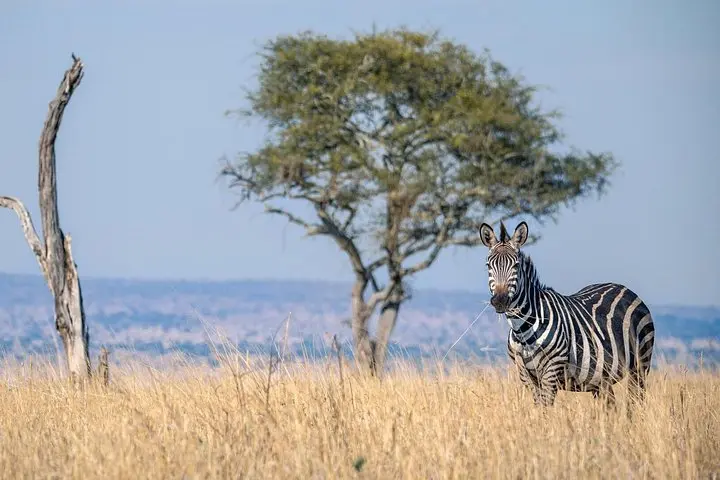
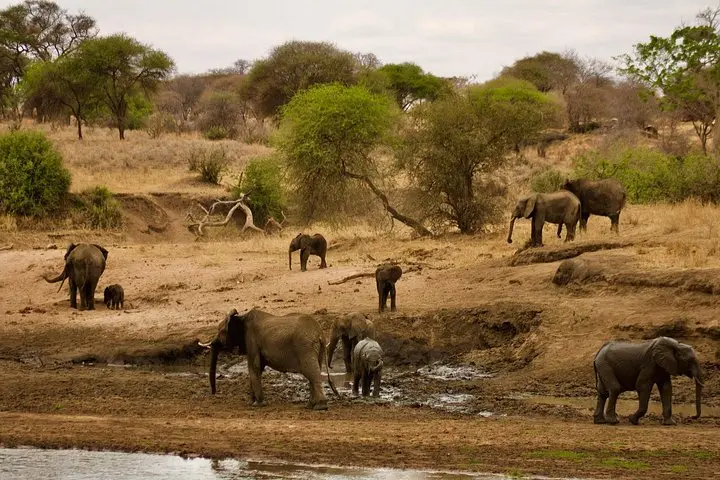
The first light of dawn slices across a baobab silhouette as your 4x4 drops down into Tarangire. Dust rises in slow, lazy swirls and elephants move with an old patience, trunks probing for riverine shade. By midweek the landscape has shifted—open, wind-scoured plains, a ribbon of river that dares thousands to cross. This is a trip measured in animal breaths and river crossings: five days that carry you through Tarangire’s ancient trees, into the high northern plains of the Serengeti, and up to the Mara River where the Great Migration stages its most cinematic moments.
Verified experiences and guided adventures in the surrounding area.
Operated by Herbivore African Expeditions · Arusha, Arusha Region
The first light of dawn slices across a baobab silhouette as your 4x4 drops down into Tarangire. Dust rises in slow, lazy swirls and elephants move with an old patience, trunks probing for riverine shade. By midweek the landscape has shifted—open, wind-scoured plains, a ribbon of river that dares thousands to cross. This is a trip measured in animal breaths and river crossings: five days that carry you through Tarangire’s ancient trees, into the high northern plains of the Serengeti, and up to the Mara River where the Great Migration stages its most cinematic moments.
These parks sit on a geological stage of volcanic highlands and sedimentary floodplains. Tarangire’s baobabs are survivors of a shifting climate and grazing pressure, their swollen trunks a storehouse of water. The Serengeti’s endless plains were formed by uplift and erosion, cut by river channels such as the Mara that carve seasonal lifelines for grazing herds. Culturally, your route threads through Maasai lands and coffee highlands at Karatu, where traditional pastoral life and smallholder agriculture have long adapted to the rhythms of migration and tourism.
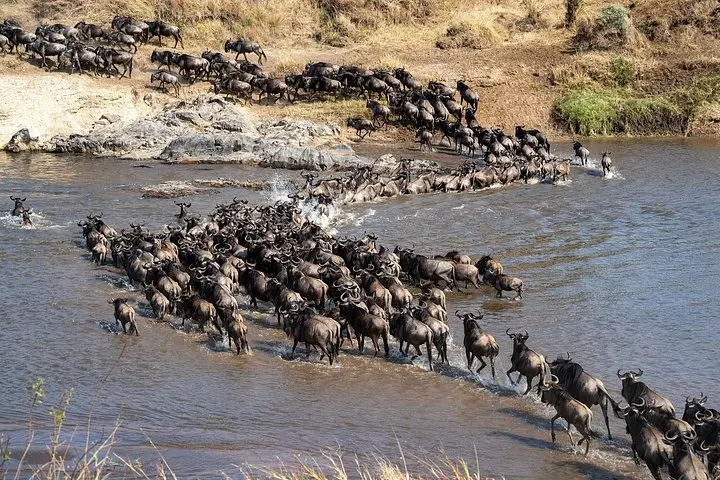
On safari, timing is everything. Guides on this itinerary read animal movement like weather maps, coordinating with other drivers to stake out crossing points. The Mara River crossings are not choreographed—anticipation builds as herds crowd banks, pause, and then surge. Crocodiles lie in patient wait; predators hunt with clinical patience. At Ngorongoro Crater, the world narrows into a fertile bowl where density of species is astonishing and seeing a black rhino is a real possibility.
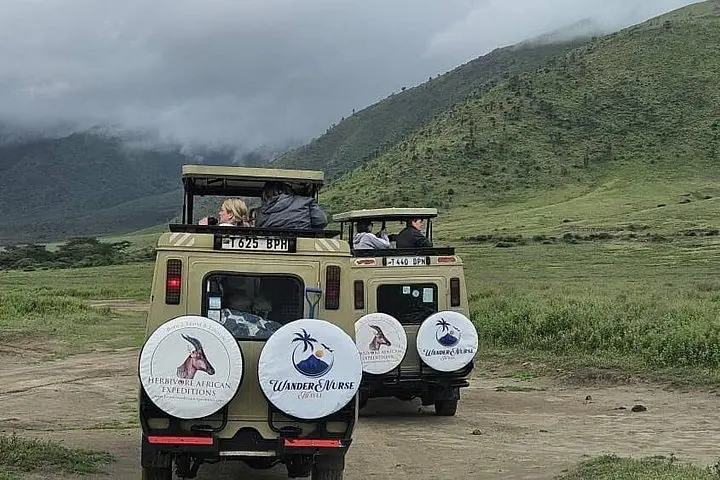
Practical planning is straightforward but important. Travel begins and ends in Arusha with included private transport and park entry permits handled at gates. Expect early starts, dusty roads, and camping or tented-camp comfort in remote sites—pack layers for cool mornings and hot afternoons. Health-wise, malaria prophylaxis, routine vaccinations, and up-to-date passports are required; your guide handles local permits and route logistics so you can focus on sightings.
Bring binoculars, a telephoto lens, and patience—long waits often reward with dramatic action. Respect park rules: no off-road driving, no feeding wildlife, and minimize flash photography around animals. Leave extra battery capacity for captured moments and a small tip buffer for guides and camp staff; tipping is part of safari culture and supports local livelihoods.
By the end of day five, after a morning on the Ngorongoro floor and the climb back to Arusha, you’ll disembark with a clearer sense of East African ecology. The trip teaches a simple lesson: the land moves in cycles far older than our itineraries, and being in the right place at the right time is what turns observation into a story you’ll retell for years.
The main crossing season is typically July to October, during the dry months when herds move north; exact timing shifts yearly with rainfall patterns.
Yes, entrance fees and permits are included and handled at park gates as part of the itinerary.
Yes. The tour accommodates solo travelers, couples, and families, though children’s age policies may vary—confirm at booking.
Most visitors need a visa for Tanzania and should have routine vaccinations plus malaria prophylaxis; check current embassy and health advisories before travel.
Accommodations alternate between comfortable tented mobile camps and small tented lodges, offering hot meals, beds, and basic amenities in remote locations.
Tipping guides and camp staff is customary; budget around 10–15 USD per guest per day for guides and smaller amounts for camp staff, adjusted to service quality.
Herbivore African Expeditions operates guided outdoor trips and adventures with an emphasis on safety, stewardship, and memorable experiences.
The first light of dawn slices across a baobab silhouette as your 4x4 drops down into Tarangire. Dust rises in slow, lazy swirls and elephants move with an old patience, trunks probing for riverine shade. By midweek the landscape has shifted—open, wind-scoured plains, a ribbon of river that dares thousands to cross. This is a trip measured in animal breaths and river crossings: five days that carry you through Tarangire’s ancient trees, into the high northern plains of the Serengeti, and up to the Mara River where the Great Migration stages its most cinematic moments.
The first light of dawn slices across a baobab silhouette as your 4x4 drops down into Tarangire. Dust rises in slow, lazy swirls and elephants move with an old patience, trunks probing for riverine shade. By midweek the landscape has shifted—open, wind-scoured plains, a ribbon of river that dares thousands to cross. This is a trip measured in animal breaths and river crossings: five days that carry you through Tarangire’s ancient trees, into the high northern plains of the Serengeti, and up to the Mara River where the Great Migration stages its most cinematic moments.
These parks sit on a geological stage of volcanic highlands and sedimentary floodplains. Tarangire’s baobabs are survivors of a shifting climate and grazing pressure, their swollen trunks a storehouse of water. The Serengeti’s endless plains were formed by uplift and erosion, cut by river channels such as the Mara that carve seasonal lifelines for grazing herds. Culturally, your route threads through Maasai lands and coffee highlands at Karatu, where traditional pastoral life and smallholder agriculture have long adapted to the rhythms of migration and tourism.
On safari, timing is everything. Guides on this itinerary read animal movement like weather maps, coordinating with other drivers to stake out crossing points. The Mara River crossings are not choreographed—anticipation builds as herds crowd banks, pause, and then surge. Crocodiles lie in patient wait; predators hunt with clinical patience. At Ngorongoro Crater, the world narrows into a fertile bowl where density of species is astonishing and seeing a black rhino is a real possibility.
Practical planning is straightforward but important. Travel begins and ends in Arusha with included private transport and park entry permits handled at gates. Expect early starts, dusty roads, and camping or tented-camp comfort in remote sites—pack layers for cool mornings and hot afternoons. Health-wise, malaria prophylaxis, routine vaccinations, and up-to-date passports are required; your guide handles local permits and route logistics so you can focus on sightings.
Bring binoculars, a telephoto lens, and patience—long waits often reward with dramatic action. Respect park rules: no off-road driving, no feeding wildlife, and minimize flash photography around animals. Leave extra battery capacity for captured moments and a small tip buffer for guides and camp staff; tipping is part of safari culture and supports local livelihoods.
By the end of day five, after a morning on the Ngorongoro floor and the climb back to Arusha, you’ll disembark with a clearer sense of East African ecology. The trip teaches a simple lesson: the land moves in cycles far older than our itineraries, and being in the right place at the right time is what turns observation into a story you’ll retell for years.