THE ADVENTURE COLLECTIVE® · Independent discovery and booking for outdoor travel

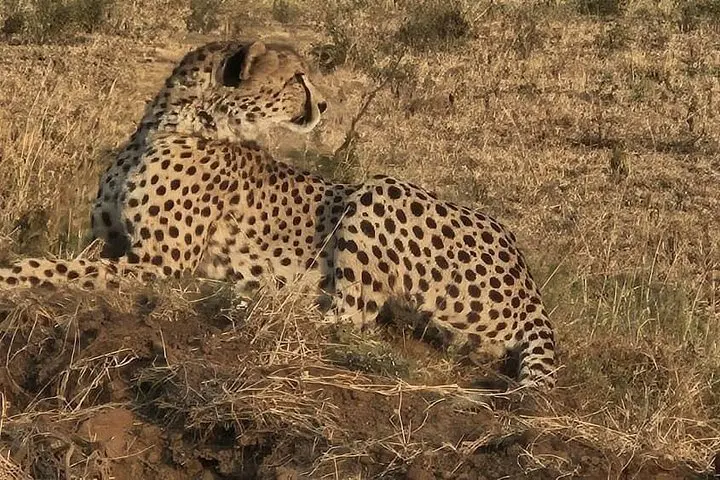
A five-day safari that follows the Great Migration into the Northern Serengeti, offering front-row views of Mara River crossings, big-cat action in Seronera, and a finale in Ngorongoro Crater. Ideal for wildlife photographers and first-time safari travelers.
A five-day safari that follows the Great Migration into the Northern Serengeti, offering front-row views of Mara River crossings, big-cat action in Seronera, and a finale in Ngorongoro Crater. Ideal for wildlife photographers and first-time safari travelers.
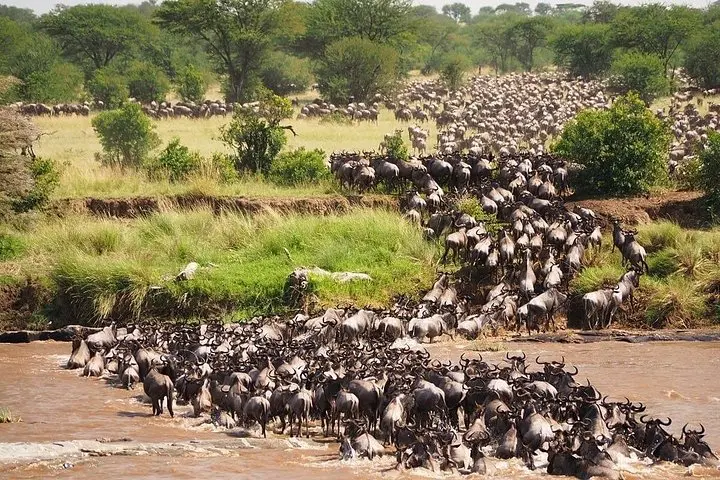
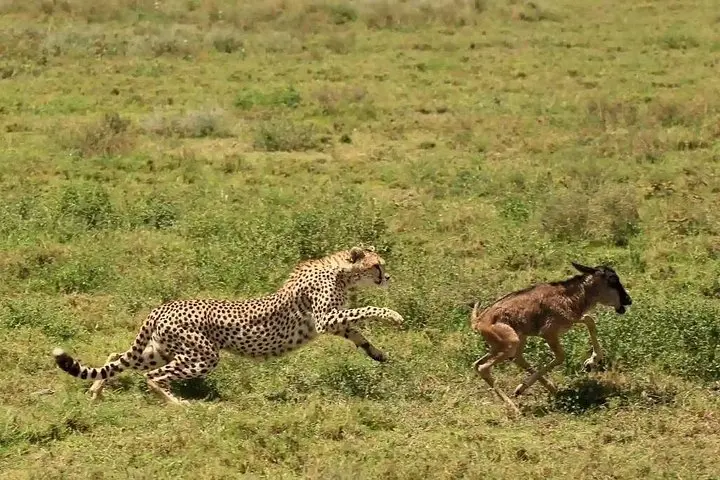
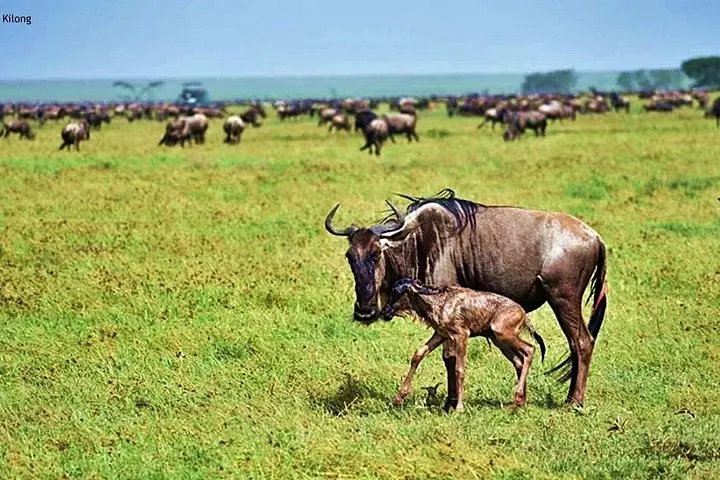
Dawn breaks on a sea of grass—cool air, grazing wildebeest and the low rumble of thousands on the move. You’re in the northern Serengeti, parked on a dusty riverbank as guides scan the far slope for a swelling mass of hooves. The Mara River dares the herds to cross; crocodiles and lions read the same script of hunger and timing.
Verified experiences and guided adventures in the surrounding area.
Operated by Herbivore African Expeditions · Arusha, Arusha Region
Dawn breaks on a sea of grass—cool air, grazing wildebeest and the low rumble of thousands on the move. You’re in the northern Serengeti, parked on a dusty riverbank as guides scan the far slope for a swelling mass of hooves. The Mara River dares the herds to cross; crocodiles and lions read the same script of hunger and timing.
This five-day itinerary threads the Great Rift Valley, Lake Manyara’s groundwater forest and the Ngorongoro Crater before staging long game drives in the Northern Serengeti where the Great Migration funnels toward the Mara River (peak river crossings: July–October). Geologically the Ngorongoro is an immense volcanic caldera formed millions of years ago; culturally the Maasai have grazed these highlands for centuries, and park fees help fund conservation and community projects.
Expect mixed terrain—open grassy plains, kopjes (rock outcrops) and riparian corridors—accessible by 4x4 vehicles with raised roofs for viewing. Daily drives vary from short transfers to full-day outings of 6–10 hours including waits for crossings; early starts are standard. Accommodations move from comfortable permanent lodges to mobile tented camps positioned for migration viewing; pack for dusty conditions and cool crater mornings.
Practical tips: bring binoculars and a 200–400mm lens for photography, layer for big temperature swings, and follow your guide’s position rules—keeping distance protects both you and wildlife. With patience and good timing, this safari delivers some of Africa’s most primal wildlife encounters.
The peak for Mara River crossings is typically July through October during the dry season, when herds move north and congregate at riverbanks.
This itinerary lists entrance fees and most meals (breakfasts, lunches, dinners) as included—confirm specifics with the operator before booking.
Travelers should check current Tanzanian entry and health requirements; yellow fever vaccination may be required for some arrivals and routine travel vaccines are recommended.
Guides use local networks to track the migration; you should expect close-range sightings at river crossings when herds gather, plus high predator density in Seronera and Ngorongoro.
Herbivore African Expeditions operates guided outdoor trips and adventures with an emphasis on safety, stewardship, and memorable experiences.
Dawn breaks on a sea of grass—cool air, grazing wildebeest and the low rumble of thousands on the move. You’re in the northern Serengeti, parked on a dusty riverbank as guides scan the far slope for a swelling mass of hooves. The Mara River dares the herds to cross; crocodiles and lions read the same script of hunger and timing.
Dawn breaks on a sea of grass—cool air, grazing wildebeest and the low rumble of thousands on the move. You’re in the northern Serengeti, parked on a dusty riverbank as guides scan the far slope for a swelling mass of hooves. The Mara River dares the herds to cross; crocodiles and lions read the same script of hunger and timing.
This five-day itinerary threads the Great Rift Valley, Lake Manyara’s groundwater forest and the Ngorongoro Crater before staging long game drives in the Northern Serengeti where the Great Migration funnels toward the Mara River (peak river crossings: July–October). Geologically the Ngorongoro is an immense volcanic caldera formed millions of years ago; culturally the Maasai have grazed these highlands for centuries, and park fees help fund conservation and community projects.
Expect mixed terrain—open grassy plains, kopjes (rock outcrops) and riparian corridors—accessible by 4x4 vehicles with raised roofs for viewing. Daily drives vary from short transfers to full-day outings of 6–10 hours including waits for crossings; early starts are standard. Accommodations move from comfortable permanent lodges to mobile tented camps positioned for migration viewing; pack for dusty conditions and cool crater mornings.
Practical tips: bring binoculars and a 200–400mm lens for photography, layer for big temperature swings, and follow your guide’s position rules—keeping distance protects both you and wildlife. With patience and good timing, this safari delivers some of Africa’s most primal wildlife encounters.