THE ADVENTURE COLLECTIVE® · Independent discovery and booking for outdoor travel

A five-day circuit from Chișinău through Moldova, Transnistria and into Romania that pairs world-class underground cellars and UNESCO monasteries with Soviet-era streetscapes. Expect guided cultural walks, cellar tastings, and short drives between rural viewpoints and historic centers.
A five-day circuit from Chișinău through Moldova, Transnistria and into Romania that pairs world-class underground cellars and UNESCO monasteries with Soviet-era streetscapes. Expect guided cultural walks, cellar tastings, and short drives between rural viewpoints and historic centers.
You step from an air-conditioned minivan onto Stefan cel Mare Boulevard and the city exhales—broad avenues, park benches warmed by the sun, and the distant hum of market stalls. Over five days the route bends from Chișinău's civic squares into the cool, lamp-lit galleries of Mileștii Mici, then climbs to cliff-side cave monasteries at Orheiul Vechi before tracing the cultural streets of Iași and the blocky, Soviet skyline of Tiraspol.
Verified experiences and guided adventures in the surrounding area.
Operated by Moldovatovisit&tours · Chisinau, Chișinău Municipality
You step from an air-conditioned minivan onto Stefan cel Mare Boulevard and the city exhales—broad avenues, park benches warmed by the sun, and the distant hum of market stalls. Over five days the route bends from Chișinău's civic squares into the cool, lamp-lit galleries of Mileștii Mici, then climbs to cliff-side cave monasteries at Orheiul Vechi before tracing the cultural streets of Iași and the blocky, Soviet skyline of Tiraspol.
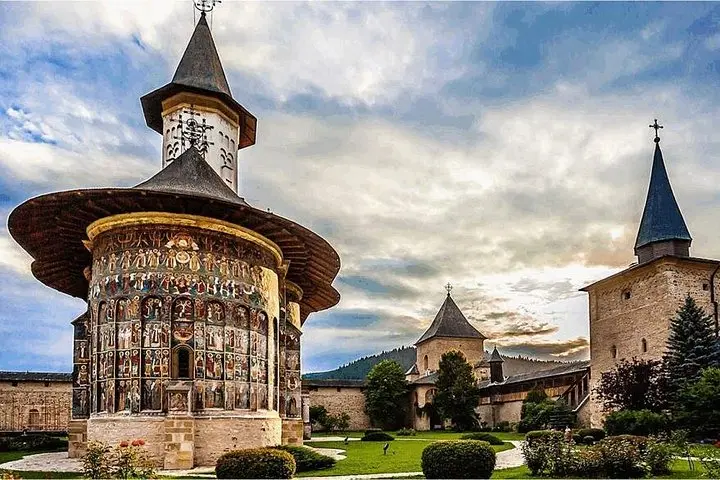
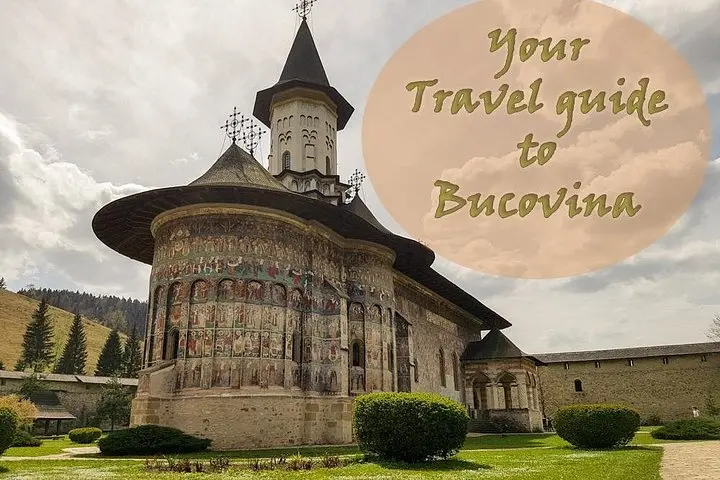
This loop stitches together layers of history: medieval Moldavian monasteries and painted churches of Bucovina listed by UNESCO, the deep limestone and loess cliffs that shelter Orheiul Vechi’s cave hermitages, and the 20th‑century imprint left by Soviet institutions in Transnistria—Kvint distillery among them. Vineyards and underground cellars tell a vinicultural story that predates Soviet centralization, while Iași’s academies and gardens reflect centuries of Romanian cultural life.
Practicalities shape the trip as much as scenery. Carry a valid passport (border formalities vary, especially entering Transnistria), bring local currency and some euros, and wear sturdy shoes for uneven village paths and cellar floors. Dress smart-casual for tastings and monastery visits; layers handle sudden spring or autumn rain. Expect guided commentary in multiple languages, hotel transfers by minivan, buffet lunches and several tastings—this is a travel rhythm of driving, short hikes around heritage sites, and seated tastings.
Plan for afternoon light at Orheiul Vechi for the best photos, reserve any special winery tastings in advance, and respect religious sites by avoiding loud clothing or behavior. The route rewards travelers who want history, rural landscapes, and the tactile pleasures of wine and wood-fired village food.
Transnistria is a de‑facto region with its own procedures; most travelers enter from Moldova and should carry a passport—check visa requirements for Moldova and any transit rules that may apply to your nationality.
The tour lists wheelchair-accessible transportation but some historic sites and cave monasteries have uneven steps and rough paths; contact the operator ahead to confirm accessibility for specific stops.
Wine tastings are included at several stops; participants must be of legal drinking age (18+ in Moldova) and the operator will verify IDs when required.
Tiraspol welcomes tourists to museums and Kvint tours; however, it is an unrecognized territory with different administrative rules—follow guide instructions, carry ID, and avoid political demonstrations.
Moldovatovisit&tours operates guided outdoor trips and adventures with an emphasis on safety, stewardship, and memorable experiences.

You step from an air-conditioned minivan onto Stefan cel Mare Boulevard and the city exhales—broad avenues, park benches warmed by the sun, and the distant hum of market stalls. Over five days the route bends from Chișinău's civic squares into the cool, lamp-lit galleries of Mileștii Mici, then climbs to cliff-side cave monasteries at Orheiul Vechi before tracing the cultural streets of Iași and the blocky, Soviet skyline of Tiraspol.
You step from an air-conditioned minivan onto Stefan cel Mare Boulevard and the city exhales—broad avenues, park benches warmed by the sun, and the distant hum of market stalls. Over five days the route bends from Chișinău's civic squares into the cool, lamp-lit galleries of Mileștii Mici, then climbs to cliff-side cave monasteries at Orheiul Vechi before tracing the cultural streets of Iași and the blocky, Soviet skyline of Tiraspol.
This loop stitches together layers of history: medieval Moldavian monasteries and painted churches of Bucovina listed by UNESCO, the deep limestone and loess cliffs that shelter Orheiul Vechi’s cave hermitages, and the 20th‑century imprint left by Soviet institutions in Transnistria—Kvint distillery among them. Vineyards and underground cellars tell a vinicultural story that predates Soviet centralization, while Iași’s academies and gardens reflect centuries of Romanian cultural life.
Practicalities shape the trip as much as scenery. Carry a valid passport (border formalities vary, especially entering Transnistria), bring local currency and some euros, and wear sturdy shoes for uneven village paths and cellar floors. Dress smart-casual for tastings and monastery visits; layers handle sudden spring or autumn rain. Expect guided commentary in multiple languages, hotel transfers by minivan, buffet lunches and several tastings—this is a travel rhythm of driving, short hikes around heritage sites, and seated tastings.
Plan for afternoon light at Orheiul Vechi for the best photos, reserve any special winery tastings in advance, and respect religious sites by avoiding loud clothing or behavior. The route rewards travelers who want history, rural landscapes, and the tactile pleasures of wine and wood-fired village food.