THE ADVENTURE COLLECTIVE® · Independent discovery and booking for outdoor travel

Five days from Marrakech take you over the High Atlas to Ait Ben Haddou, through the Draa Valley and into Merzouga’s dunes. Expect long drives, short canyon hikes, a camel ride and an authentic bivouac under the stars.
Five days from Marrakech take you over the High Atlas to Ait Ben Haddou, through the Draa Valley and into Merzouga’s dunes. Expect long drives, short canyon hikes, a camel ride and an authentic bivouac under the stars.
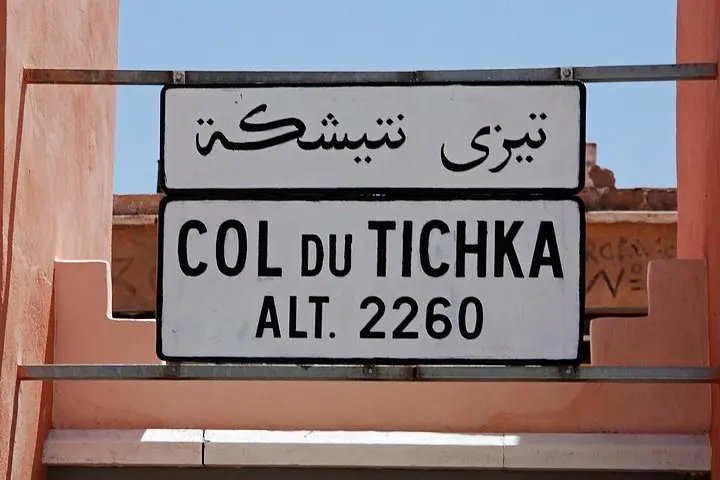
At dawn the road out of Marrakech unspools under a low sun, ochre kasbahs sliding past as the High Atlas draws near. The air sharpens, the highway climbing to the Tizi n'Tichka pass (about 2,260 m) where colors flip between burned earth and sudden green valley.
Verified experiences and guided adventures in the surrounding area.
Operated by CLICK EXCURSIONS · Marrakech, Marrakech-Safi
At dawn the road out of Marrakech unspools under a low sun, ochre kasbahs sliding past as the High Atlas draws near. The air sharpens, the highway climbing to the Tizi n'Tichka pass (about 2,260 m) where colors flip between burned earth and sudden green valley.
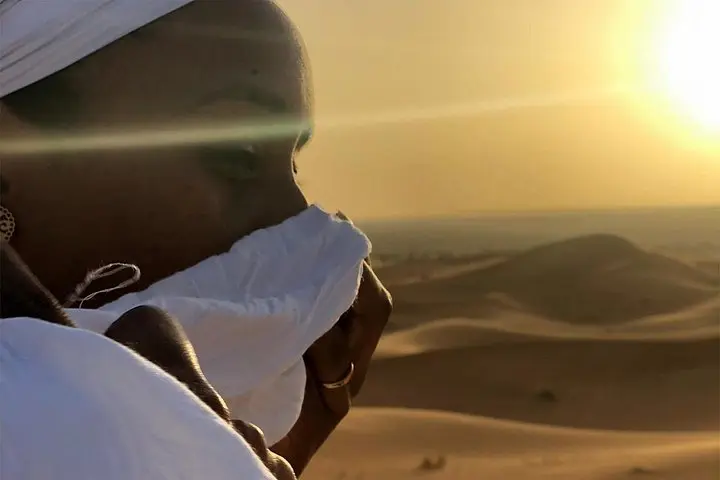
By the second day the Sahara begins to press its rules: sand, silence and the long geometry of dunes around Merzouga. You’ll cross film-friendly Ait Ben Haddou, a UNESCO kasbah of mud-brick towers, and thread the Draa Valley with its palm-lined riverbeds and fortified villages.
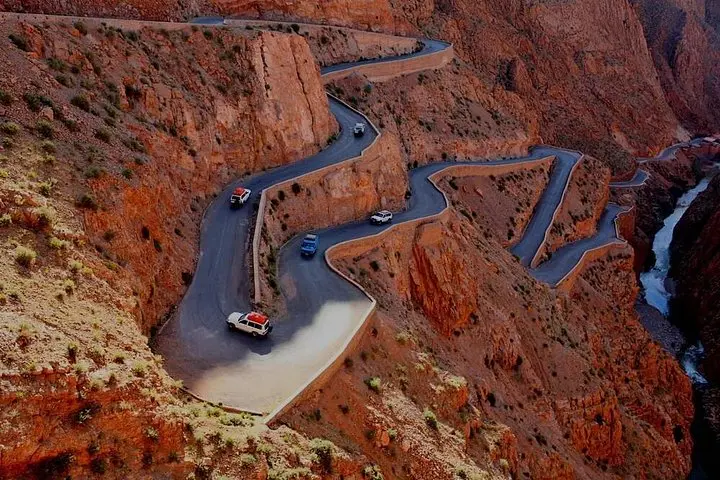
Geology here is assertive—folded High Atlas ranges give way to erosion-sculpted gorges like Todra, where vertical limestone walls create corridors that funnel light and wind. Culture is equally layered: Amazigh (Berber) communities, caravan-era trade routes and kasbah architecture are visible in marketplaces, riads and roadside tea stops.
Practicalities matter on a five‑day circuit. Expect long drives between stops and one or two strenuous lulls at altitude; pack layered clothing for hot days and cool mountain nights. Bring comfortable hiking shoes for brief canyon walks and sturdy sandals for tents and camps. A daypack, 2–3 liters of water per day, sun protection and cash for small villages are essential.
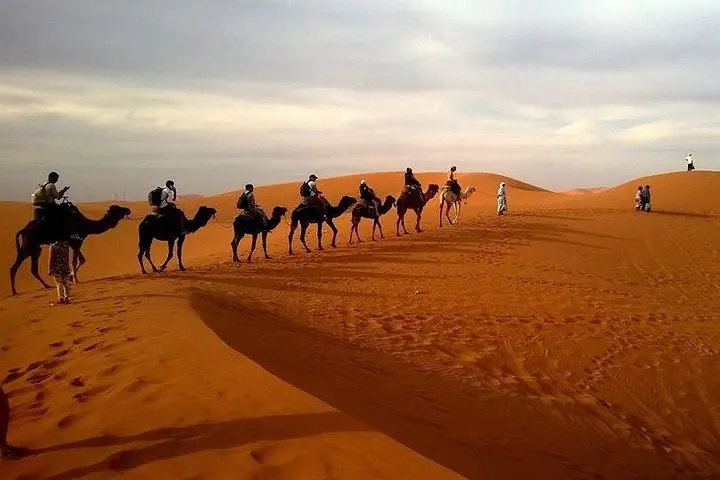
The itinerary includes a guided camel ride and a night in a desert bivouac beneath a broad sky where stars feel close enough to touch. Travel slowly here: the landscape rewards attention—listen for wind-swept sand, watch the light on kasbah clay, and plan departures early to avoid midday heat and enjoy.
Expect several hours of driving most days as you cross the High Atlas and traverse the Draa Valley to Merzouga; stops break the journey into manageable segments.
Desert bivouacs provide mattresses and blankets; nights can be cold so bring warm layers and a sleeping liner if you’re sensitive to temperature.
Camel rides are gentle but require mounting assistance; contact the operator ahead of time to discuss accommodations and alternative options.
Travel insurance is recommended for medical evacuation and delays; routine vaccinations are usually sufficient—check current travel health advice for Morocco.
CLICK EXCURSIONS operates guided outdoor trips and adventures with an emphasis on safety, stewardship, and memorable experiences.
At dawn the road out of Marrakech unspools under a low sun, ochre kasbahs sliding past as the High Atlas draws near. The air sharpens, the highway climbing to the Tizi n'Tichka pass (about 2,260 m) where colors flip between burned earth and sudden green valley.
At dawn the road out of Marrakech unspools under a low sun, ochre kasbahs sliding past as the High Atlas draws near. The air sharpens, the highway climbing to the Tizi n'Tichka pass (about 2,260 m) where colors flip between burned earth and sudden green valley.
By the second day the Sahara begins to press its rules: sand, silence and the long geometry of dunes around Merzouga. You’ll cross film-friendly Ait Ben Haddou, a UNESCO kasbah of mud-brick towers, and thread the Draa Valley with its palm-lined riverbeds and fortified villages.
Geology here is assertive—folded High Atlas ranges give way to erosion-sculpted gorges like Todra, where vertical limestone walls create corridors that funnel light and wind. Culture is equally layered: Amazigh (Berber) communities, caravan-era trade routes and kasbah architecture are visible in marketplaces, riads and roadside tea stops.
Practicalities matter on a five‑day circuit. Expect long drives between stops and one or two strenuous lulls at altitude; pack layered clothing for hot days and cool mountain nights. Bring comfortable hiking shoes for brief canyon walks and sturdy sandals for tents and camps. A daypack, 2–3 liters of water per day, sun protection and cash for small villages are essential.
The itinerary includes a guided camel ride and a night in a desert bivouac beneath a broad sky where stars feel close enough to touch. Travel slowly here: the landscape rewards attention—listen for wind-swept sand, watch the light on kasbah clay, and plan departures early to avoid midday heat and enjoy.