THE ADVENTURE COLLECTIVE® · Independent discovery and booking for outdoor travel

A 5-day, multi-day climb on Mount Kenya’s Sirimon Route that trades forest for moorland and a pre-dawn push to Point Lenana. Expect long days, big altitude swings and classic high-elevation trekking with established camps.
A 5-day, multi-day climb on Mount Kenya’s Sirimon Route that trades forest for moorland and a pre-dawn push to Point Lenana. Expect long days, big altitude swings and classic high-elevation trekking with established camps.
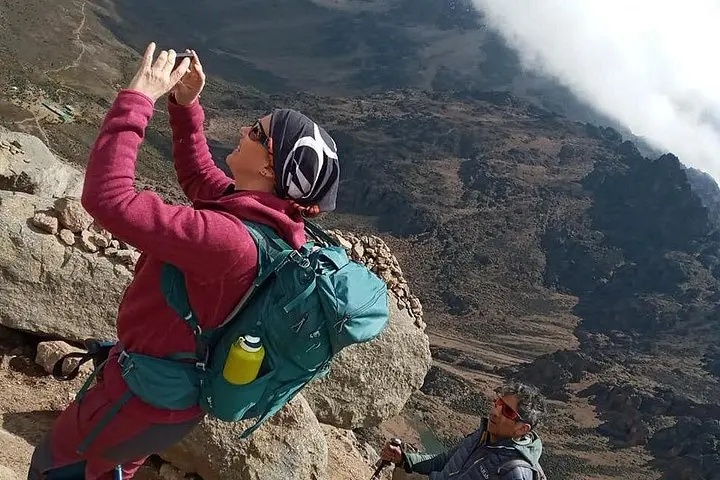
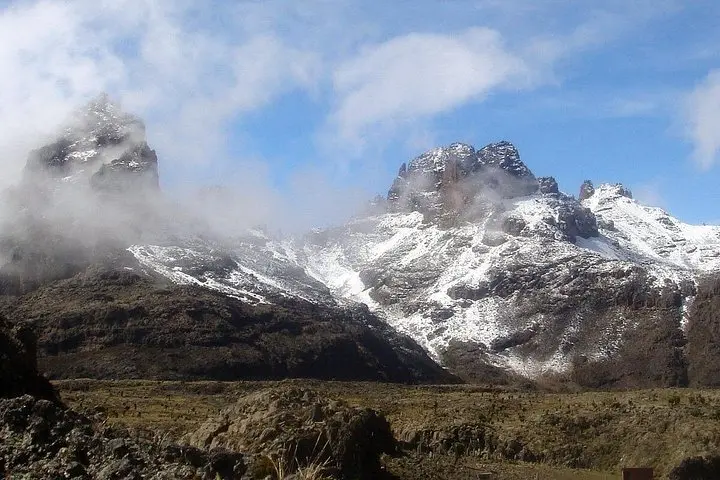
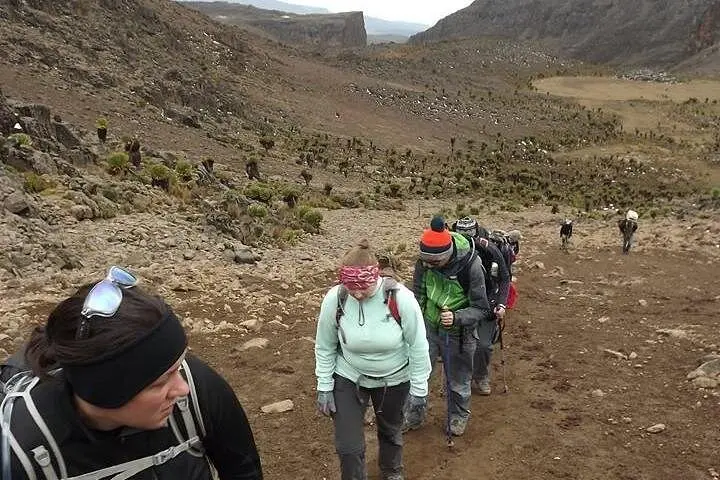
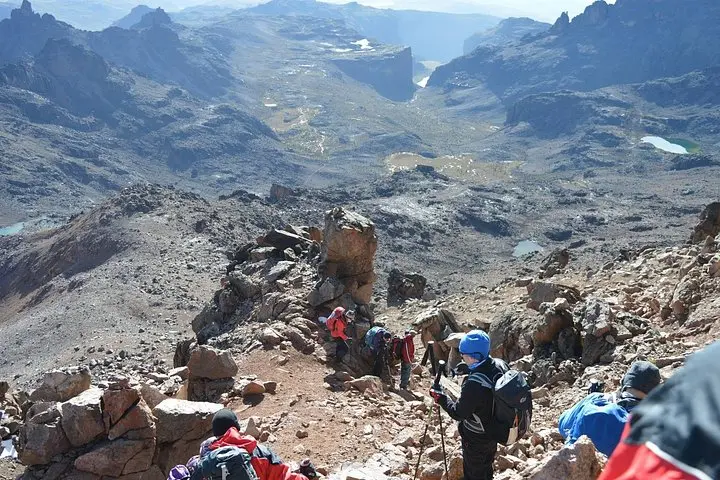
Headlamps thread the ridge before dawn as a small group pulls away from Shipton Camp toward Point Lenana. The Sirimon Route climbs the drier northwest flank of Mount Kenya, trading dense montane forest for moorland and a final stony approach that reveals the glacier-scraped peaks above.
Verified experiences and guided adventures in the surrounding area.
Operated by Shagami Kenya Tours and Safaris · Nanyuki, Laikipia County
Headlamps thread the ridge before dawn as a small group pulls away from Shipton Camp toward Point Lenana. The Sirimon Route climbs the drier northwest flank of Mount Kenya, trading dense montane forest for moorland and a final stony approach that reveals the glacier-scraped peaks above.
Geology and history shape every step: Mount Kenya is an extinct stratovolcano uplifted in the Plio-Pleistocene, its highest towers — Batian and Nelion — are horn-like granite spires. The Sirimon approach, historically used by colonial surveyors, passes through forest at ~2440 m, heath and moorland, and alpine tussock before reaching camps clustered between 3300–4200 m. Local Kikuyu and Meru communities around Nanyuki and Chogoria still maintain guiding and hospitality traditions for climbers.
Practical guidance is straightforward. The standard itinerary is five days: Sirimon Gate → Judmaier/Old Moses (≈9 km, +860 m) on day 1; up to Shipton Camp (≈17 km, +900 m) on day 2; an acclimatization day with short walks; a pre-dawn 6 km push to Point Lenana (4,985 m) then a long descent to Mount Meru Bandas and out via Chogoria on day 5 (total summit day up to 11–12 hours). Expect rocky trails, steep scree on the summit approach, and large temperature swings—hot sun below tree line and sub-freezing wind above 4,000 m.
Bring layered clothing, traverse early on summit day, monitor for AMS, and arrange park permits and a certified guide. Treated water, meals, transfers from Nairobi, and a summit certificate are commonly included on organized climbs—pack smart and give yourself time to acclimatize to enjoy the views and the mountain’s raw granite presence.
Yes—climbing requires park entry fees and a climbing permit through Mount Kenya National Park; organized trips typically arrange permits for you.
Sirimon is one of the more gradual approaches and drier routes, good for acclimatization, but the summit day is still long and steep—expect challenging altitude gain.
No—Point Lenana is a trekking summit and does not require technical rock-climbing skills, though Batian and Nelion are technical peaks.
The clearest windows are the dry seasons—January–February and June–September—when trails are less muddy and visibility is better.
Shagami Kenya Tours and Safaris operates guided outdoor trips and adventures with an emphasis on safety, stewardship, and memorable experiences.
Headlamps thread the ridge before dawn as a small group pulls away from Shipton Camp toward Point Lenana. The Sirimon Route climbs the drier northwest flank of Mount Kenya, trading dense montane forest for moorland and a final stony approach that reveals the glacier-scraped peaks above.
Headlamps thread the ridge before dawn as a small group pulls away from Shipton Camp toward Point Lenana. The Sirimon Route climbs the drier northwest flank of Mount Kenya, trading dense montane forest for moorland and a final stony approach that reveals the glacier-scraped peaks above.
Geology and history shape every step: Mount Kenya is an extinct stratovolcano uplifted in the Plio-Pleistocene, its highest towers — Batian and Nelion — are horn-like granite spires. The Sirimon approach, historically used by colonial surveyors, passes through forest at ~2440 m, heath and moorland, and alpine tussock before reaching camps clustered between 3300–4200 m. Local Kikuyu and Meru communities around Nanyuki and Chogoria still maintain guiding and hospitality traditions for climbers.
Practical guidance is straightforward. The standard itinerary is five days: Sirimon Gate → Judmaier/Old Moses (≈9 km, +860 m) on day 1; up to Shipton Camp (≈17 km, +900 m) on day 2; an acclimatization day with short walks; a pre-dawn 6 km push to Point Lenana (4,985 m) then a long descent to Mount Meru Bandas and out via Chogoria on day 5 (total summit day up to 11–12 hours). Expect rocky trails, steep scree on the summit approach, and large temperature swings—hot sun below tree line and sub-freezing wind above 4,000 m.
Bring layered clothing, traverse early on summit day, monitor for AMS, and arrange park permits and a certified guide. Treated water, meals, transfers from Nairobi, and a summit certificate are commonly included on organized climbs—pack smart and give yourself time to acclimatize to enjoy the views and the mountain’s raw granite presence.