THE ADVENTURE COLLECTIVE® · Independent discovery and booking for outdoor travel

Five days on the Marangu Route takes you from forested lower slopes to Uhuru Peak’s crater rim. This practical guide explains what to expect day-by-day, why acclimatization matters, and the gear that improves summit odds.
Five days on the Marangu Route takes you from forested lower slopes to Uhuru Peak’s crater rim. This practical guide explains what to expect day-by-day, why acclimatization matters, and the gear that improves summit odds.
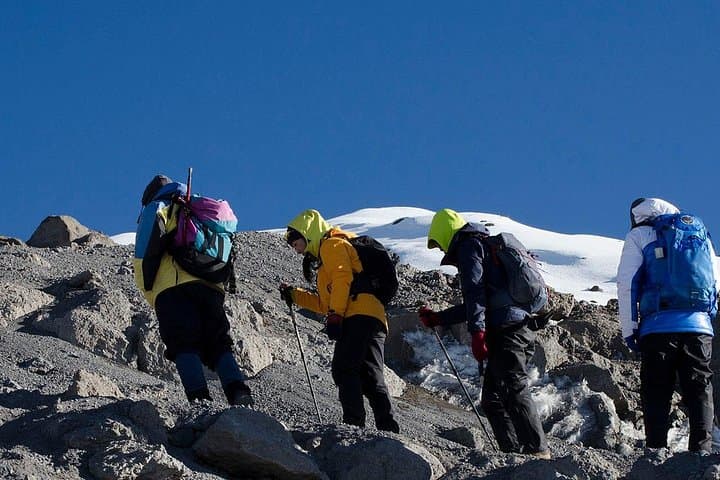
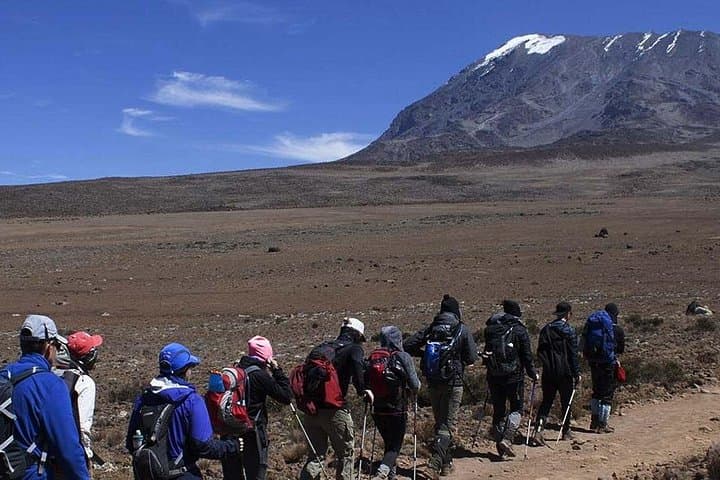
A thin crescent of headlamps winds up through moss-coated forest as the mountain exhales cool, damp air — this is the opening scene of a Marangu Route ascent. Over five days hikers move from village roadways through montane forest, across moorland studded with giant lobelia, into the stony alpine desert, and finally to the crater rim where Uhuru Peak sits 5,895 m above sea level.
Verified experiences and guided adventures in the surrounding area.
Operated by MORAKA AFRICA SAFARIS · Moshi, Kilimanjaro Region
A thin crescent of headlamps winds up through moss-coated forest as the mountain exhales cool, damp air — this is the opening scene of a Marangu Route ascent. Over five days hikers move from village roadways through montane forest, across moorland studded with giant lobelia, into the stony alpine desert, and finally to the crater rim where Uhuru Peak sits 5,895 m above sea level.
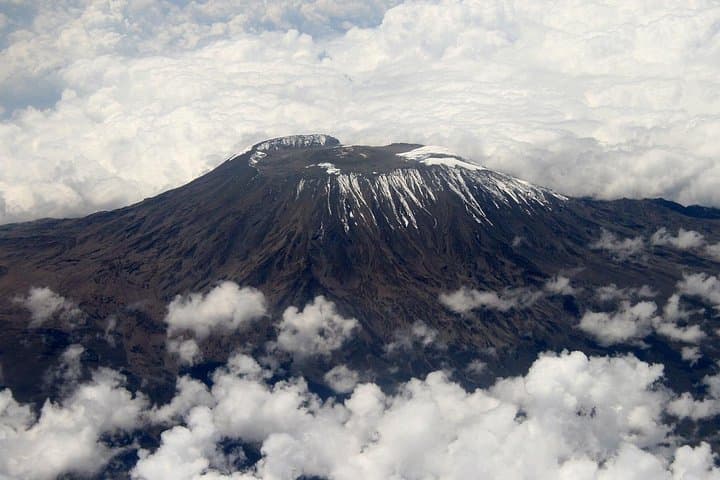
The Marangu Route is one of Kilimanjaro’s oldest established tracks, favored historically for its broad path and wooden A-frame huts at Mandara and Horombo. Geologically the massif is a stratovolcano with three volcanic cones — Kibo, Mawenzi and Shira — and the climb reveals the shift from volcanic soils and dense forest to skeletal rock and high-alpine plants adapted to intense daily freeze–thaw cycles. Culturally, guides and porters from Chagga communities provide route knowledge and logistics, and nearby villages offer a window into coffee and banana agriculture that surrounds Moshi.
Practically, expect 5 days of progressive altitude gain, daily hikes of 4–8 hours, hut sleeping on bunks, and a summit push that typically starts around midnight. Weather can swing quickly; daytime sun can be warm while nights plunge below freezing. Hydrate often, layer for wind and cold, and allow your pace to prioritize breathing over speed. Using porters reduces pack weight and improves summit odds. The route is non-technical but demands respect for altitude; acclimatization, pacing, and a reliable guide are the essentials for reaching Uhuru Peak and returning safely.
The route is non-technical but challenging due to rapid altitude gain; physical fitness and paced acclimatization are critical.
This itinerary states park fees and three meals per day are included—confirm with the operator at booking for final details.
Dry months June–October and January–February are most reliable for summit weather, though climbs occur year-round with more rain in March–May and November–December.
Children and those with serious cardiovascular or spinal issues are not recommended; discuss health conditions with your guide and doctor beforehand.
MORAKA AFRICA SAFARIS operates guided outdoor trips and adventures with an emphasis on safety, stewardship, and memorable experiences.
A thin crescent of headlamps winds up through moss-coated forest as the mountain exhales cool, damp air — this is the opening scene of a Marangu Route ascent. Over five days hikers move from village roadways through montane forest, across moorland studded with giant lobelia, into the stony alpine desert, and finally to the crater rim where Uhuru Peak sits 5,895 m above sea level.
A thin crescent of headlamps winds up through moss-coated forest as the mountain exhales cool, damp air — this is the opening scene of a Marangu Route ascent. Over five days hikers move from village roadways through montane forest, across moorland studded with giant lobelia, into the stony alpine desert, and finally to the crater rim where Uhuru Peak sits 5,895 m above sea level.
The Marangu Route is one of Kilimanjaro’s oldest established tracks, favored historically for its broad path and wooden A-frame huts at Mandara and Horombo. Geologically the massif is a stratovolcano with three volcanic cones — Kibo, Mawenzi and Shira — and the climb reveals the shift from volcanic soils and dense forest to skeletal rock and high-alpine plants adapted to intense daily freeze–thaw cycles. Culturally, guides and porters from Chagga communities provide route knowledge and logistics, and nearby villages offer a window into coffee and banana agriculture that surrounds Moshi.
Practically, expect 5 days of progressive altitude gain, daily hikes of 4–8 hours, hut sleeping on bunks, and a summit push that typically starts around midnight. Weather can swing quickly; daytime sun can be warm while nights plunge below freezing. Hydrate often, layer for wind and cold, and allow your pace to prioritize breathing over speed. Using porters reduces pack weight and improves summit odds. The route is non-technical but demands respect for altitude; acclimatization, pacing, and a reliable guide are the essentials for reaching Uhuru Peak and returning safely.