THE ADVENTURE COLLECTIVE® · Independent discovery and booking for outdoor travel

A brisk five-day circuit from Marrakech that combines a summit attempt on Jebel Toubkal (4,165 m) with a night under the Erg Chebbi dunes. Expect long drives, varied terrain, and a mix of mountain refuge and desert camp accommodations.
A brisk five-day circuit from Marrakech that combines a summit attempt on Jebel Toubkal (4,165 m) with a night under the Erg Chebbi dunes. Expect long drives, varied terrain, and a mix of mountain refuge and desert camp accommodations.
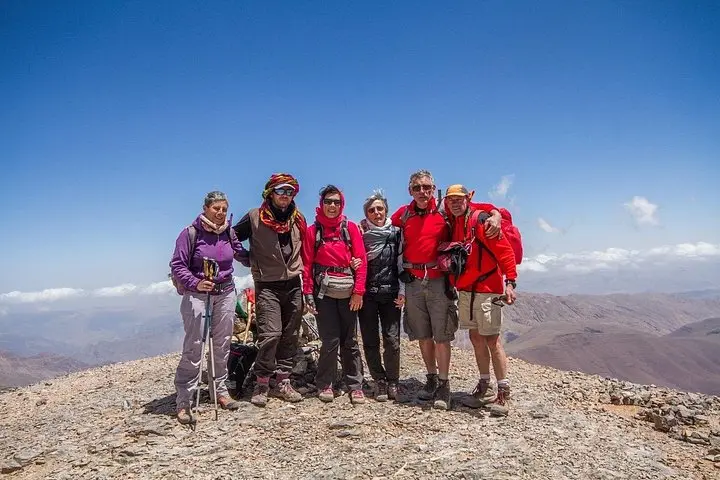
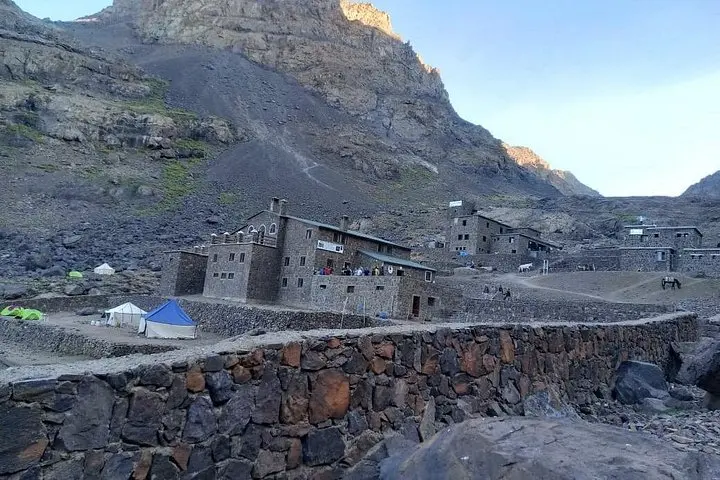
At first light the road out of Marrakech peels into ochre and olive hills, and the Atlas Mountains push up like a folded map. On day one walkers trade riad courtyards for mule tracks, rising through Aremd and the Mizane Valley toward the Toubkal refuge. The mountain feels alive — wind shaping the ridges, rock daring you to keep moving — and the summit at 4,165 m crowns the range with clear views of Morocco and beyond.
Verified experiences and guided adventures in the surrounding area.
Operated by Biking in Morocco day tours · Marrakech, Marrakech-Safi
At first light the road out of Marrakech peels into ochre and olive hills, and the Atlas Mountains push up like a folded map. On day one walkers trade riad courtyards for mule tracks, rising through Aremd and the Mizane Valley toward the Toubkal refuge. The mountain feels alive — wind shaping the ridges, rock daring you to keep moving — and the summit at 4,165 m crowns the range with clear views of Morocco and beyond.
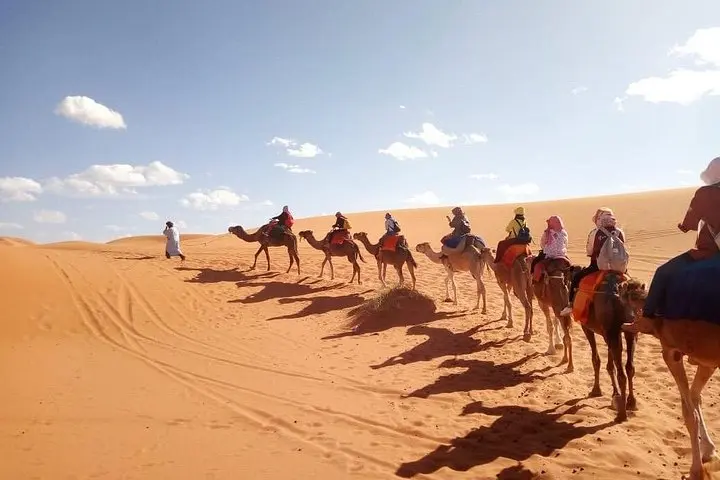
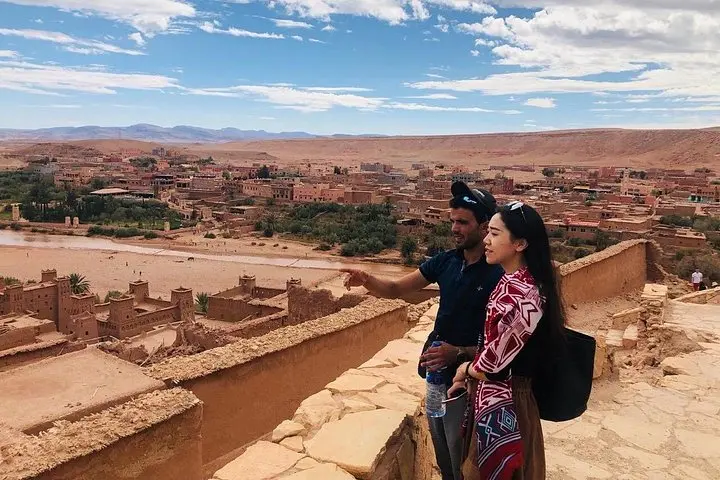
This itinerary pairs geology and culture: the High Atlas are young mountains born of African–Eurasian collision, cut by steep river valleys and dotted with Berber villages where terraced fields and stone houses speak of centuries of adaptation. After the summit push the route folds into the south — the Tizi n’Tichka pass, the Dades and Todra gorges, then the wide, rippling Erg Chebbi where dunes rise and fall like slow waves.
Practically, this is a compact, demanding five-day loop: long drives (some days up to 8–10 hours), two nights in the mountains (one in a refuge), and a desert camp night with a camel transfer. Expect altitude and variable weather on Toubkal — mornings can be icy above 3,000 m — and extreme heat in the Sahara by day with cold nights.
Bring sturdy boots, layered insulation, sun protection and reusable water bottles; pace the summit day, eat and hydrate deliberately, and rely on local guides for safe route-finding and cultural insight. The contrast between stony peaks and sand dunes is immediate and rewarding — a compact Moroccan introduction for experienced trekkers ready for long days and big scenery.
The summit day is long and steep (roughly 1,200–1,400 m ascent from refuge); expect 8–10 hours round trip at altitude—good pace and pre-trip fitness are crucial.
Typical inclusions are transfers from Marrakech, guide services, accommodation as listed (mountain refuge, desert camp), most meals, 4x4 transport for desert transfers, and mules for luggage on mountain approaches.
Experienced hikers with strong fitness can manage it; complete beginners should consider a longer acclimatization schedule or a multi-day Toubkal ascent to reduce risk.
Desert nights can drop to near freezing in winter and fall, and be cool (5–15°C) in spring and summer—bring warm layers and a suitable sleeping bag.
Biking in Morocco day tours operates guided outdoor trips and adventures with an emphasis on safety, stewardship, and memorable experiences.
At first light the road out of Marrakech peels into ochre and olive hills, and the Atlas Mountains push up like a folded map. On day one walkers trade riad courtyards for mule tracks, rising through Aremd and the Mizane Valley toward the Toubkal refuge. The mountain feels alive — wind shaping the ridges, rock daring you to keep moving — and the summit at 4,165 m crowns the range with clear views of Morocco and beyond.
At first light the road out of Marrakech peels into ochre and olive hills, and the Atlas Mountains push up like a folded map. On day one walkers trade riad courtyards for mule tracks, rising through Aremd and the Mizane Valley toward the Toubkal refuge. The mountain feels alive — wind shaping the ridges, rock daring you to keep moving — and the summit at 4,165 m crowns the range with clear views of Morocco and beyond.
This itinerary pairs geology and culture: the High Atlas are young mountains born of African–Eurasian collision, cut by steep river valleys and dotted with Berber villages where terraced fields and stone houses speak of centuries of adaptation. After the summit push the route folds into the south — the Tizi n’Tichka pass, the Dades and Todra gorges, then the wide, rippling Erg Chebbi where dunes rise and fall like slow waves.
Practically, this is a compact, demanding five-day loop: long drives (some days up to 8–10 hours), two nights in the mountains (one in a refuge), and a desert camp night with a camel transfer. Expect altitude and variable weather on Toubkal — mornings can be icy above 3,000 m — and extreme heat in the Sahara by day with cold nights.
Bring sturdy boots, layered insulation, sun protection and reusable water bottles; pace the summit day, eat and hydrate deliberately, and rely on local guides for safe route-finding and cultural insight. The contrast between stony peaks and sand dunes is immediate and rewarding — a compact Moroccan introduction for experienced trekkers ready for long days and big scenery.