THE ADVENTURE COLLECTIVE® · Independent discovery and booking for outdoor travel

Glide the Nile on a five-day cruise linking Luxor and Aswan with Abu Simbel and a sunrise hot air balloon over Luxor. This trip pairs shore excursions to major temple sites with relaxed river travel and local cultural encounters.
Glide the Nile on a five-day cruise linking Luxor and Aswan with Abu Simbel and a sunrise hot air balloon over Luxor. This trip pairs shore excursions to major temple sites with relaxed river travel and local cultural encounters.
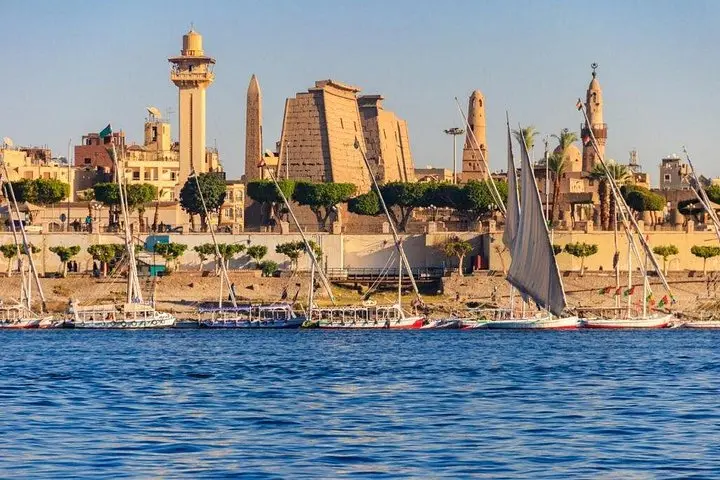
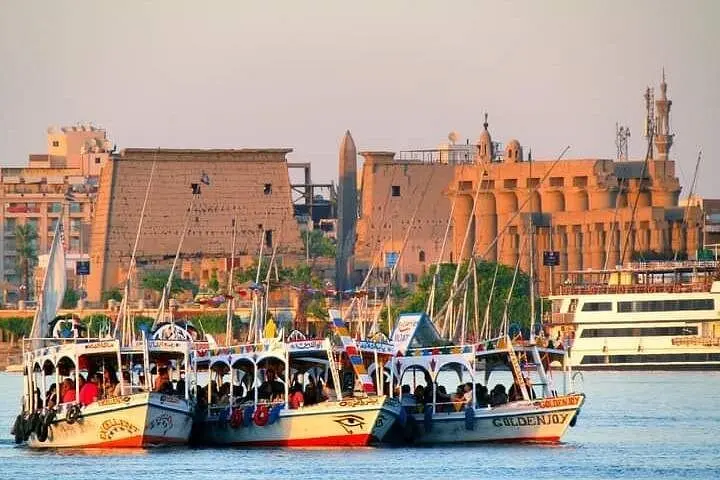
Dawn on the Nile feels like slow motion: the river loosens its reflection and the cruise boat slides forward, palm fronds lifting a breeze that dares you to wake up and watch history pass. Over five days, a 5-star Nile cruise becomes a moving basecamp—mornings spent in temple courtyards, afternoons at ease on deck as the boat threads between green riverbanks and ochre desert.
Verified experiences and guided adventures in the surrounding area.
Operated by Egypt Travel Line · Luxor, Luxor Governorate
Dawn on the Nile feels like slow motion: the river loosens its reflection and the cruise boat slides forward, palm fronds lifting a breeze that dares you to wake up and watch history pass. Over five days, a 5-star Nile cruise becomes a moving basecamp—mornings spent in temple courtyards, afternoons at ease on deck as the boat threads between green riverbanks and ochre desert.
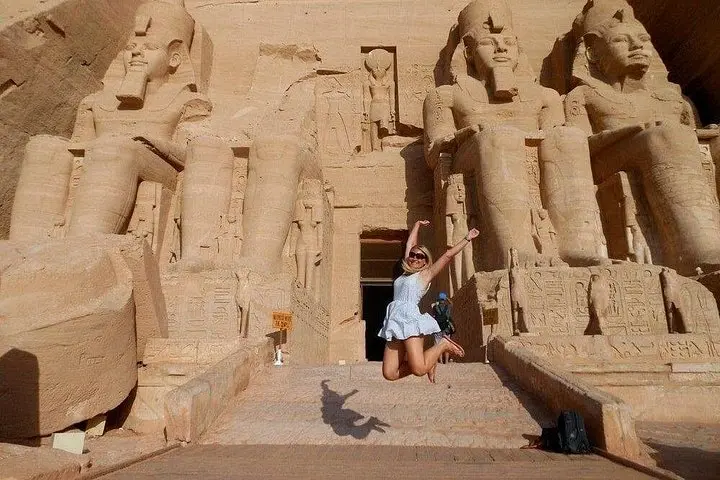
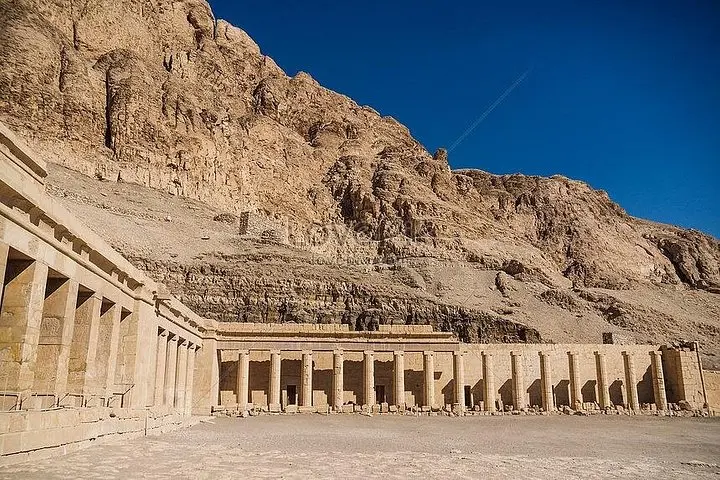
The itinerary stitches together two millennia of pharaonic power: the Valley of the Kings’ rock-cut tombs, Hatshepsut’s terraced mortuary temple, Karnak’s hypostyle forest of columns, Kom Ombo’s double sanctuary, and the monumental faces of Abu Simbel—relocated rock by rock during the Aswan High Dam project in the 1960s. Geology here is stark: the Nile’s alluvial ribbon carves a living corridor through hard limestone and wind-polished sandstone.
Culture is immediate—Egyptology guides translate iconography into human stories; Nubian villages near Aswan offer color and local crafts. Practicalities matter: mid-May to September brings intense heat; early mornings and late afternoons are prime for walking and photography. Expect uneven temple ramps, short staircases, and crowded ticketed sites; the hot air balloon over Luxor launches before sunrise and rewards patience with a low, hushed skyline.
Bring sun protection, comfortable walking shoes, and a reusable water bottle; plan pockets of recovery time on board. Timing, hydration, and respectful behavior inside sacred spaces make the difference between a checklist trip and a quietly unforgettable passage down the river that built a civilization.
Most visitors require a visa; check your country’s entry requirements and obtain a visa in advance or upon arrival where available.
Some guided visits include admissions but many sites require separate tickets—confirm with the operator which sites are covered before you go.
The balloon ride itself is low-impact but requires standing during launch and landing; passengers should be able to stand for 30–60 minutes.
Abu Simbel usually requires an early morning transfer and a half-day; expect a long but highly rewarding day with significant travel time from Aswan.
Egypt Travel Line operates guided outdoor trips and adventures with an emphasis on safety, stewardship, and memorable experiences.
Dawn on the Nile feels like slow motion: the river loosens its reflection and the cruise boat slides forward, palm fronds lifting a breeze that dares you to wake up and watch history pass. Over five days, a 5-star Nile cruise becomes a moving basecamp—mornings spent in temple courtyards, afternoons at ease on deck as the boat threads between green riverbanks and ochre desert.
Dawn on the Nile feels like slow motion: the river loosens its reflection and the cruise boat slides forward, palm fronds lifting a breeze that dares you to wake up and watch history pass. Over five days, a 5-star Nile cruise becomes a moving basecamp—mornings spent in temple courtyards, afternoons at ease on deck as the boat threads between green riverbanks and ochre desert.
The itinerary stitches together two millennia of pharaonic power: the Valley of the Kings’ rock-cut tombs, Hatshepsut’s terraced mortuary temple, Karnak’s hypostyle forest of columns, Kom Ombo’s double sanctuary, and the monumental faces of Abu Simbel—relocated rock by rock during the Aswan High Dam project in the 1960s. Geology here is stark: the Nile’s alluvial ribbon carves a living corridor through hard limestone and wind-polished sandstone.
Culture is immediate—Egyptology guides translate iconography into human stories; Nubian villages near Aswan offer color and local crafts. Practicalities matter: mid-May to September brings intense heat; early mornings and late afternoons are prime for walking and photography. Expect uneven temple ramps, short staircases, and crowded ticketed sites; the hot air balloon over Luxor launches before sunrise and rewards patience with a low, hushed skyline.
Bring sun protection, comfortable walking shoes, and a reusable water bottle; plan pockets of recovery time on board. Timing, hydration, and respectful behavior inside sacred spaces make the difference between a checklist trip and a quietly unforgettable passage down the river that built a civilization.