THE ADVENTURE COLLECTIVE® · Independent discovery and booking for outdoor travel

Glide the Nile from Luxor to Aswan on a five-day cruise that pairs sunrise balloon flights with guided tours of Karnak, the Valley of the Kings and Abu Simbel. This trip blends river travel, archaeology and local culture into a compact, easy-to-follow itinerary.
Glide the Nile from Luxor to Aswan on a five-day cruise that pairs sunrise balloon flights with guided tours of Karnak, the Valley of the Kings and Abu Simbel. This trip blends river travel, archaeology and local culture into a compact, easy-to-follow itinerary.
Dawn over the Nile often arrives with a hush: the cruise moored at Luxor coughs up steam as the sky lightens and a fleet of hot-air balloons slices gold across the horizon. Guests step from an early flight out of Cairo onto teak deck, the river’s slow current nudging the ship south toward temples that have stared at the same water for millennia.
Verified experiences and guided adventures in the surrounding area.
Operated by Book Your Tours · Luxor, Luxor Governorate
Dawn over the Nile often arrives with a hush: the cruise moored at Luxor coughs up steam as the sky lightens and a fleet of hot-air balloons slices gold across the horizon. Guests step from an early flight out of Cairo onto teak deck, the river’s slow current nudging the ship south toward temples that have stared at the same water for millennia.
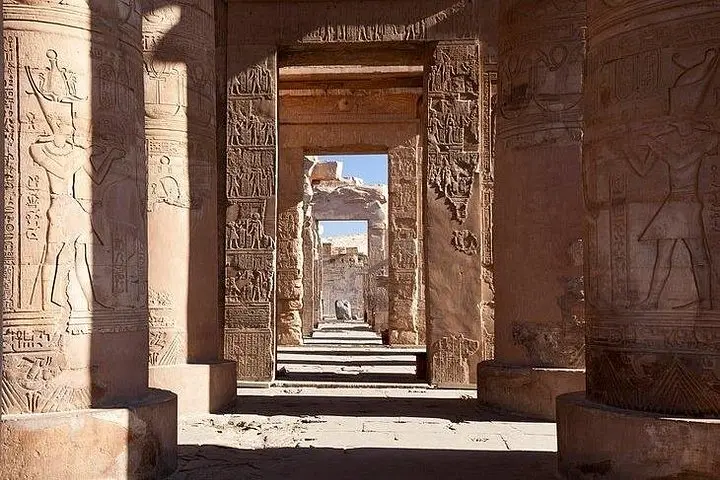
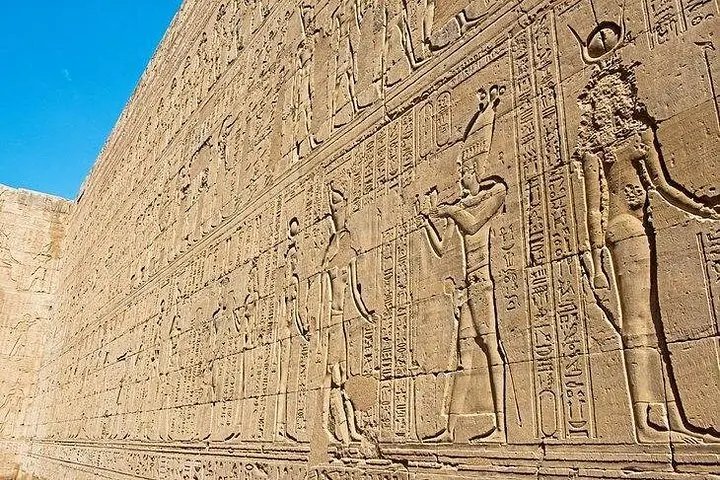
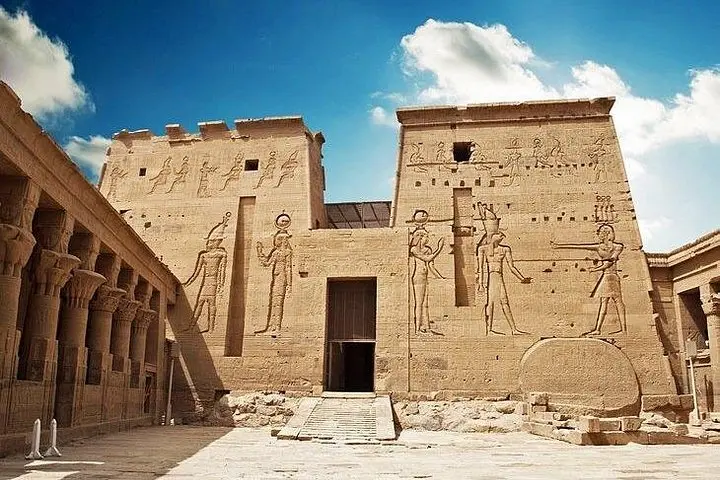
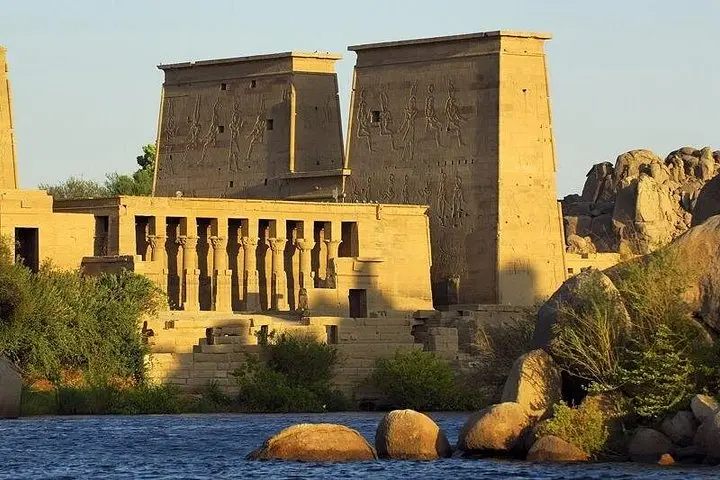
This route traces Egypt’s pharaonic spine — Luxor’s Karnak and the Valley of the Kings on the east and west banks; the compact, well-preserved Temple of Edfu; Kom Ombo’s dual shrines; the monumental faces of Abu Simbel. Geologically, the Nile’s floodplain carved a fertile corridor through desert bedrock, concentrating human settlement and monumental architecture along a narrow ribbon of life. Culturally, local Nubian communities, riverine craftworkers and modern Aswan’s markets add contemporary texture to sites that were once royal precincts.
Expect guided temple walks led by Egyptologists, early starts for cooler light, and shore excursions from the ship each day. The hot-air balloon flight offers sunrise geometry — columns, avenues and the river outlined beneath — while the Abu Simbel visit is a long but manageable day, often done by road or short internal transfer. Practical notes: bring a brimmed hat and high-SPF sunscreen, comfortable walking shoes with good soles for uneven stone, and a refillable water bottle. Carry layered clothing for cool mornings and hot afternoons, and keep cameras ready but hands off carved reliefs. With basic fitness for walking and stairs, the cruise is accessible and richly rewarding for anyone keen to see Egypt by river.
Yes — the package typically includes 4 nights aboard a 5‑star Nile cruise with full board (breakfast, lunch, dinner) as listed in the itinerary.
Operators run flights subject to weather; passengers should be comfortable with gentle boarding and brief standing periods — pregnant travelers or those with serious mobility issues should check with the operator first.
Abu Simbel is usually an early-evening or pre-dawn start with a long transit; plan for a full-day outing when factoring fatigue and travel time back to the ship.
Many cruise ships and terminals offer accessibility features, and some sites provide limited access; notify the operator of mobility needs so they can arrange appropriate transfers and assistance.
Book Your Tours operates guided outdoor trips and adventures with an emphasis on safety, stewardship, and memorable experiences.
Dawn over the Nile often arrives with a hush: the cruise moored at Luxor coughs up steam as the sky lightens and a fleet of hot-air balloons slices gold across the horizon. Guests step from an early flight out of Cairo onto teak deck, the river’s slow current nudging the ship south toward temples that have stared at the same water for millennia.
Dawn over the Nile often arrives with a hush: the cruise moored at Luxor coughs up steam as the sky lightens and a fleet of hot-air balloons slices gold across the horizon. Guests step from an early flight out of Cairo onto teak deck, the river’s slow current nudging the ship south toward temples that have stared at the same water for millennia.
This route traces Egypt’s pharaonic spine — Luxor’s Karnak and the Valley of the Kings on the east and west banks; the compact, well-preserved Temple of Edfu; Kom Ombo’s dual shrines; the monumental faces of Abu Simbel. Geologically, the Nile’s floodplain carved a fertile corridor through desert bedrock, concentrating human settlement and monumental architecture along a narrow ribbon of life. Culturally, local Nubian communities, riverine craftworkers and modern Aswan’s markets add contemporary texture to sites that were once royal precincts.
Expect guided temple walks led by Egyptologists, early starts for cooler light, and shore excursions from the ship each day. The hot-air balloon flight offers sunrise geometry — columns, avenues and the river outlined beneath — while the Abu Simbel visit is a long but manageable day, often done by road or short internal transfer. Practical notes: bring a brimmed hat and high-SPF sunscreen, comfortable walking shoes with good soles for uneven stone, and a refillable water bottle. Carry layered clothing for cool mornings and hot afternoons, and keep cameras ready but hands off carved reliefs. With basic fitness for walking and stairs, the cruise is accessible and richly rewarding for anyone keen to see Egypt by river.