THE ADVENTURE COLLECTIVE® · Independent discovery and booking for outdoor travel

Board an overnight train from Cairo and spend five days sailing the Nile from Luxor to Aswan, visiting Valley of the Kings, Karnak, Edfu, Kom Ombo, Philae and Abu Simbel. This guided package combines comfortable cruising with daily temple excursions.
Board an overnight train from Cairo and spend five days sailing the Nile from Luxor to Aswan, visiting Valley of the Kings, Karnak, Edfu, Kom Ombo, Philae and Abu Simbel. This guided package combines comfortable cruising with daily temple excursions.
You step off a night train into the slow light of Luxor and the Nile greets you like an old route—wide, warm and insinuating. Palm fronds skirt the river; feluccas bob near the quay while the cruise staff hauls luggage and welcomes you aboard. Over five days you’ll move downstream through cultivated islands and mudbanks, each bend revealing a new cluster of pharaonic stone.
Verified experiences and guided adventures in the surrounding area.
Operated by Here Egypt Tours · Luxor, Luxor Governorate
You step off a night train into the slow light of Luxor and the Nile greets you like an old route—wide, warm and insinuating. Palm fronds skirt the river; feluccas bob near the quay while the cruise staff hauls luggage and welcomes you aboard. Over five days you’ll move downstream through cultivated islands and mudbanks, each bend revealing a new cluster of pharaonic stone.
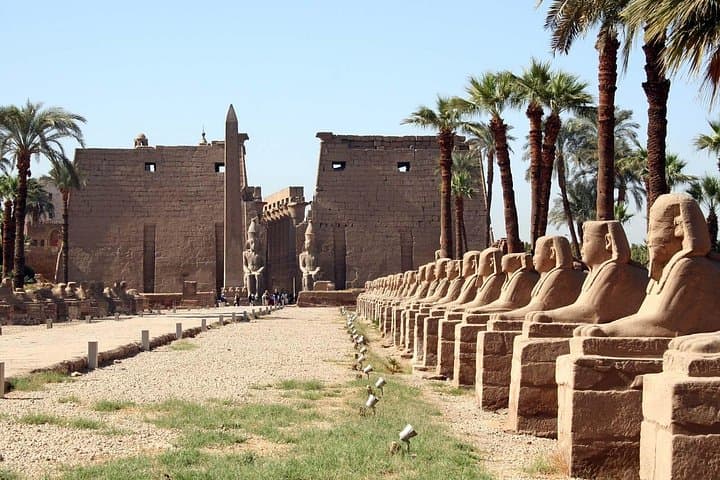
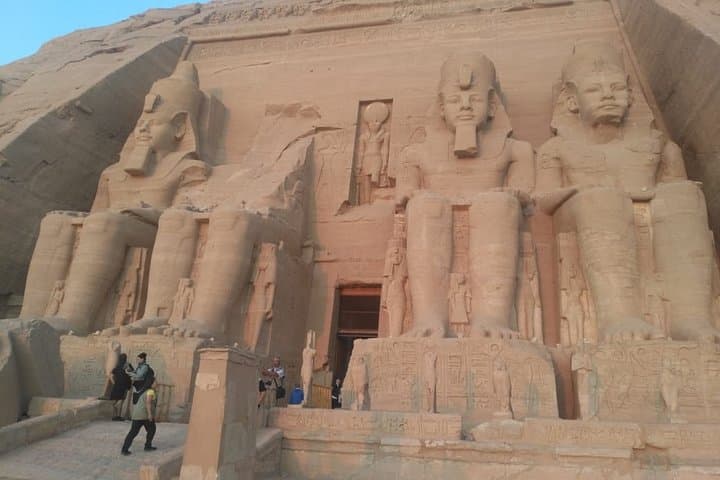
This itinerary threads the main chapters of ancient Egypt: the New Kingdom tombs in the Valley of the Kings, Hatshepsut’s raised causeway, the hypostyle halls of Karnak and Luxor, Ptolemaic Kom Ombo, the well-preserved Edfu temple, Philae’s island sanctuary and the monumental rock-cut Abu Simbel. Geologically the Nile corridor is an alluvial ribbon—fertile deposits, soft silt banks and exposed sandstone that ancient builders carved into temples and colossi.
Culturally you’ll see living Nile communities and Nubian islands where river life still sets the day. Guides link inscriptions to history, and the ship gives you a steady base between full-day shore excursions.
Practical guidance: expect early starts—Abu Simbel requires a pre-dawn transfer—and uneven ground, steep temple steps and dim tomb passages. Bring a wide-brim hat, sturdy walking shoes, sunscreen and plenty of water; bottled water is standard on board. Cash in small denominations is useful for tips, local purchases and small vendors.
Pace your sightseeing: plan quiet deck time between temples to watch the Nile’s changing light. Respect archaeological sites—no touching reliefs or flash photography in sensitive interiors—and you’ll leave with a clear sense of why these structures still command the river’s attention.
Many nationalities require a visa to enter Egypt—check your country’s requirements and secure a visa in advance or obtain one on arrival where available.
Yes; Abu Simbel is commonly done as a long early-morning round trip from Aswan and is included in this itinerary, requiring an early start.
Expect moderate walking, stairs and some uneven footing inside tombs and temples; comfortable shoes and steady mobility are recommended.
Meals listed in the itinerary (breakfasts and several lunches/dinners) and door-to-door transfers, plus first-class seated train tickets are included per the tour details.
Here Egypt Tours operates guided outdoor trips and adventures with an emphasis on safety, stewardship, and memorable experiences.
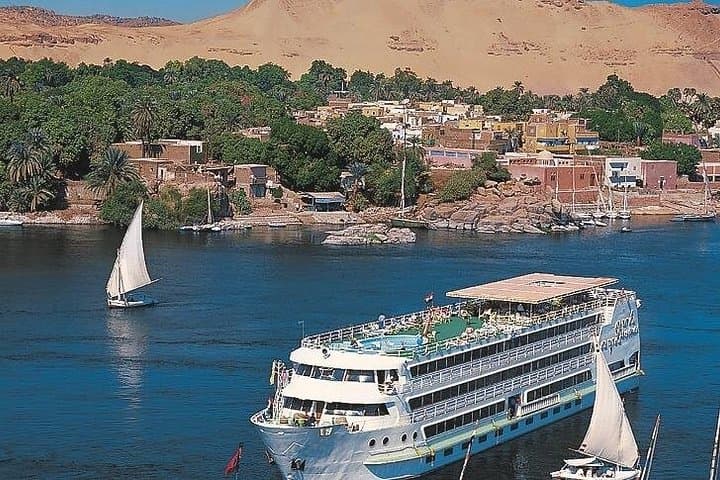

You step off a night train into the slow light of Luxor and the Nile greets you like an old route—wide, warm and insinuating. Palm fronds skirt the river; feluccas bob near the quay while the cruise staff hauls luggage and welcomes you aboard. Over five days you’ll move downstream through cultivated islands and mudbanks, each bend revealing a new cluster of pharaonic stone.
You step off a night train into the slow light of Luxor and the Nile greets you like an old route—wide, warm and insinuating. Palm fronds skirt the river; feluccas bob near the quay while the cruise staff hauls luggage and welcomes you aboard. Over five days you’ll move downstream through cultivated islands and mudbanks, each bend revealing a new cluster of pharaonic stone.
This itinerary threads the main chapters of ancient Egypt: the New Kingdom tombs in the Valley of the Kings, Hatshepsut’s raised causeway, the hypostyle halls of Karnak and Luxor, Ptolemaic Kom Ombo, the well-preserved Edfu temple, Philae’s island sanctuary and the monumental rock-cut Abu Simbel. Geologically the Nile corridor is an alluvial ribbon—fertile deposits, soft silt banks and exposed sandstone that ancient builders carved into temples and colossi.
Culturally you’ll see living Nile communities and Nubian islands where river life still sets the day. Guides link inscriptions to history, and the ship gives you a steady base between full-day shore excursions.
Practical guidance: expect early starts—Abu Simbel requires a pre-dawn transfer—and uneven ground, steep temple steps and dim tomb passages. Bring a wide-brim hat, sturdy walking shoes, sunscreen and plenty of water; bottled water is standard on board. Cash in small denominations is useful for tips, local purchases and small vendors.
Pace your sightseeing: plan quiet deck time between temples to watch the Nile’s changing light. Respect archaeological sites—no touching reliefs or flash photography in sensitive interiors—and you’ll leave with a clear sense of why these structures still command the river’s attention.