THE ADVENTURE COLLECTIVE® · Independent discovery and booking for outdoor travel

Float between Luxor and Aswan on a five-day, full-board Nile cruise that pairs daily guided visits to Karnak, the Valley of the Kings, Philae and Kom Ombo with comfortable riverfront accommodations. Expect relaxed river travel, early archaeological starts, and onboard amenities.
Float between Luxor and Aswan on a five-day, full-board Nile cruise that pairs daily guided visits to Karnak, the Valley of the Kings, Philae and Kom Ombo with comfortable riverfront accommodations. Expect relaxed river travel, early archaeological starts, and onboard amenities.
The sun slides along the Nile like a slow, deliberate hand, and aboard a five-star cruise the river dares you to slow down and watch history float by.
Verified experiences and guided adventures in the surrounding area.
Operated by Bastet Travel · Luxor, Luxor Governorate
The sun slides along the Nile like a slow, deliberate hand, and aboard a five-star cruise the river dares you to slow down and watch history float by.
You board after a transfer from Hurghada and wake to a skyline of sandstone temples and palm-lined floodplains. Days are organized around shore excursions — Karnak and Luxor Temples on the east bank, the Valley of the Kings and Hatshepsut on the west — while evenings are spent on deck as the Nile’s current pushes the world past in gold and ochre.
This corridor of the Nile opened and fed Egypt’s civilization for millennia; the monuments here record pharaonic religion, dynastic power, and ancient stoneworking techniques visible at the Unfinished Obelisk in Aswan. Geologically the valley is an irrigated ribbon through desert rock and Nile silt, and culturally the river remains the spine of modern Egyptian life — feluccas, markets, and temple communities dotted between agricultural fields.
Practically, expect moderate travel days with guided walks, short drives, and motor-boat transfers to islands like Philae. The cruise includes full board meals, entrance fees, and local guides, but comfortable walking shoes, sun protection, and respect for temple dress codes are essential. Water is plentiful aboard, yet onshore vending can be limited; bring small bills for tips and souvenirs.
Plan for early starts at archaeological sites to avoid heat and crowds, and leave space in your schedule to stand on deck and simply watch the Nile work its slow, persistent magic.
Most visitors require an entry visa for Egypt; check your nationality’s requirements and obtain a visa before travel or on arrival where applicable.
This itinerary includes entrance fees to listed sites, transfers from Hurghada to Luxor and back, and motorboat transfers to sites like Philae as described in the itinerary.
The provider lists wheelchair accessibility for transportation and some areas, but many archaeological sites have steps and uneven ground — contact the operator ahead to confirm accommodations.
Expect short to moderate walks across uneven surfaces, stairs inside temples and tombs, and occasional short motorboat transfers; no technical hiking required.
Bastet Travel operates guided outdoor trips and adventures with an emphasis on safety, stewardship, and memorable experiences.
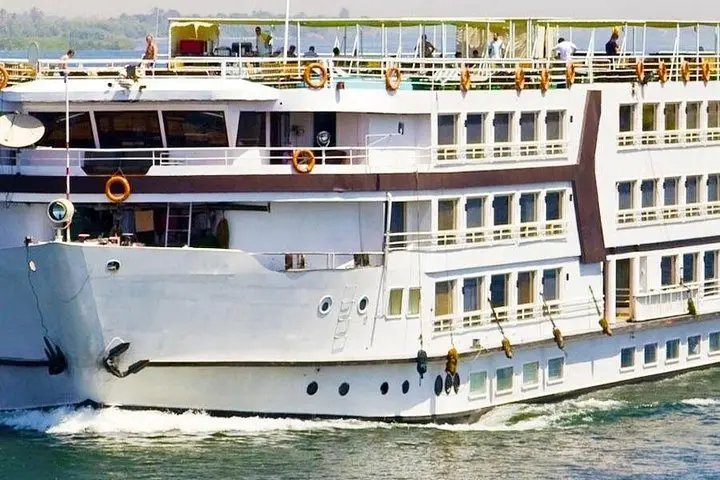
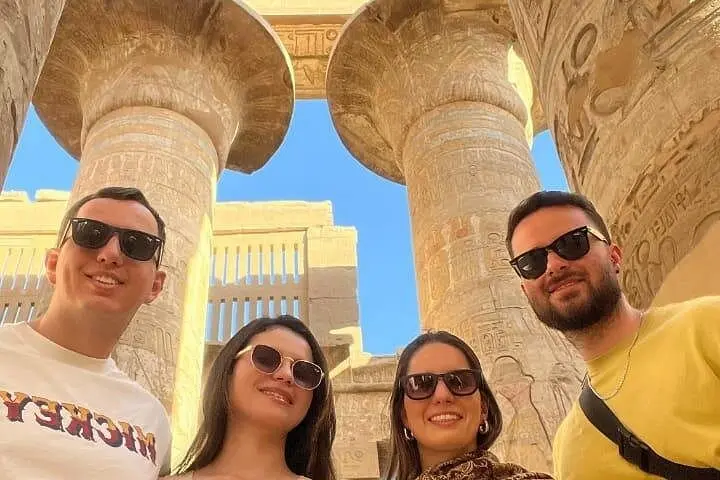
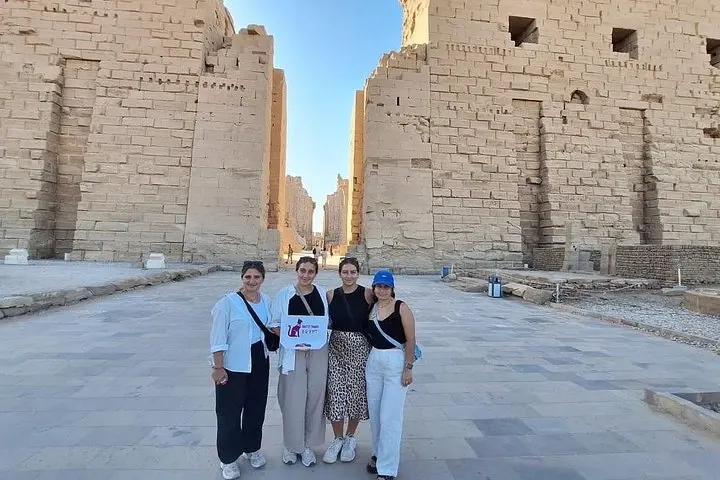
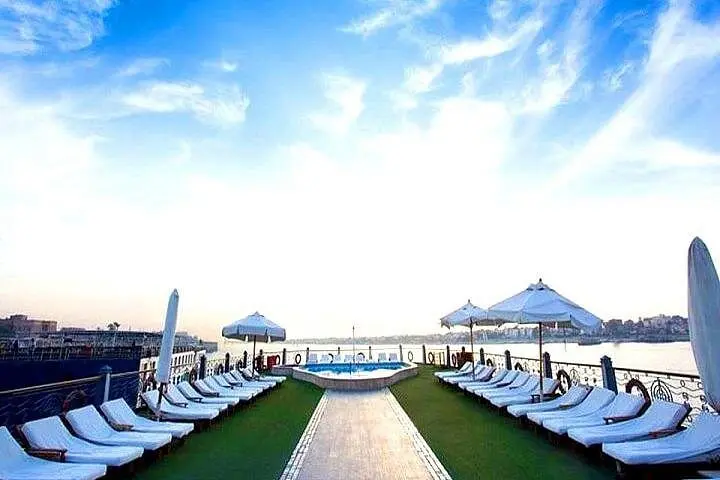
The sun slides along the Nile like a slow, deliberate hand, and aboard a five-star cruise the river dares you to slow down and watch history float by.
The sun slides along the Nile like a slow, deliberate hand, and aboard a five-star cruise the river dares you to slow down and watch history float by.
You board after a transfer from Hurghada and wake to a skyline of sandstone temples and palm-lined floodplains. Days are organized around shore excursions — Karnak and Luxor Temples on the east bank, the Valley of the Kings and Hatshepsut on the west — while evenings are spent on deck as the Nile’s current pushes the world past in gold and ochre.
This corridor of the Nile opened and fed Egypt’s civilization for millennia; the monuments here record pharaonic religion, dynastic power, and ancient stoneworking techniques visible at the Unfinished Obelisk in Aswan. Geologically the valley is an irrigated ribbon through desert rock and Nile silt, and culturally the river remains the spine of modern Egyptian life — feluccas, markets, and temple communities dotted between agricultural fields.
Practically, expect moderate travel days with guided walks, short drives, and motor-boat transfers to islands like Philae. The cruise includes full board meals, entrance fees, and local guides, but comfortable walking shoes, sun protection, and respect for temple dress codes are essential. Water is plentiful aboard, yet onshore vending can be limited; bring small bills for tips and souvenirs.
Plan for early starts at archaeological sites to avoid heat and crowds, and leave space in your schedule to stand on deck and simply watch the Nile work its slow, persistent magic.