THE ADVENTURE COLLECTIVE® · Independent discovery and booking for outdoor travel

Float from Luxor to Aswan on a four-night Nile cruise that pairs guided temple visits with relaxed river time. This five-day route covers Karnak, Valley of the Kings, Edfu, Kom Ombo and the highlights of Aswan.
Float from Luxor to Aswan on a four-night Nile cruise that pairs guided temple visits with relaxed river time. This five-day route covers Karnak, Valley of the Kings, Edfu, Kom Ombo and the highlights of Aswan.
You step onto the cruise deck as the Nile rolls slow and wide, the city of Luxor folding back into mud-brick silhouettes and minaret tips. The river smells of papyrus and diesel; feluccas slice the surface and fishermen cast nets like small rituals. The boat hums, engines settling into the steady rhythm that will carry you past temples, quarries, and riverside farms for four nights.
Verified experiences and guided adventures in the surrounding area.
Operated by Koki Egypt Travel · Luxor, Luxor Governorate
You step onto the cruise deck as the Nile rolls slow and wide, the city of Luxor folding back into mud-brick silhouettes and minaret tips. The river smells of papyrus and diesel; feluccas slice the surface and fishermen cast nets like small rituals. The boat hums, engines settling into the steady rhythm that will carry you past temples, quarries, and riverside farms for four nights.
This itinerary threads through Egypt’s core history: the funerary valleys and royal tombs of the West Bank, the colonnaded courts of Karnak and Luxor, the Ptolemaic chisels at Edfu and Kom Ombo, and the granite scars of Aswan’s quarries. Geology reads plainly here — limestone terraces giving way to Aswan’s pink granite — and culture is visible in Nubian houses, market calls, and the slow cadence of felucca sailors.
Expect guided shore excursions each day, short walks across uneven temple stones, and time on deck between ports to watch river life. Early mornings and late afternoons are best for photography; mid-day can be intensely hot.
Practical guidance: carry layered sun protection, sturdy shoes for temple steps, and small bills for local tips and market purchases. Hydrate frequently; bring a refillable bottle — crew can top it up. Respect local dress codes at religious and historic sites (cover shoulders and knees).
A five-day Nile cruise is low-impact physically but high on sensory and historical payoff — a paced way to move through ancient Egypt with the river continuing to push you forward.
Yes — you must provide passport details at booking and carry your passport for hotel pickup and immigration procedures.
This trip specifies that entrance fees to the mentioned historical places are included, but optional excursions or extras may cost more.
The cruise is generally easy but many archaeological sites have steps and uneven surfaces; it may not be recommended for those with serious mobility restrictions.
Egyptian pounds (EGP) are preferred for small purchases and tips; carry small denominations for convenience.
Koki Egypt Travel operates guided outdoor trips and adventures with an emphasis on safety, stewardship, and memorable experiences.
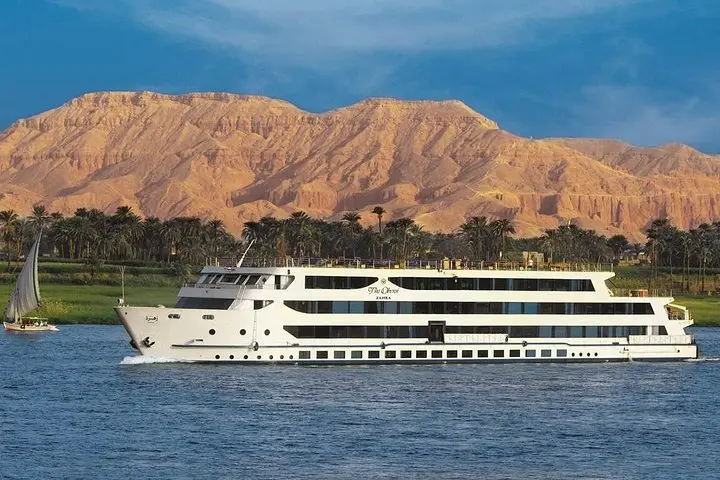
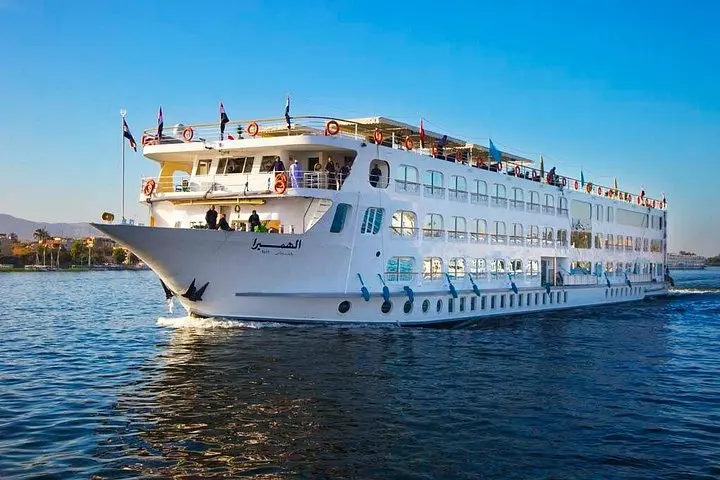
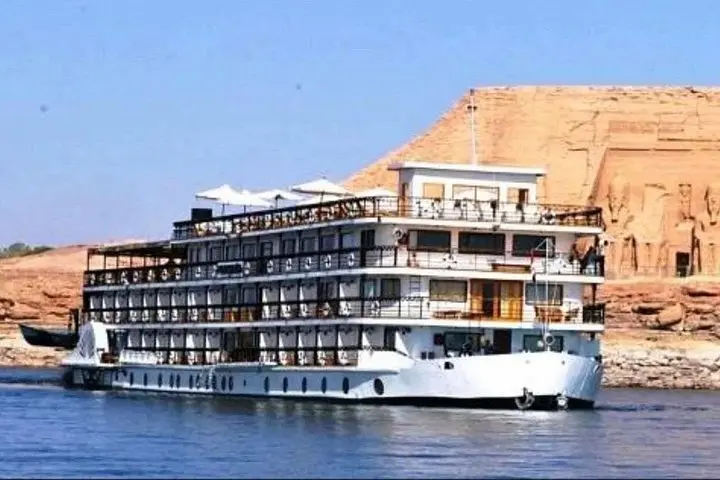
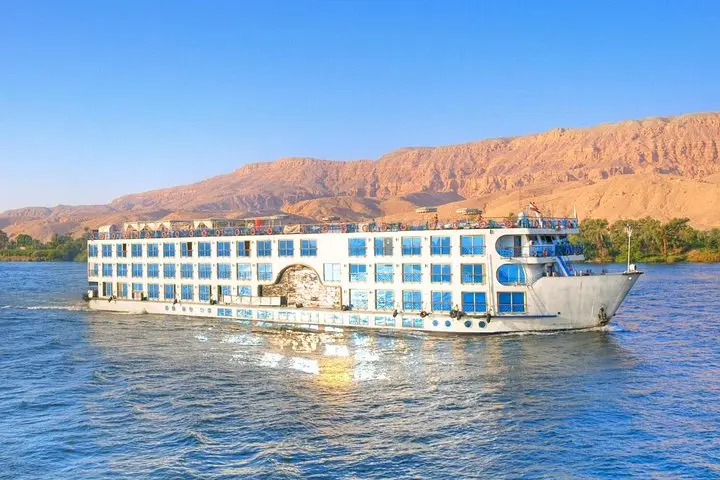
You step onto the cruise deck as the Nile rolls slow and wide, the city of Luxor folding back into mud-brick silhouettes and minaret tips. The river smells of papyrus and diesel; feluccas slice the surface and fishermen cast nets like small rituals. The boat hums, engines settling into the steady rhythm that will carry you past temples, quarries, and riverside farms for four nights.
You step onto the cruise deck as the Nile rolls slow and wide, the city of Luxor folding back into mud-brick silhouettes and minaret tips. The river smells of papyrus and diesel; feluccas slice the surface and fishermen cast nets like small rituals. The boat hums, engines settling into the steady rhythm that will carry you past temples, quarries, and riverside farms for four nights.
This itinerary threads through Egypt’s core history: the funerary valleys and royal tombs of the West Bank, the colonnaded courts of Karnak and Luxor, the Ptolemaic chisels at Edfu and Kom Ombo, and the granite scars of Aswan’s quarries. Geology reads plainly here — limestone terraces giving way to Aswan’s pink granite — and culture is visible in Nubian houses, market calls, and the slow cadence of felucca sailors.
Expect guided shore excursions each day, short walks across uneven temple stones, and time on deck between ports to watch river life. Early mornings and late afternoons are best for photography; mid-day can be intensely hot.
Practical guidance: carry layered sun protection, sturdy shoes for temple steps, and small bills for local tips and market purchases. Hydrate frequently; bring a refillable bottle — crew can top it up. Respect local dress codes at religious and historic sites (cover shoulders and knees).
A five-day Nile cruise is low-impact physically but high on sensory and historical payoff — a paced way to move through ancient Egypt with the river continuing to push you forward.