THE ADVENTURE COLLECTIVE® · Independent discovery and booking for outdoor travel

Sail from Luxor to Aswan over five days to explore Karnak, the Valley of the Kings, Edfu and Kom Ombo, and Aswan’s island temples. This cruise combines relaxed river travel with curated archaeological stops led by an Egyptologist.
Sail from Luxor to Aswan over five days to explore Karnak, the Valley of the Kings, Edfu and Kom Ombo, and Aswan’s island temples. This cruise combines relaxed river travel with curated archaeological stops led by an Egyptologist.
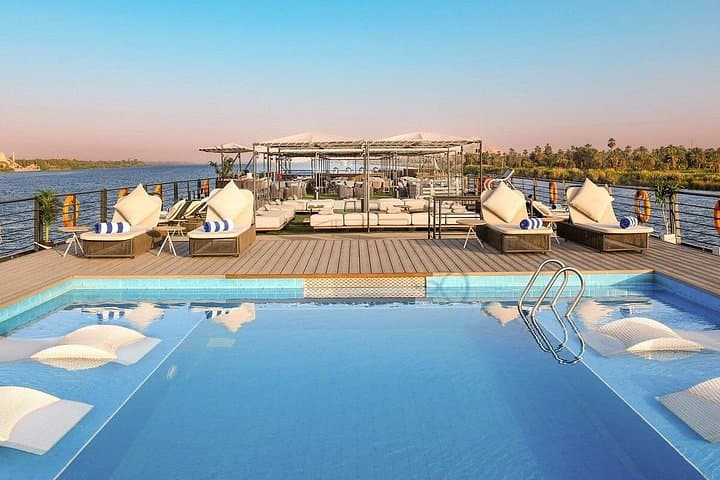
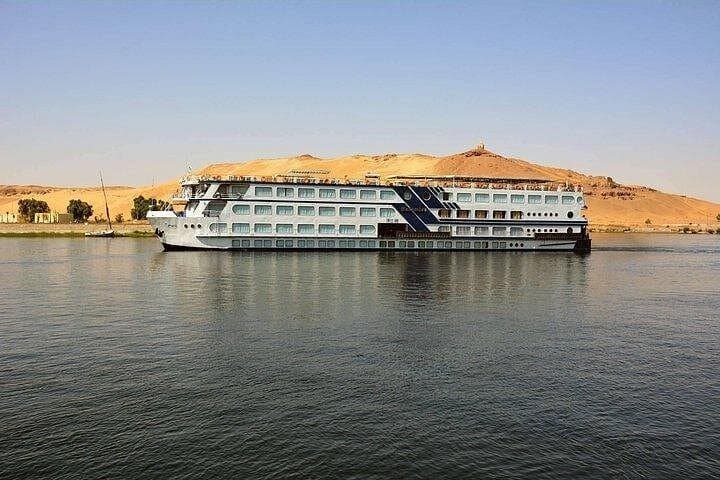
The cruise slips away from Luxor at dawn, the Nile reflecting a pale gold that seems to push you forward toward ancient stone and living villages. On deck, the air carries date-sweet smoke and the steady thrum of the engine while the riverbanks alternate between cultivated green and sun-baked cliffs.
Verified experiences and guided adventures in the surrounding area.
Operated by Hurghada Tours Plus · Luxor, Luxor Governorate
The cruise slips away from Luxor at dawn, the Nile reflecting a pale gold that seems to push you forward toward ancient stone and living villages. On deck, the air carries date-sweet smoke and the steady thrum of the engine while the riverbanks alternate between cultivated green and sun-baked cliffs.
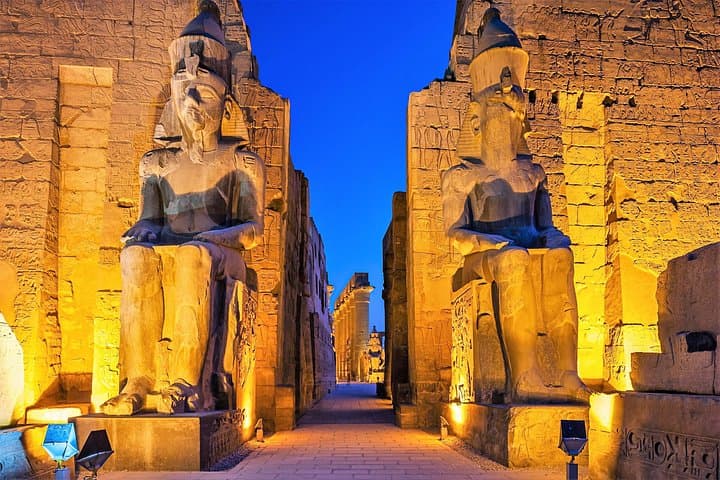
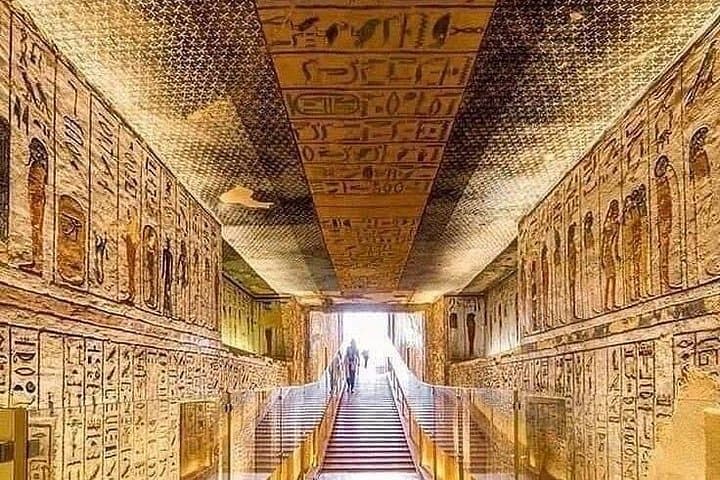
This itinerary visits Karnak and Luxor Temples on the East Bank, the Valley of the Kings and Hatshepsut’s mortuary temple across the Nile, and the enormous Colossi of Memnon. Moving south, the cruise calls at Edfu’s Temple of Horus and Kom Ombo’s dual sanctuary before finishing in Aswan with Philae, the High Dam and the Unfinished Obelisk. Geologically, the route follows the Nile’s floodplain cut into Nubian sandstone and granite outcrops; culturally, it traces millennia of pharaonic power and later Ptolemaic and Roman layers.
Expect guided walks with an Egyptologist at major sites, short on-foot tours up staircases and through hypostyle halls, and long afternoons cruising between stops. Practicalities: carry a sun hat, layered clothing for cool mornings and hot afternoons, and comfortable shoes for uneven temple floors. Hydrate frequently — the dry desert climate makes dehydration easy.
Timing matters: early-morning and late-afternoon visits avoid the heat and offer better light for reliefs and tomb paintings. Optional Abu Simbel adds a long transfer but delivers monumental scale few other sites match. The trip balances relaxed river travel with focused archaeological exploration — a measured way to experience Egypt’s southern corridor without constant packing and unpacking.
Yes; the itinerary notes infants must sit on laps and activities are generally low-impact, but long transfers or optional Abu Simbel may be tiring for very young children.
Major guided tours are included with an Egyptologist and site admissions are typically covered—confirm specific tickets when booking.
Yes; Abu Simbel is optional and involves an early transfer from Aswan — it adds significant travel time but offers unrivaled monumental architecture.
Bring Egyptian pounds for small purchases and tips; larger hotels and some vendors accept cards, but cash is preferred at local markets and small shops.
Hurghada Tours Plus operates guided outdoor trips and adventures with an emphasis on safety, stewardship, and memorable experiences.
The cruise slips away from Luxor at dawn, the Nile reflecting a pale gold that seems to push you forward toward ancient stone and living villages. On deck, the air carries date-sweet smoke and the steady thrum of the engine while the riverbanks alternate between cultivated green and sun-baked cliffs.
The cruise slips away from Luxor at dawn, the Nile reflecting a pale gold that seems to push you forward toward ancient stone and living villages. On deck, the air carries date-sweet smoke and the steady thrum of the engine while the riverbanks alternate between cultivated green and sun-baked cliffs.
This itinerary visits Karnak and Luxor Temples on the East Bank, the Valley of the Kings and Hatshepsut’s mortuary temple across the Nile, and the enormous Colossi of Memnon. Moving south, the cruise calls at Edfu’s Temple of Horus and Kom Ombo’s dual sanctuary before finishing in Aswan with Philae, the High Dam and the Unfinished Obelisk. Geologically, the route follows the Nile’s floodplain cut into Nubian sandstone and granite outcrops; culturally, it traces millennia of pharaonic power and later Ptolemaic and Roman layers.
Expect guided walks with an Egyptologist at major sites, short on-foot tours up staircases and through hypostyle halls, and long afternoons cruising between stops. Practicalities: carry a sun hat, layered clothing for cool mornings and hot afternoons, and comfortable shoes for uneven temple floors. Hydrate frequently — the dry desert climate makes dehydration easy.
Timing matters: early-morning and late-afternoon visits avoid the heat and offer better light for reliefs and tomb paintings. Optional Abu Simbel adds a long transfer but delivers monumental scale few other sites match. The trip balances relaxed river travel with focused archaeological exploration — a measured way to experience Egypt’s southern corridor without constant packing and unpacking.