THE ADVENTURE COLLECTIVE® · Independent discovery and booking for outdoor travel

Witness the Great Migration where herds test the crocodile‑lined Mara River and predators watch from the banks. This five‑day Northern Serengeti safari pairs Tarangire’s baobab plains with Ngorongoro’s crater wildlife for concentrated game viewing and comfortable mobile camping.
Witness the Great Migration where herds test the crocodile‑lined Mara River and predators watch from the banks. This five‑day Northern Serengeti safari pairs Tarangire’s baobab plains with Ngorongoro’s crater wildlife for concentrated game viewing and comfortable mobile camping.
Dust from a thousand hooves hangs in the air as a grey horizon condenses into the jitter of bodies and the flash of teeth — the Mara River crossing. On this five-day route through Tarangire, Northern Serengeti and Ngorongoro, visitors watch the migration’s surge from raised Land Cruiser roofs, listening to guides translate animal cues into likely outcomes.
Verified experiences and guided adventures in the surrounding area.
Operated by Explore Green Africa Safaris · Kogatende, Mara Region
Dust from a thousand hooves hangs in the air as a grey horizon condenses into the jitter of bodies and the flash of teeth — the Mara River crossing. On this five-day route through Tarangire, Northern Serengeti and Ngorongoro, visitors watch the migration’s surge from raised Land Cruiser roofs, listening to guides translate animal cues into likely outcomes.
The route stitches together volcanic highlands, ancient river valleys and broad savannah formed by tectonic uplift and erosive floods. Tarangire’s baobabs mark dry-season waterlines; the Mara River cuts a crocodile-lined artery through the northern plains that determines whether a herd survives a crossing. Local Maasai communities and long-established camp operators have shaped access and hospitality here, balancing tourism income with grazing needs.
Expect long, vehicle-based game drives at dawn and late afternoon, short walks at camps, and nights in comfortable lodges or a mobile tented camp near prime viewing areas. Guides focus on behavior-reading — where predators will lie in wait, which river bends funnel crossings — making each outing both natural history lesson and suspenseful theater.
Practical notes: travel between parks involves multi-hour drives on rough roads; pack layered clothing for hot days and cool crater rims, a good pair of binoculars, and a camera with a long lens. Hydration and sun protection are essential; follow your guide’s safety briefings around wildlife. The best chance to witness Mara River crossings is July–October during the peak migration, though wildlife sightings occur year-round. This is a safari crafted for focused observers who want immersive, guided encounters with East Africa’s most dramatic migrations.
Peak river crossings typically occur July through October when the migration moves north; exact timing shifts yearly with rains and grazing patterns.
The itinerary combines selected lodges and a mobile tented camp, offering king beds at lodges and comfortable safari tents in the Serengeti.
Yes—this private safari package includes all park fees, transport in a 4x4 safari vehicle, meals listed, and airport/hotel pickups.
Travelers should carry a valid passport, check Tanzania entry requirements and recommended vaccinations (yellow fever, malaria precautions) with a travel health provider.
Explore Green Africa Safaris operates guided outdoor trips and adventures with an emphasis on safety, stewardship, and memorable experiences.
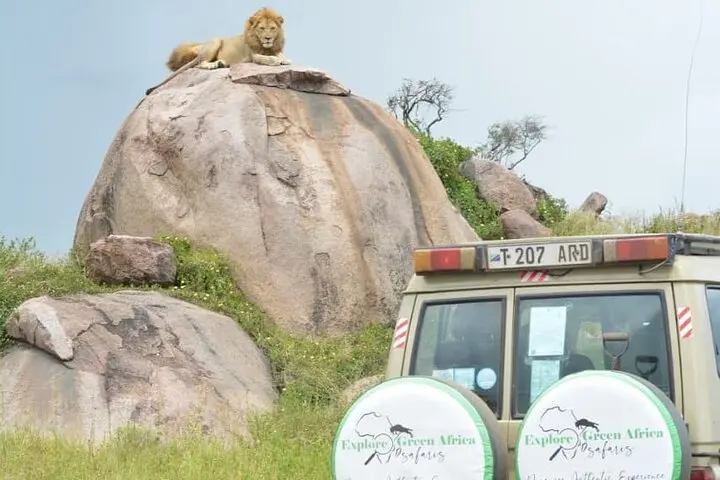
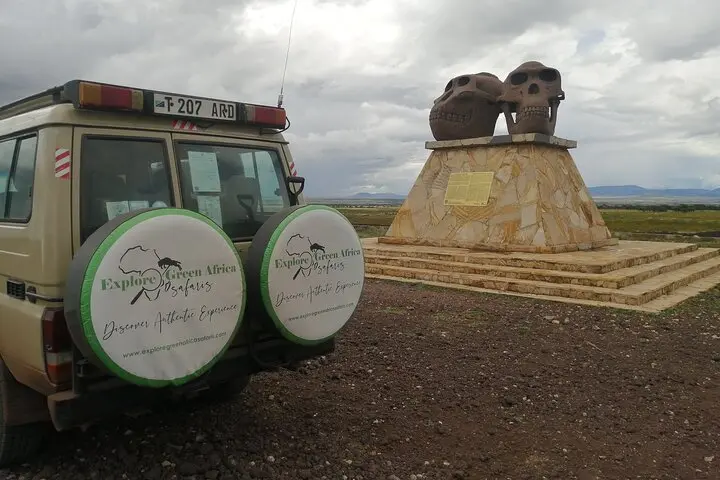
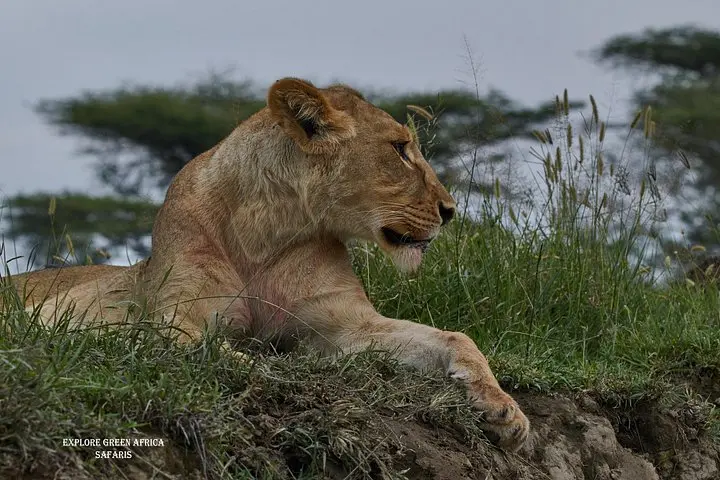
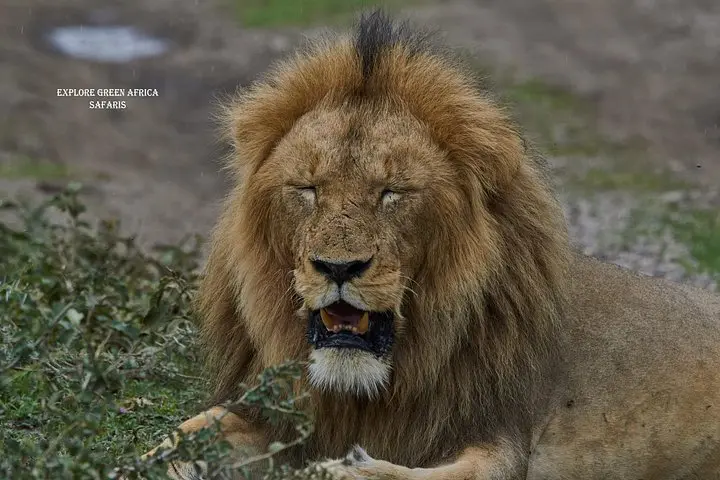
Dust from a thousand hooves hangs in the air as a grey horizon condenses into the jitter of bodies and the flash of teeth — the Mara River crossing. On this five-day route through Tarangire, Northern Serengeti and Ngorongoro, visitors watch the migration’s surge from raised Land Cruiser roofs, listening to guides translate animal cues into likely outcomes.
Dust from a thousand hooves hangs in the air as a grey horizon condenses into the jitter of bodies and the flash of teeth — the Mara River crossing. On this five-day route through Tarangire, Northern Serengeti and Ngorongoro, visitors watch the migration’s surge from raised Land Cruiser roofs, listening to guides translate animal cues into likely outcomes.
The route stitches together volcanic highlands, ancient river valleys and broad savannah formed by tectonic uplift and erosive floods. Tarangire’s baobabs mark dry-season waterlines; the Mara River cuts a crocodile-lined artery through the northern plains that determines whether a herd survives a crossing. Local Maasai communities and long-established camp operators have shaped access and hospitality here, balancing tourism income with grazing needs.
Expect long, vehicle-based game drives at dawn and late afternoon, short walks at camps, and nights in comfortable lodges or a mobile tented camp near prime viewing areas. Guides focus on behavior-reading — where predators will lie in wait, which river bends funnel crossings — making each outing both natural history lesson and suspenseful theater.
Practical notes: travel between parks involves multi-hour drives on rough roads; pack layered clothing for hot days and cool crater rims, a good pair of binoculars, and a camera with a long lens. Hydration and sun protection are essential; follow your guide’s safety briefings around wildlife. The best chance to witness Mara River crossings is July–October during the peak migration, though wildlife sightings occur year-round. This is a safari crafted for focused observers who want immersive, guided encounters with East Africa’s most dramatic migrations.