THE ADVENTURE COLLECTIVE® · Independent discovery and booking for outdoor travel

From Muscat’s marble calm to the sand-swept silence of Wahiba and the hush of turtles at Ras al Jinz, this five-day Oman route blends culture and wild places with ease. Expect city highlights, wadi swims, a desert camp, and fort-studded history—balanced with practical, on-the-ground guidance.
From Muscat’s marble calm to the sand-swept silence of Wahiba and the hush of turtles at Ras al Jinz, this five-day Oman route blends culture and wild places with ease. Expect city highlights, wadi swims, a desert camp, and fort-studded history—balanced with practical, on-the-ground guidance.
Dawn lands softly on Muscat as the city shakes off the night. Minarets catch first light, the Gulf’s surface winks, and the Hajar Mountains stand watch—stern but inviting. Your first hours are calm and curious: the cool marble of Sultan Qaboos Grand Mosque under bare feet, the perfume of frankincense clinging to Mutrah Souq’s wooden ribs, and the sea along the Corniche nudging dhows toward the day.
Verified experiences and guided adventures in the surrounding area.
Operated by GidOman · Muscat, Muscat Governorate
Dawn lands softly on Muscat as the city shakes off the night. Minarets catch first light, the Gulf’s surface winks, and the Hajar Mountains stand watch—stern but inviting. Your first hours are calm and curious: the cool marble of Sultan Qaboos Grand Mosque under bare feet, the perfume of frankincense clinging to Mutrah Souq’s wooden ribs, and the sea along the Corniche nudging dhows toward the day.
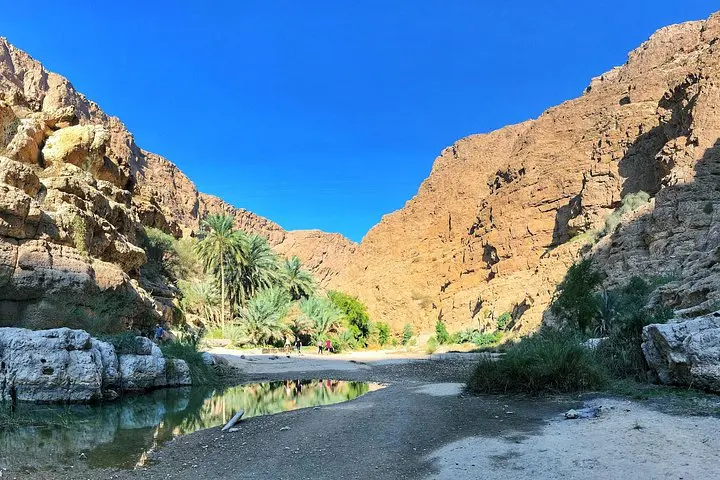
This five-day route moves with Oman’s natural rhythm: out of the city, along limestone coasts and into wadis that carve green lifelines through the rock. At Bimmah Sinkhole, a collapsed cavern reveals seawater the color of a gemstone. Geologists tell of limestone eaten away by time and brine; the water simply asks you to cool off. Farther east, Wadi Shab threads date palms and warm stone. Expect about 6 km round-trip of walking, some wading, then a quiet swim through a narrow keyhole to a hidden waterfall where the current urges you forward.
At night, the coast darkens and Ras al Jinz comes alive. Green turtles shoulder through surf like patient gladiators. Guides keep red lights low and voices lower. Peak nesting runs May–September, but the beach can deliver year-round. Here, conservation rules. You’re a guest; the beach decides the pace.
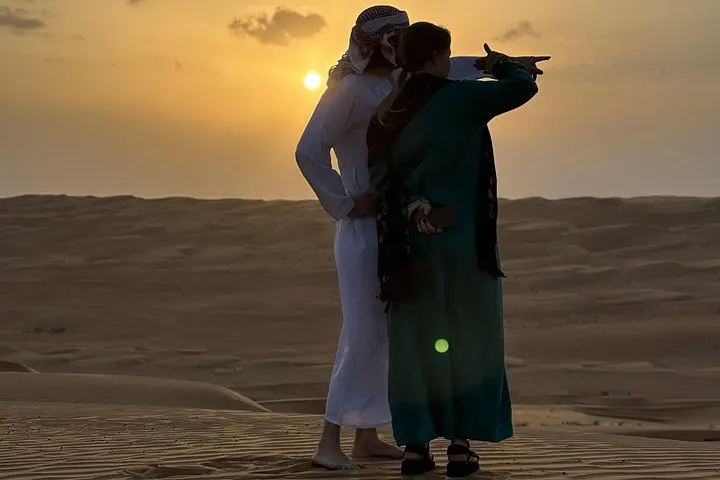
The route doubles back through Sur, where dhow yards still shape teak and tradition into ocean-going curves. Inland, Wadi Bani Khalid runs steady year-round—clear pools and smooth rock inviting a float or a cautious cliff jump. Then sand takes over. Wahiba (Sharqiya) Sands lifts into apricot waves, dunes running 100 meters high and the wind scribbling new lines by the hour. The desert asks for simple trade-offs: slower steps, longer horizons, better stars. Camp is a blend of Bedouin hospitality and creature comforts, with a fire that talks in sparks and a sky that refuses to blink.
On the final leg, the past squares its shoulders. Nizwa Fort’s 17th‑century bulk still commands the oasis, its round tower built to repel more than time. The souq hums with pottery, silver, halwa, and bargaining done with smiles. Nearby Al Hamra’s mudbrick alleys keep the cool and whisper of older ways; at Bait Al Safah, daily life becomes a living exhibit.
Practical notes: This itinerary is moderate. Expect city walking, a 2–3 hour Wadi Shab hike with swimming, warm-to-hot temperatures (30–40°C in summer), and cool desert nights in winter. Sturdy sandals with grip make wadi travel easier; modest attire is required at mosques (long sleeves, ankles covered, women with headscarf). Hydrate relentlessly, start early, and let Oman’s pace—measured and generous—set your own.
Moderate. Expect city walking, a 6 km round-trip hike at Wadi Shab with swimming, short climbs at forts, and soft-sand walking in the desert.
Basic swimming is needed to reach the cave waterfall. Non-swimmers can still enjoy pools near the trail and skip the final swim section.
Dress modestly: long sleeves and ankle-length pants or skirt; women must cover hair with a scarf. Footwear is removed in some areas.
October–April offers milder temperatures for hiking and sightseeing. Turtle nesting at Ras al Jinz peaks May–September, with year-round sightings possible.
Comfortable Bedouin-style camps offer private or shared tents/chalets, proper beds, bathrooms (varies by camp), dinner, breakfast, and a campfire under clear stars.
Breakfasts and several lunches/dinners are included; carry at least 2 liters of water per person on hiking days. Refill opportunities are frequent.
GidOman operates guided outdoor trips and adventures with an emphasis on safety, stewardship, and memorable experiences.
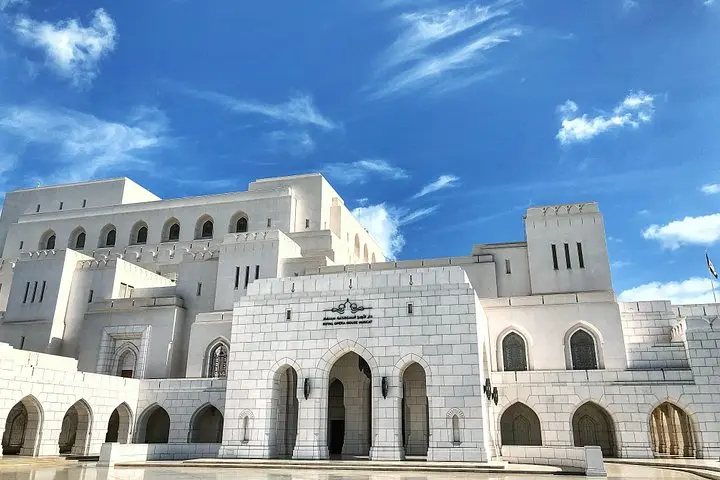

Dawn lands softly on Muscat as the city shakes off the night. Minarets catch first light, the Gulf’s surface winks, and the Hajar Mountains stand watch—stern but inviting. Your first hours are calm and curious: the cool marble of Sultan Qaboos Grand Mosque under bare feet, the perfume of frankincense clinging to Mutrah Souq’s wooden ribs, and the sea along the Corniche nudging dhows toward the day.
Dawn lands softly on Muscat as the city shakes off the night. Minarets catch first light, the Gulf’s surface winks, and the Hajar Mountains stand watch—stern but inviting. Your first hours are calm and curious: the cool marble of Sultan Qaboos Grand Mosque under bare feet, the perfume of frankincense clinging to Mutrah Souq’s wooden ribs, and the sea along the Corniche nudging dhows toward the day.
This five-day route moves with Oman’s natural rhythm: out of the city, along limestone coasts and into wadis that carve green lifelines through the rock. At Bimmah Sinkhole, a collapsed cavern reveals seawater the color of a gemstone. Geologists tell of limestone eaten away by time and brine; the water simply asks you to cool off. Farther east, Wadi Shab threads date palms and warm stone. Expect about 6 km round-trip of walking, some wading, then a quiet swim through a narrow keyhole to a hidden waterfall where the current urges you forward.
At night, the coast darkens and Ras al Jinz comes alive. Green turtles shoulder through surf like patient gladiators. Guides keep red lights low and voices lower. Peak nesting runs May–September, but the beach can deliver year-round. Here, conservation rules. You’re a guest; the beach decides the pace.
The route doubles back through Sur, where dhow yards still shape teak and tradition into ocean-going curves. Inland, Wadi Bani Khalid runs steady year-round—clear pools and smooth rock inviting a float or a cautious cliff jump. Then sand takes over. Wahiba (Sharqiya) Sands lifts into apricot waves, dunes running 100 meters high and the wind scribbling new lines by the hour. The desert asks for simple trade-offs: slower steps, longer horizons, better stars. Camp is a blend of Bedouin hospitality and creature comforts, with a fire that talks in sparks and a sky that refuses to blink.
On the final leg, the past squares its shoulders. Nizwa Fort’s 17th‑century bulk still commands the oasis, its round tower built to repel more than time. The souq hums with pottery, silver, halwa, and bargaining done with smiles. Nearby Al Hamra’s mudbrick alleys keep the cool and whisper of older ways; at Bait Al Safah, daily life becomes a living exhibit.
Practical notes: This itinerary is moderate. Expect city walking, a 2–3 hour Wadi Shab hike with swimming, warm-to-hot temperatures (30–40°C in summer), and cool desert nights in winter. Sturdy sandals with grip make wadi travel easier; modest attire is required at mosques (long sleeves, ankles covered, women with headscarf). Hydrate relentlessly, start early, and let Oman’s pace—measured and generous—set your own.