THE ADVENTURE COLLECTIVE® · Independent discovery and booking for outdoor travel

Five days through Ethiopia’s southern lowlands visiting Konso terraces, Hamer bull-jumping villages, painted Karo communities and Mursi lip-plate settlements. Expect dusty drives, dugout canoe crossings, lively markets and guided cultural encounters.
Five days through Ethiopia’s southern lowlands visiting Konso terraces, Hamer bull-jumping villages, painted Karo communities and Mursi lip-plate settlements. Expect dusty drives, dugout canoe crossings, lively markets and guided cultural encounters.
Dust kicks up behind the minivan as the road narrows into red-earth tracks and the Omo River comes into view—its current nudging traditional dugout canoes toward a low muddy bank. You step into a different pace of time: beehive-shaped Dorze huts rise on ridgelines, Konso terraces cut geometric lines into steep hills, and painted Karo bodies flash like living frescoes under the sun.
Verified experiences and guided adventures in the surrounding area.
Operated by Danakil Depression Tours · Arba Minch, Southern Nations, Nationalities, and Peoples' Region
Dust kicks up behind the minivan as the road narrows into red-earth tracks and the Omo River comes into view—its current nudging traditional dugout canoes toward a low muddy bank. You step into a different pace of time: beehive-shaped Dorze huts rise on ridgelines, Konso terraces cut geometric lines into steep hills, and painted Karo bodies flash like living frescoes under the sun.
This five-day loop threads southern Ethiopia’s cultural landscape with geology and history. The Konso terraces are a UNESCO-listed engineered landscape tied to centuries of dryland agriculture; the Omo Valley itself is a broad rift-side basin where seasonal rivers carve alluvial plains and support dense riparian forest. Markets — scheduled on specific days — remain the region’s social currency, where woven cloth, wooden carvings and salt bars change hands.
You’ll meet Mursi lip-plate women in the Mago fringes, witness Hamer villages where bull-jumping rites still mark adulthood, and cross the Omo by dugout canoe to visit Dassenech settlements. Expect dusty, often unpaved roads, short walks through villages and easy river transfers; the itinerary includes daily drives of 60–200 km between sites and an internal flight to/from Addis.
Practical notes: travel light, respect photography boundaries, and prepare for hot lowland conditions with variable cell coverage. Guides handle local introductions and permits; bring cash for market purchases and tipping. The trip is low-impact if travelers follow local rules—pack out trash, avoid purchasing animal parts, and favor community-run crafts. This is a culturally immersive, logistically simple circuit that rewards curiosity and respectful attention.
Local guides and operators typically handle permissions and introductions; independent visits are discouraged—always go with an experienced, community-aware guide.
The dry season (roughly November–February) offers the most reliable roads and clearer skies; the rainy months can make some dirt roads difficult and alter river crossings.
No — the tour features mostly vehicle transfers with short walks in villages and markets; basic mobility is sufficient.
Some market and village visits are organized to ensure safety and mutual benefit; authentic cultural exchange depends on respectful behavior and following guide instructions.
Danakil Depression Tours operates guided outdoor trips and adventures with an emphasis on safety, stewardship, and memorable experiences.

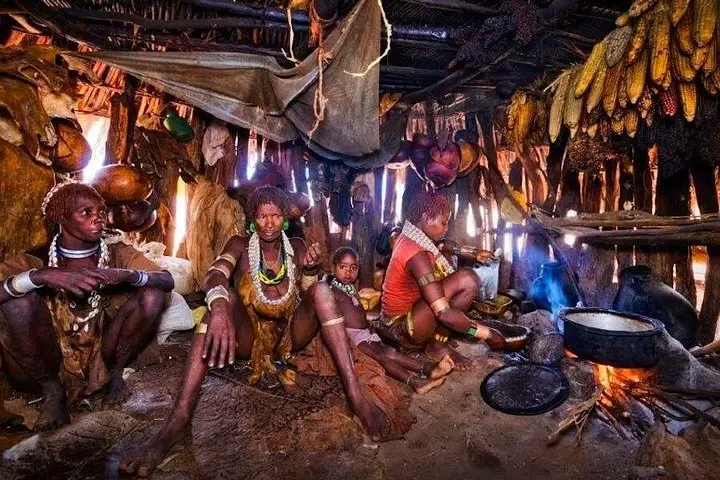


Dust kicks up behind the minivan as the road narrows into red-earth tracks and the Omo River comes into view—its current nudging traditional dugout canoes toward a low muddy bank. You step into a different pace of time: beehive-shaped Dorze huts rise on ridgelines, Konso terraces cut geometric lines into steep hills, and painted Karo bodies flash like living frescoes under the sun.
Dust kicks up behind the minivan as the road narrows into red-earth tracks and the Omo River comes into view—its current nudging traditional dugout canoes toward a low muddy bank. You step into a different pace of time: beehive-shaped Dorze huts rise on ridgelines, Konso terraces cut geometric lines into steep hills, and painted Karo bodies flash like living frescoes under the sun.
This five-day loop threads southern Ethiopia’s cultural landscape with geology and history. The Konso terraces are a UNESCO-listed engineered landscape tied to centuries of dryland agriculture; the Omo Valley itself is a broad rift-side basin where seasonal rivers carve alluvial plains and support dense riparian forest. Markets — scheduled on specific days — remain the region’s social currency, where woven cloth, wooden carvings and salt bars change hands.
You’ll meet Mursi lip-plate women in the Mago fringes, witness Hamer villages where bull-jumping rites still mark adulthood, and cross the Omo by dugout canoe to visit Dassenech settlements. Expect dusty, often unpaved roads, short walks through villages and easy river transfers; the itinerary includes daily drives of 60–200 km between sites and an internal flight to/from Addis.
Practical notes: travel light, respect photography boundaries, and prepare for hot lowland conditions with variable cell coverage. Guides handle local introductions and permits; bring cash for market purchases and tipping. The trip is low-impact if travelers follow local rules—pack out trash, avoid purchasing animal parts, and favor community-run crafts. This is a culturally immersive, logistically simple circuit that rewards curiosity and respectful attention.