THE ADVENTURE COLLECTIVE® · Independent discovery and booking for outdoor travel

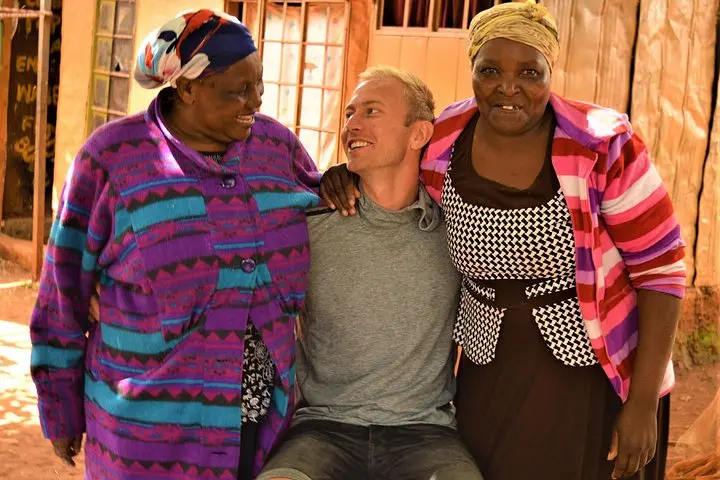
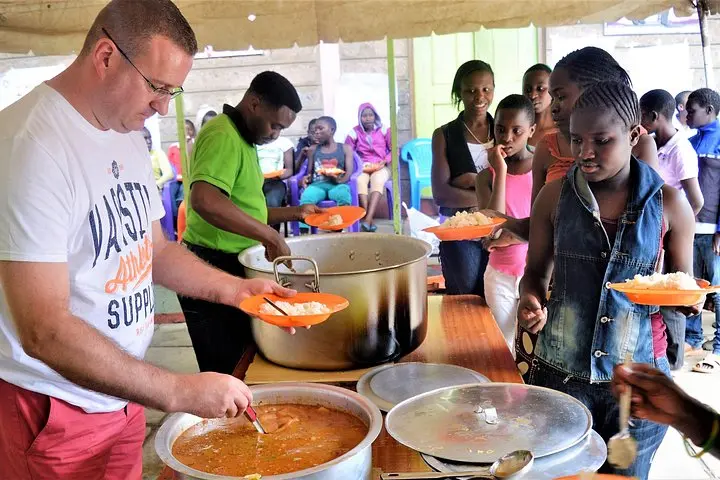
Spend five days with One Horizon supporting community projects in and around Nairobi—help at a children’s feeding centre, meet women entrepreneurs, visit a grandmother’s pig farm, and watch hippos on Lake Naivasha. This immersive program pairs hands-on volunteering with cultural exchange.
Spend five days with One Horizon supporting community projects in and around Nairobi—help at a children’s feeding centre, meet women entrepreneurs, visit a grandmother’s pig farm, and watch hippos on Lake Naivasha. This immersive program pairs hands-on volunteering with cultural exchange.
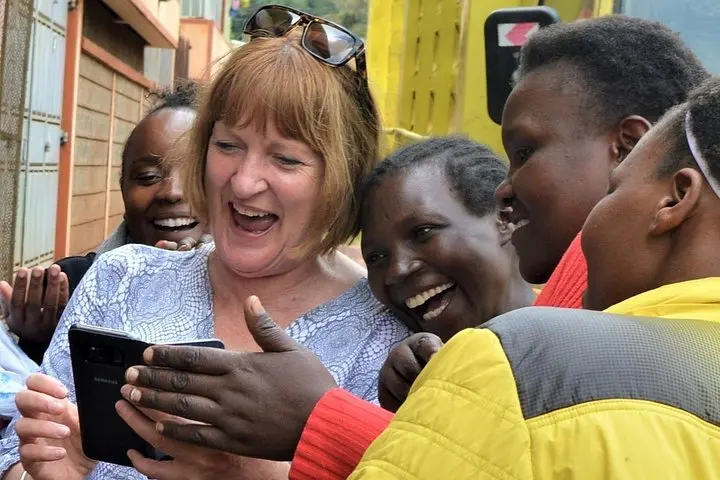
You step out of the air-conditioned van into Nairobi’s late-morning heat and the city exhales around you: hawkers selling chapati, tuk-tuks weaving, and the distant call to prayer threading through traffic noise. This tour doesn’t start with polished museums or staged wildlife drives—it begins with people. Over five days you move from a children’s feeding centre on Nairobi’s edge to a women’s empowerment workshop, a grandmother’s pig farm, a Maasai homestead and a quiet day by Lake Naivasha, each stop revealing how local initiatives convert necessity into resilience.
Verified experiences and guided adventures in the surrounding area.
Operated by One Horizon Africa · Nairobi, Nairobi County
You step out of the air-conditioned van into Nairobi’s late-morning heat and the city exhales around you: hawkers selling chapati, tuk-tuks weaving, and the distant call to prayer threading through traffic noise. This tour doesn’t start with polished museums or staged wildlife drives—it begins with people. Over five days you move from a children’s feeding centre on Nairobi’s edge to a women’s empowerment workshop, a grandmother’s pig farm, a Maasai homestead and a quiet day by Lake Naivasha, each stop revealing how local initiatives convert necessity into resilience.
Kenya’s modern story is written along its fault lines—the Great Rift Valley that slices the country, the colonial-era railway line that built Nairobi into a capital, and the shifting economies of urban and rural communities. One Horizon’s program foregrounds social enterprise: city farming techniques that squeeze life from limited plots of land; pig-husbandry systems that recycle waste into biogas; and an 18-month skills training program that turns informal makers into business owners. These initiatives are small but rooted in long histories of communal cooperation in the face of drought, colonial disruption, and rapid urbanization.
Geology and ecology punctuate the trip. A roadside stop above the Rift Valley lays out layered escarpments and parched grasslands to the west; Lake Naivasha offers the opposite temperament—papyrus-fringed waters where hippos claim the shallows and migratory birds treat the shoreline as an airfield. Nature here has agency: the hippos will assert their space in the water, and acacia groves on lodge grounds collect small dramas—baboons raiding breakfast and dik-dik darting through shade.
Culturally the highlight is time in a Maasai village. Welcome songs, the bright geometry of shuka cloth, spear-throwing lessons from young morans and elders’ stories create a rare context for exchange rather than observation. This is not a packaged cultural show; it’s participatory learning with hosts who are shaping how their traditions meet modern pressures.
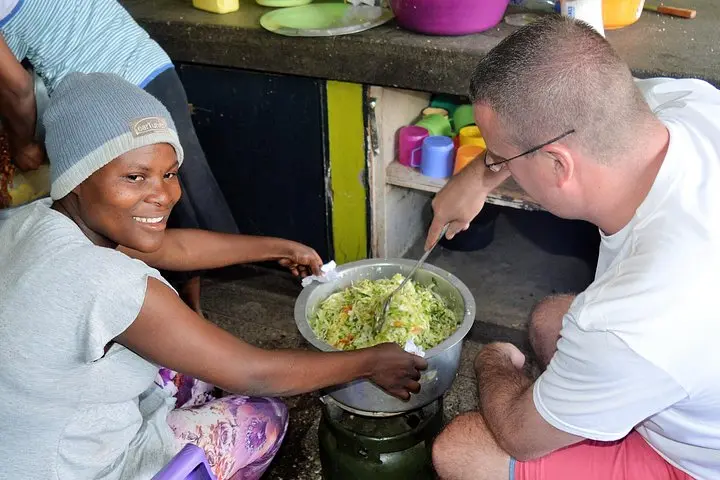
Practical guidance: the program is paced and accessible—each day averages seven hours of guided activity with hotel-based evenings at Le Maison Royale in Nairobi. Expect light physical activity—standing, walking short distances and helping with hands-on tasks like food preparation or farm work. Bring comfortable closed-toe shoes, sun protection and a modest wardrobe for respectful cultural visits. Cash for small purchases and tips is useful; travel insurance and updated vaccinations are recommended.
This tour succeeds when you come ready to listen and to work alongside locals rather than perform charity from afar. The reward is direct: a stronger understanding of Kenyan urban-rural life, memorable human stories, and the chance to leave a practical footprint in projects that aim for lasting impact.
No—this program is designed for travelers of all backgrounds; guides will orient you to tasks and ensure meaningful, supervised participation.
Yes, four nights at Le Maison Royale (4-star) in Nairobi are included in the itinerary.
Yes—Lake Naivasha is known for hippos and abundant birdlife; small antelope and monkeys may also be seen at lodge grounds.
Meals listed in the inclusions include breakfasts, lunches and two team dinners; check the itinerary for specifics by day.
Air-conditioned car transfers are provided daily and door-to-door hotel pickup can be arranged in Nairobi.
Yes—booking questions include special requirements; notify the operator in advance so they can plan appropriate meals.
One Horizon Africa operates guided outdoor trips and adventures with an emphasis on safety, stewardship, and memorable experiences.
You step out of the air-conditioned van into Nairobi’s late-morning heat and the city exhales around you: hawkers selling chapati, tuk-tuks weaving, and the distant call to prayer threading through traffic noise. This tour doesn’t start with polished museums or staged wildlife drives—it begins with people. Over five days you move from a children’s feeding centre on Nairobi’s edge to a women’s empowerment workshop, a grandmother’s pig farm, a Maasai homestead and a quiet day by Lake Naivasha, each stop revealing how local initiatives convert necessity into resilience.
You step out of the air-conditioned van into Nairobi’s late-morning heat and the city exhales around you: hawkers selling chapati, tuk-tuks weaving, and the distant call to prayer threading through traffic noise. This tour doesn’t start with polished museums or staged wildlife drives—it begins with people. Over five days you move from a children’s feeding centre on Nairobi’s edge to a women’s empowerment workshop, a grandmother’s pig farm, a Maasai homestead and a quiet day by Lake Naivasha, each stop revealing how local initiatives convert necessity into resilience.
Kenya’s modern story is written along its fault lines—the Great Rift Valley that slices the country, the colonial-era railway line that built Nairobi into a capital, and the shifting economies of urban and rural communities. One Horizon’s program foregrounds social enterprise: city farming techniques that squeeze life from limited plots of land; pig-husbandry systems that recycle waste into biogas; and an 18-month skills training program that turns informal makers into business owners. These initiatives are small but rooted in long histories of communal cooperation in the face of drought, colonial disruption, and rapid urbanization.
Geology and ecology punctuate the trip. A roadside stop above the Rift Valley lays out layered escarpments and parched grasslands to the west; Lake Naivasha offers the opposite temperament—papyrus-fringed waters where hippos claim the shallows and migratory birds treat the shoreline as an airfield. Nature here has agency: the hippos will assert their space in the water, and acacia groves on lodge grounds collect small dramas—baboons raiding breakfast and dik-dik darting through shade.
Culturally the highlight is time in a Maasai village. Welcome songs, the bright geometry of shuka cloth, spear-throwing lessons from young morans and elders’ stories create a rare context for exchange rather than observation. This is not a packaged cultural show; it’s participatory learning with hosts who are shaping how their traditions meet modern pressures.
Practical guidance: the program is paced and accessible—each day averages seven hours of guided activity with hotel-based evenings at Le Maison Royale in Nairobi. Expect light physical activity—standing, walking short distances and helping with hands-on tasks like food preparation or farm work. Bring comfortable closed-toe shoes, sun protection and a modest wardrobe for respectful cultural visits. Cash for small purchases and tips is useful; travel insurance and updated vaccinations are recommended.
This tour succeeds when you come ready to listen and to work alongside locals rather than perform charity from afar. The reward is direct: a stronger understanding of Kenyan urban-rural life, memorable human stories, and the chance to leave a practical footprint in projects that aim for lasting impact.