THE ADVENTURE COLLECTIVE® · Independent discovery and booking for outdoor travel

Five days that move from the Giza plateau to Luxor’s tombs, combining private Egyptologist-led visits, an overnight train option and an internal flight. Expect close-up archaeology, desert walks and practical tips for heat, dress and visas.
Five days that move from the Giza plateau to Luxor’s tombs, combining private Egyptologist-led visits, an overnight train option and an internal flight. Expect close-up archaeology, desert walks and practical tips for heat, dress and visas.
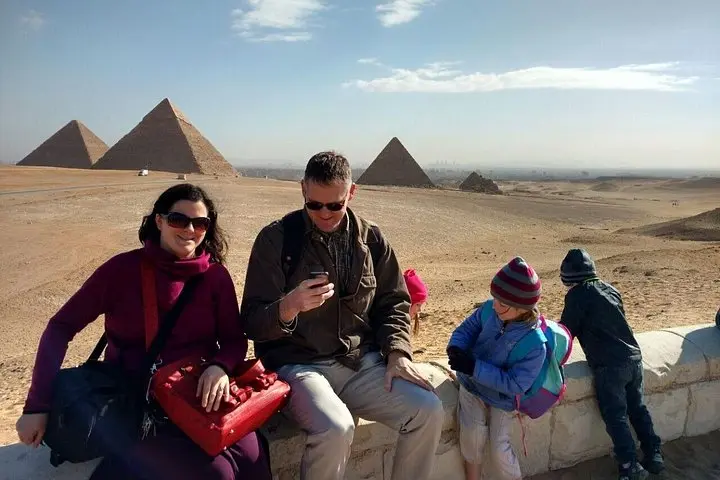
You step out onto the Giza plateau as late morning heat rises off limestone — camels shift, vendors call, and the three great pyramids sit like carved promises on the skyline. By night you’ll be on the Nile’s edge in Luxor, the river a dark ribbon daring you to follow its banks to tombs and temples older than most modern states.
Verified experiences and guided adventures in the surrounding area.
Operated by Explore plus Holidays · Cairo, Cairo Governorate
You step out onto the Giza plateau as late morning heat rises off limestone — camels shift, vendors call, and the three great pyramids sit like carved promises on the skyline. By night you’ll be on the Nile’s edge in Luxor, the river a dark ribbon daring you to follow its banks to tombs and temples older than most modern states.
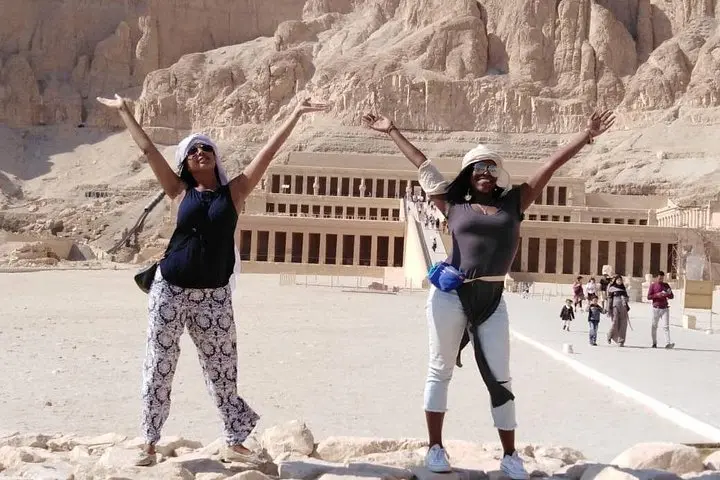
This five-day private itinerary threads two chapters of ancient Egypt: Cairo’s Giza complex and Egyptian Museum with Luxor’s West Bank necropolis and Karnak’s sandstone colonnades. The geology is simple and profound — layers of Nile silt and Eocene limestone shaped a narrow valley that concentrated human power and ritual; the result is tombs cut into desert hills and temples built with quarried stone raised to the sun. Local Egyptologists translate ritual, while markets, street-tea culture and Coptic and Islamic quarters show a living city layered over pharaonic foundations.
Expect close-up access to tombs (uneven steps, low chambers), a night on a sitting or optional sleeper train, and a short internal flight back to Cairo. Practicalities matter here: carry sunscreen, a hat, and sturdy shoes for sandy surfaces; bring copies of your passport and confirm visa requirements before arrival. Plan early starts to avoid mid-day heat, keep a small change purse for tips and small purchases, and respect photography rules inside museums and some tombs. This trip is about sustained, grounded encounters with Egypt’s monumental past — organized, private and paced to make the most of both cities’ incomparable archaeology.
Most nationalities require a visa for Egypt; check current entry rules and obtain the visa in advance or on arrival where eligible.
The tour includes entrance fees for listed monuments and the internal flight from Luxor to Cairo; check the booking inclusions for specifics.
The standard itinerary provides a sitting train; sleeper cabins are available as an upgrade for an additional fee.
Many ancient sites have uneven terrain, steps and narrow passages; accessibility is limited — contact the operator to arrange special assistance where possible.
Explore plus Holidays operates guided outdoor trips and adventures with an emphasis on safety, stewardship, and memorable experiences.
You step out onto the Giza plateau as late morning heat rises off limestone — camels shift, vendors call, and the three great pyramids sit like carved promises on the skyline. By night you’ll be on the Nile’s edge in Luxor, the river a dark ribbon daring you to follow its banks to tombs and temples older than most modern states.
You step out onto the Giza plateau as late morning heat rises off limestone — camels shift, vendors call, and the three great pyramids sit like carved promises on the skyline. By night you’ll be on the Nile’s edge in Luxor, the river a dark ribbon daring you to follow its banks to tombs and temples older than most modern states.
This five-day private itinerary threads two chapters of ancient Egypt: Cairo’s Giza complex and Egyptian Museum with Luxor’s West Bank necropolis and Karnak’s sandstone colonnades. The geology is simple and profound — layers of Nile silt and Eocene limestone shaped a narrow valley that concentrated human power and ritual; the result is tombs cut into desert hills and temples built with quarried stone raised to the sun. Local Egyptologists translate ritual, while markets, street-tea culture and Coptic and Islamic quarters show a living city layered over pharaonic foundations.
Expect close-up access to tombs (uneven steps, low chambers), a night on a sitting or optional sleeper train, and a short internal flight back to Cairo. Practicalities matter here: carry sunscreen, a hat, and sturdy shoes for sandy surfaces; bring copies of your passport and confirm visa requirements before arrival. Plan early starts to avoid mid-day heat, keep a small change purse for tips and small purchases, and respect photography rules inside museums and some tombs. This trip is about sustained, grounded encounters with Egypt’s monumental past — organized, private and paced to make the most of both cities’ incomparable archaeology.