THE ADVENTURE COLLECTIVE® · Independent discovery and booking for outdoor travel

A five-day private loop through Cape Town that pairs Table Mountain panoramas and Robben Island history with Chapman’s Peak, penguin colonies and world-class Winelands tastings. Expect full days, local guides, and a mix of included entries and optional extras.
A five-day private loop through Cape Town that pairs Table Mountain panoramas and Robben Island history with Chapman’s Peak, penguin colonies and world-class Winelands tastings. Expect full days, local guides, and a mix of included entries and optional extras.
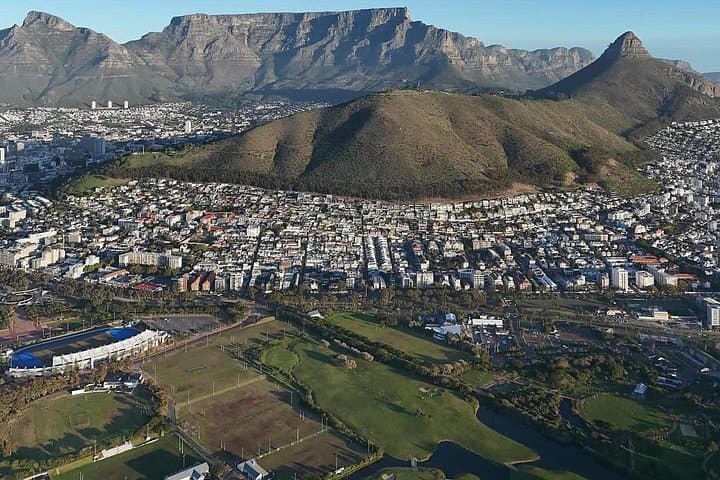
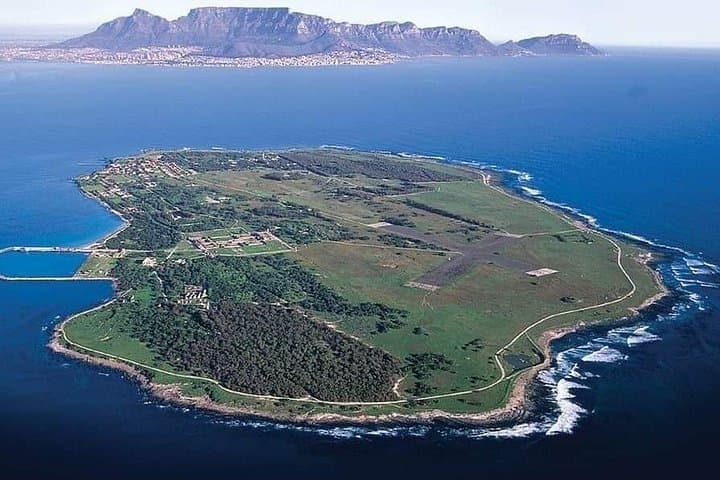
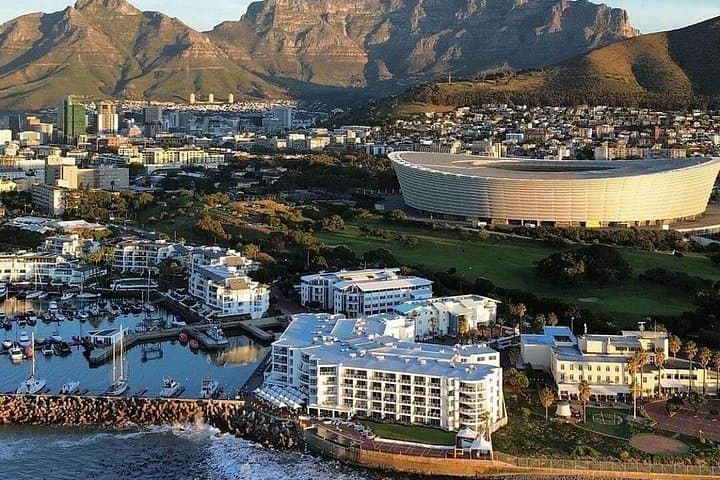
The first light slices the Atlantic in silver and the city exhales—Table Mountain’s flat crown catching dawn before the cable car completes its slow rotation. On day one a private guide meets you at the V&A Waterfront, the ferry slips out past cargo ships and gulls, and Robben Island grows from blue to stone: 11 km offshore, a 40–45 minute crossing that places you in the footsteps of Nelson Mandela and the nation’s struggle.
Verified experiences and guided adventures in the surrounding area.
Operated by african macaw dmc and Safaris · Cape Town, Western Cape
The first light slices the Atlantic in silver and the city exhales—Table Mountain’s flat crown catching dawn before the cable car completes its slow rotation. On day one a private guide meets you at the V&A Waterfront, the ferry slips out past cargo ships and gulls, and Robben Island grows from blue to stone: 11 km offshore, a 40–45 minute crossing that places you in the footsteps of Nelson Mandela and the nation’s struggle.
Across five days this private loop stitches together geology, history and coastal drama. Table Mountain (1,067 m) reads like a geological page: Table Mountain Sandstone stacked on Cape Fold Belt ridges, cliffs that force the ocean into white collars around the peninsula. Cape Point marks the collision of the warm Agulhas and cold Benguela currents and the coastline is a working classroom for oceanic weather and maritime history—ships have met their end here since the 15th century. The Winelands—Stellenbosch, Franschhoek, Paarl—are humanized landscapes: Cape Dutch homesteads, vineyards irrigated in a Mediterranean microclimate, and estates like Groot Constantia and La Motte that hold colonial-era architecture and centuries of agricultural practice.
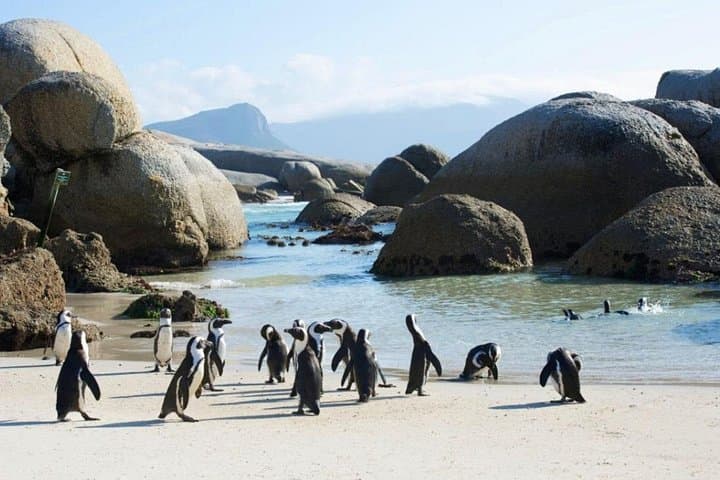
Wildlife threads through the route: Boulders Beach’s African penguins, the seal colony off Hout Bay, and the open savanna of Aquila Private Game Reserve where a half-day safari brings a shot at the Big Five. Nature here has agency—the wind on Chapman’s Peak Drive seems to dare you to stop for a photo; the sea pushes clouds along the mountain’s shoulder.
Practical guidance: this is a full-sensory, full-day itinerary each day—expect 6–10 hour days with moderate amounts of walking and short hikes. Book Robben Island well in advance; ferries sell out. Layered clothing is essential: coastal winds and mountain cold can arrive without warning, even in summer. Sun protection, a reusable water bottle, and comfortable walking shoes are non-negotiable. For the safari day, muted colors and quiet cameras improve sightings; keep a respectful distance from wildlife and follow ranger instructions.
Logistics are straightforward: pickup and drop-off from central Cape Town hotels is included, and the tour is wheelchair accessible at several stops (but some sites like certain Table Mountain trails and Cape Point hikes have limited access). Expect a mix of paid and included experiences—cable car tickets and some funiculars may be optional extras. Cash (ZAR) is useful for small purchases though cards are widely accepted.
Five days in Cape Town feels like rotating a prism: history, ocean, mountain, vineyard and plain—each angle revealing something unexpected and eminently practical for the traveler who wants to feel the place, then plan to return.
Yes—Robben Island ferries and guided tours often sell out; Table Mountain cable car can operate on weather-based schedules so book in advance but be prepared for last-minute cancellations due to wind.
The tour notes say it’s suitable for all fitness levels; children and seniors can participate but some short hikes and ferry crossings may be challenging—request specific pickup and accessibility needs when booking.
Tipping is customary—plan on roughly 10–15% for guides and drivers, or a flat amount per day depending on service quality.
South African rand (ZAR) is used; major cards are accepted in most venues. English is widely spoken and guides will conduct tours in English.
This is a private tour with options for customized pickup locations and some itinerary choices—contact the operator ahead of time to arrange specific needs or timing.
african macaw dmc and Safaris operates guided outdoor trips and adventures with an emphasis on safety, stewardship, and memorable experiences.
The first light slices the Atlantic in silver and the city exhales—Table Mountain’s flat crown catching dawn before the cable car completes its slow rotation. On day one a private guide meets you at the V&A Waterfront, the ferry slips out past cargo ships and gulls, and Robben Island grows from blue to stone: 11 km offshore, a 40–45 minute crossing that places you in the footsteps of Nelson Mandela and the nation’s struggle.
The first light slices the Atlantic in silver and the city exhales—Table Mountain’s flat crown catching dawn before the cable car completes its slow rotation. On day one a private guide meets you at the V&A Waterfront, the ferry slips out past cargo ships and gulls, and Robben Island grows from blue to stone: 11 km offshore, a 40–45 minute crossing that places you in the footsteps of Nelson Mandela and the nation’s struggle.
Across five days this private loop stitches together geology, history and coastal drama. Table Mountain (1,067 m) reads like a geological page: Table Mountain Sandstone stacked on Cape Fold Belt ridges, cliffs that force the ocean into white collars around the peninsula. Cape Point marks the collision of the warm Agulhas and cold Benguela currents and the coastline is a working classroom for oceanic weather and maritime history—ships have met their end here since the 15th century. The Winelands—Stellenbosch, Franschhoek, Paarl—are humanized landscapes: Cape Dutch homesteads, vineyards irrigated in a Mediterranean microclimate, and estates like Groot Constantia and La Motte that hold colonial-era architecture and centuries of agricultural practice.
Wildlife threads through the route: Boulders Beach’s African penguins, the seal colony off Hout Bay, and the open savanna of Aquila Private Game Reserve where a half-day safari brings a shot at the Big Five. Nature here has agency—the wind on Chapman’s Peak Drive seems to dare you to stop for a photo; the sea pushes clouds along the mountain’s shoulder.
Practical guidance: this is a full-sensory, full-day itinerary each day—expect 6–10 hour days with moderate amounts of walking and short hikes. Book Robben Island well in advance; ferries sell out. Layered clothing is essential: coastal winds and mountain cold can arrive without warning, even in summer. Sun protection, a reusable water bottle, and comfortable walking shoes are non-negotiable. For the safari day, muted colors and quiet cameras improve sightings; keep a respectful distance from wildlife and follow ranger instructions.
Logistics are straightforward: pickup and drop-off from central Cape Town hotels is included, and the tour is wheelchair accessible at several stops (but some sites like certain Table Mountain trails and Cape Point hikes have limited access). Expect a mix of paid and included experiences—cable car tickets and some funiculars may be optional extras. Cash (ZAR) is useful for small purchases though cards are widely accepted.
Five days in Cape Town feels like rotating a prism: history, ocean, mountain, vineyard and plain—each angle revealing something unexpected and eminently practical for the traveler who wants to feel the place, then plan to return.