THE ADVENTURE COLLECTIVE® · Independent discovery and booking for outdoor travel

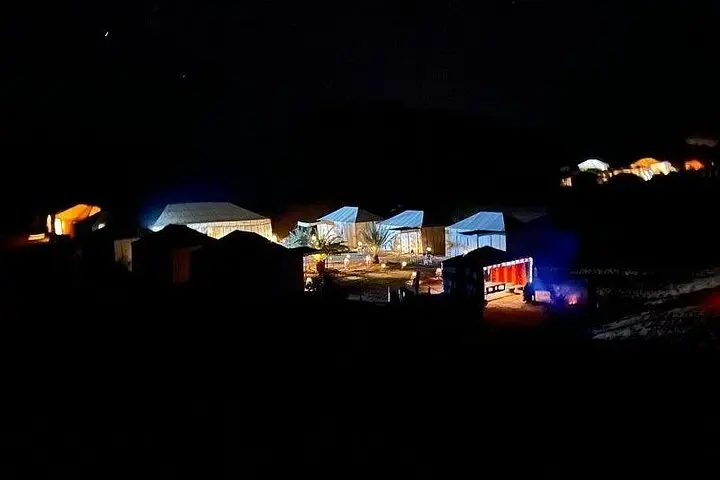
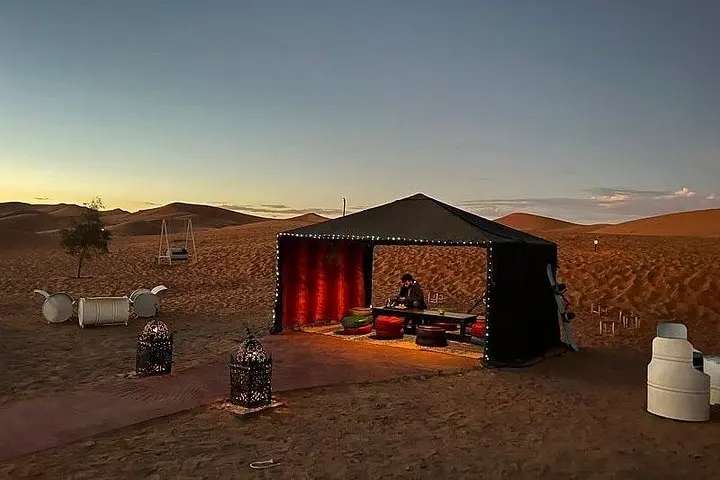
A private five-day journey from Fez to Marrakech that crosses cedar forests, palm-lined valleys and the dunes of Erg Chebbi. Expect long scenic drives, a luxury desert camp night, camel rides at sunrise and sunset, and visits to Todra and Dades gorges.
A private five-day journey from Fez to Marrakech that crosses cedar forests, palm-lined valleys and the dunes of Erg Chebbi. Expect long scenic drives, a luxury desert camp night, camel rides at sunrise and sunset, and visits to Todra and Dades gorges.
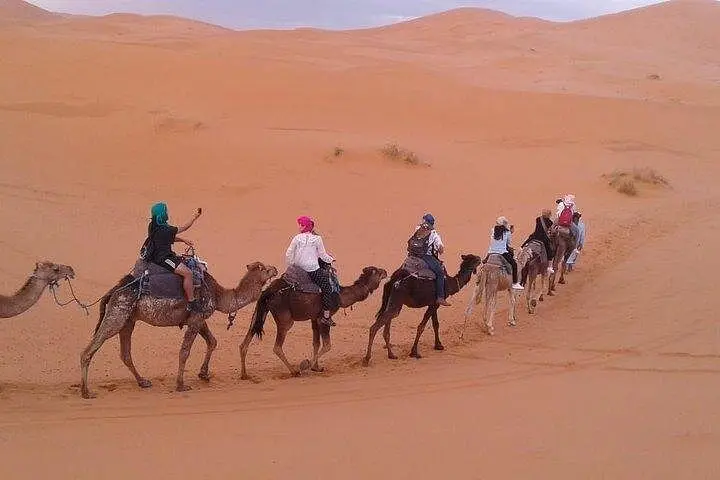
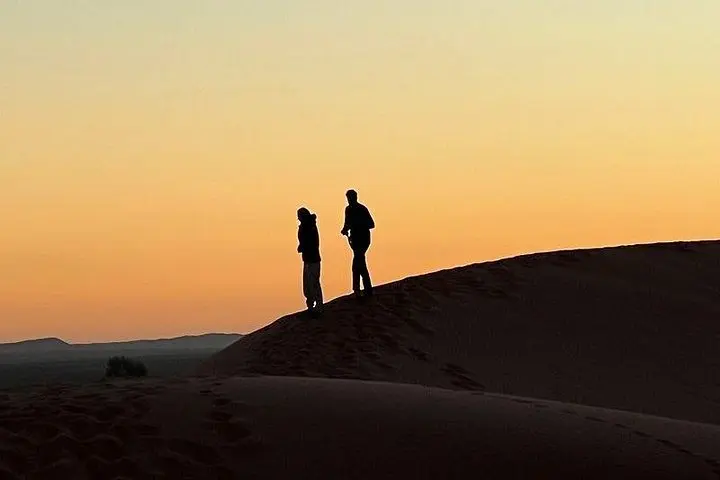
You step out of the 4x4 as the dune’s ridge throws a long shadow; the sand breathes heat and cold in the same hour, and the camels seem already to know the route by memory.
Verified experiences and guided adventures in the surrounding area.
Operated by Quiet Merzouga Desert- Day Tours · Merzouga, Errachidia Province
You step out of the 4x4 as the dune’s ridge throws a long shadow; the sand breathes heat and cold in the same hour, and the camels seem already to know the route by memory.
This five-day private route threads the Middle Atlas cedar forests and Ziz Valley palms, spills into the ochre townscapes of Erfoud and Rissani, then opens to the rolling sea of Erg Chebbi near Merzouga. The Todra and Dades gorges cut a high-contrast line through limestone, where river channels have carved vertical canyons that dare you to look up. On the southern leg, Ouarzazate and Ait Ben Haddou mark Morocco’s long role as a crossroads of trade and cinema; kasbahs here are fortified houses that grew from ksar settlements along caravan routes.
Geology reads like a layered ledger: Atlas uplift, alluvial fans feeding palm oases, wind-sculpted dunes that migrate each season. Culturally, the route is Berber country — local music, Gnawa rhythms, and the market cadence in Rissani recall centuries of exchange.
Practical guidance: plan long drive days and stagger activity—camel treks at sunset and dawn are cooler and photographically best. Bring layered clothing for desert nights, sun protection for daylight, and a small daypack for canyon walks. Hydrate proactively; water is scarce once you leave the towns. Respect private spaces in villages, and tip local guides for music or artisan visits. This itinerary balances quiet desert nights in a luxury camp with the grit of roadside markets and high mountain passes — an accessible, sensory route across southern Morocco.
Yes—children can join but must be accompanied by an adult; camel rides and long drives may be tiring for very young kids.
Camel rides are generally low-intensity, 30–90 minutes depending on the transfer; they can be bumpy but are manageable for most people.
Visa requirements depend on nationality; check Moroccan entry rules before travel. Routine vaccinations are typically sufficient—consult your healthcare provider for current advice.
Signal is intermittent in desert and mountain sections; bring power banks—some camps and riads offer charging but don’t rely on it.
Quiet Merzouga Desert- Day Tours operates guided outdoor trips and adventures with an emphasis on safety, stewardship, and memorable experiences.
You step out of the 4x4 as the dune’s ridge throws a long shadow; the sand breathes heat and cold in the same hour, and the camels seem already to know the route by memory.
You step out of the 4x4 as the dune’s ridge throws a long shadow; the sand breathes heat and cold in the same hour, and the camels seem already to know the route by memory.
This five-day private route threads the Middle Atlas cedar forests and Ziz Valley palms, spills into the ochre townscapes of Erfoud and Rissani, then opens to the rolling sea of Erg Chebbi near Merzouga. The Todra and Dades gorges cut a high-contrast line through limestone, where river channels have carved vertical canyons that dare you to look up. On the southern leg, Ouarzazate and Ait Ben Haddou mark Morocco’s long role as a crossroads of trade and cinema; kasbahs here are fortified houses that grew from ksar settlements along caravan routes.
Geology reads like a layered ledger: Atlas uplift, alluvial fans feeding palm oases, wind-sculpted dunes that migrate each season. Culturally, the route is Berber country — local music, Gnawa rhythms, and the market cadence in Rissani recall centuries of exchange.
Practical guidance: plan long drive days and stagger activity—camel treks at sunset and dawn are cooler and photographically best. Bring layered clothing for desert nights, sun protection for daylight, and a small daypack for canyon walks. Hydrate proactively; water is scarce once you leave the towns. Respect private spaces in villages, and tip local guides for music or artisan visits. This itinerary balances quiet desert nights in a luxury camp with the grit of roadside markets and high mountain passes — an accessible, sensory route across southern Morocco.