THE ADVENTURE COLLECTIVE® · Independent discovery and booking for outdoor travel

Walk Petra’s hidden corridors, ride Wadi Rum’s red dunes in a 4x4, and float in the Dead Sea on a privately guided five-day loop from Amman. This itinerary blends ancient ruins, Bedouin hospitality, and dramatic geology with door-to-door logistics.
Walk Petra’s hidden corridors, ride Wadi Rum’s red dunes in a 4x4, and float in the Dead Sea on a privately guided five-day loop from Amman. This itinerary blends ancient ruins, Bedouin hospitality, and dramatic geology with door-to-door logistics.
You step out of the minivan and the air changes—dry, mineral, honest. A stone-carved gorge narrows in front of you; sun slices the Siq into ribbons of light and shadow, teasing the Treasury from its hidden seat. Over the next five days Jordan keeps offering the same trick: scale and intimacy in one sweep. Ancient columns give way to lunar red deserts, then to a sea so buoyant it resists you like an obliging force.
Verified experiences and guided adventures in the surrounding area.
Operated by Baha'a · Amman, Amman Governorate
You step out of the minivan and the air changes—dry, mineral, honest. A stone-carved gorge narrows in front of you; sun slices the Siq into ribbons of light and shadow, teasing the Treasury from its hidden seat. Over the next five days Jordan keeps offering the same trick: scale and intimacy in one sweep. Ancient columns give way to lunar red deserts, then to a sea so buoyant it resists you like an obliging force.
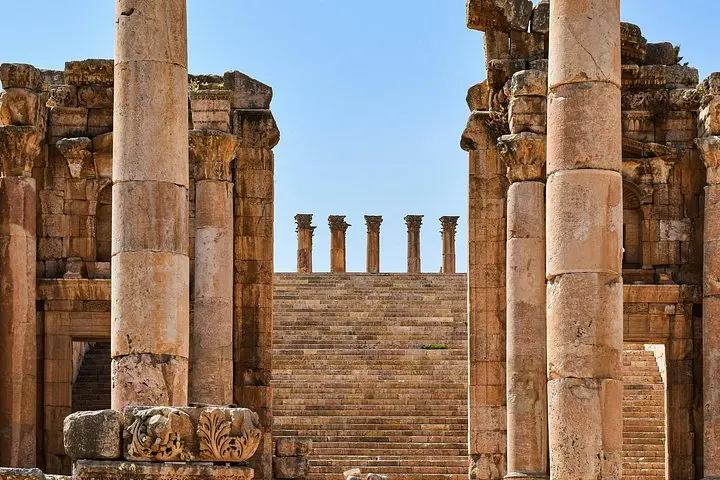
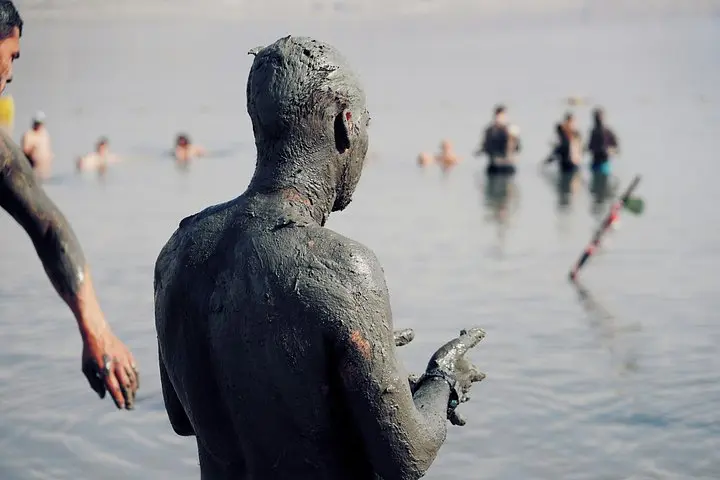
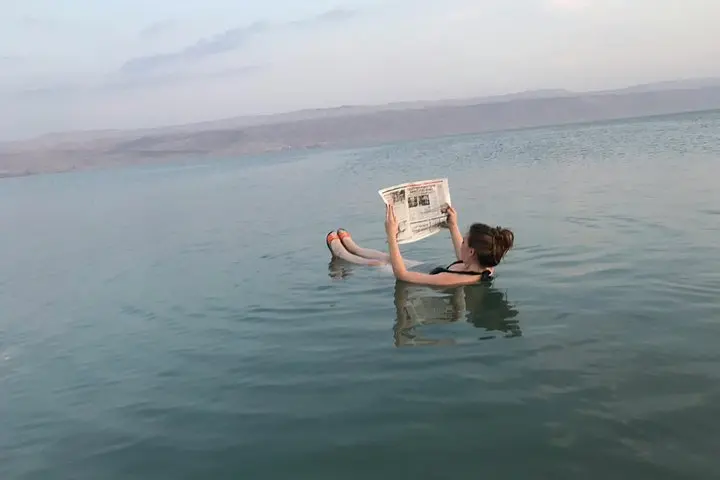
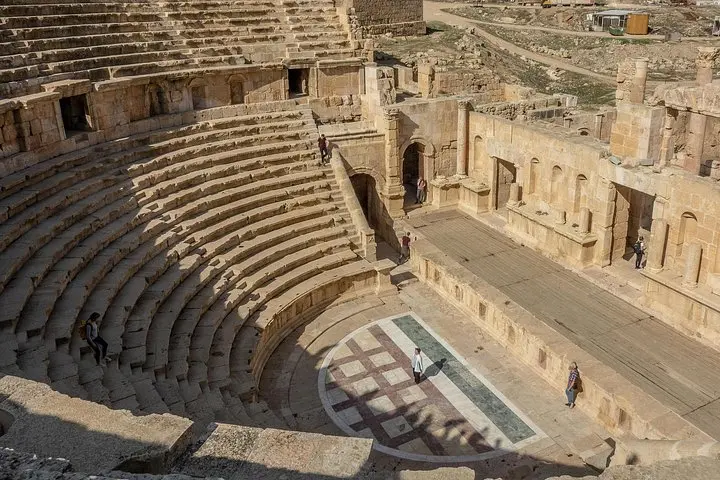
The route threads the island of history that is Jordan. Jerash opens the tour with Roman colonnades that still echo processionals from two millennia ago. Ajloun and Karak are reminders of the medieval frontier—stone fortresses perched where armies once mapped lines of power. Petra is the Nabataeans’ statement in rose rock: a city hewn, not built, with its hydraulic cunning and carved façades. Wadi Rum reads like geology in motion—sandstone arches, wind-sheared gullies and dunes that dare you to climb. The Dead Sea, meanwhile, is a geological oddity: a terminal lake saturated with minerals that make floating effortless and skin slick with therapeutic salts.
Culture threads through every stop. Madaba’s mosaics map a Byzantine world; Bedouin hosts in Wadi Rum offer stories and saffron-stained tea beneath a sky that feels too crowded with stars. The modern pulse of Amman—bustling markets, cafés, and the Citadel—gives context to the country’s deep past and contemporary vibrancy.
Practical side: this is a privately guided, door-to-door itinerary—drivers and guides handle logistics, but you’ll be on your feet. Expect long days of exploring (some sites require uphill walking or stone steps), desert jeep rides over uneven terrain, and one night in a traditional Bedouin camp under an open sky. Entry fees to major sites are generally not included—buy a Jordan Pass before arrival to streamline access and cut costs. Hydration is non-negotiable; water is provided, but carrying a refillable bottle keeps you nimble.
Timing matters. In summer start early to avoid the heat; spring and fall are sweet spots for temperate days. In winter, highland showers can make trails slick and nights chilly—pack a warm midlayer.
Respect is practical: Petra’s carved facades are soft; avoid climbing on fragile stone. Support local operators and Bedouin-run camps to ensure tourism benefits communities and funds conservation.
By the end of day five you’ll have traded isolated ruins for lived-in history, desert solitude for a salty buoyant pause, and a set of images—sun through the Siq, a firelit Bedouin circle, the Dead Sea’s mirror—that stay long after you return home.
Not required but highly recommended; the Jordan Pass includes entry to Petra and many sites and waives the single-entry visa fee for eligible nationalities.
Most major site admissions are typically not included in the base price—confirm with your operator and plan to use the Jordan Pass to cover Petra and other attractions.
Yes—this private tour is family-friendly, though some walking in Petra and on fortress grounds may be strenuous for very young children.
Expect simple but comfortable tents, shared facilities in some camps, traditional meals, and warm hospitality; specific amenities vary by operator.
Many sites have uneven ground and steps; it’s not ideal for travelers with significant mobility limitations—discuss accessibility needs with the operator ahead of time.
Jeep tours traverse rocky tracks and dunes—they can be bumpy but are suitable for most travelers; those with spinal issues should avoid them.
Baha'a operates guided outdoor trips and adventures with an emphasis on safety, stewardship, and memorable experiences.
You step out of the minivan and the air changes—dry, mineral, honest. A stone-carved gorge narrows in front of you; sun slices the Siq into ribbons of light and shadow, teasing the Treasury from its hidden seat. Over the next five days Jordan keeps offering the same trick: scale and intimacy in one sweep. Ancient columns give way to lunar red deserts, then to a sea so buoyant it resists you like an obliging force.
You step out of the minivan and the air changes—dry, mineral, honest. A stone-carved gorge narrows in front of you; sun slices the Siq into ribbons of light and shadow, teasing the Treasury from its hidden seat. Over the next five days Jordan keeps offering the same trick: scale and intimacy in one sweep. Ancient columns give way to lunar red deserts, then to a sea so buoyant it resists you like an obliging force.
The route threads the island of history that is Jordan. Jerash opens the tour with Roman colonnades that still echo processionals from two millennia ago. Ajloun and Karak are reminders of the medieval frontier—stone fortresses perched where armies once mapped lines of power. Petra is the Nabataeans’ statement in rose rock: a city hewn, not built, with its hydraulic cunning and carved façades. Wadi Rum reads like geology in motion—sandstone arches, wind-sheared gullies and dunes that dare you to climb. The Dead Sea, meanwhile, is a geological oddity: a terminal lake saturated with minerals that make floating effortless and skin slick with therapeutic salts.
Culture threads through every stop. Madaba’s mosaics map a Byzantine world; Bedouin hosts in Wadi Rum offer stories and saffron-stained tea beneath a sky that feels too crowded with stars. The modern pulse of Amman—bustling markets, cafés, and the Citadel—gives context to the country’s deep past and contemporary vibrancy.
Practical side: this is a privately guided, door-to-door itinerary—drivers and guides handle logistics, but you’ll be on your feet. Expect long days of exploring (some sites require uphill walking or stone steps), desert jeep rides over uneven terrain, and one night in a traditional Bedouin camp under an open sky. Entry fees to major sites are generally not included—buy a Jordan Pass before arrival to streamline access and cut costs. Hydration is non-negotiable; water is provided, but carrying a refillable bottle keeps you nimble.
Timing matters. In summer start early to avoid the heat; spring and fall are sweet spots for temperate days. In winter, highland showers can make trails slick and nights chilly—pack a warm midlayer.
Respect is practical: Petra’s carved facades are soft; avoid climbing on fragile stone. Support local operators and Bedouin-run camps to ensure tourism benefits communities and funds conservation.
By the end of day five you’ll have traded isolated ruins for lived-in history, desert solitude for a salty buoyant pause, and a set of images—sun through the Siq, a firelit Bedouin circle, the Dead Sea’s mirror—that stay long after you return home.