THE ADVENTURE COLLECTIVE® · Independent discovery and booking for outdoor travel

Glide downstream from Aswan to Luxor on a private 5-day Nile cruise that pairs relaxed river travel with concentrated visits to Kom Ombo, Edfu, Luxor, the Valley of the Kings and Dendera. Expect temple walks, sunset felucca rides, and an easy-paced immersion in ancient Egypt.
Glide downstream from Aswan to Luxor on a private 5-day Nile cruise that pairs relaxed river travel with concentrated visits to Kom Ombo, Edfu, Luxor, the Valley of the Kings and Dendera. Expect temple walks, sunset felucca rides, and an easy-paced immersion in ancient Egypt.
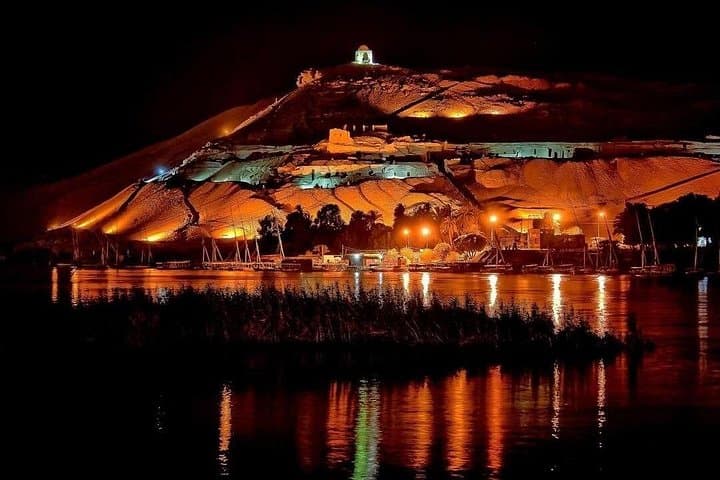
The sun lifts off the desert horizon and the Nile opens like a calm highway beneath the cruise's hull. On deck, linen curtains lift with the breeze while palm-lined banks slide past—villagers tending felucca sails, fishermen casting morning nets, and the occasional temple silhouette rising from the river’s edge.
Verified experiences and guided adventures in the surrounding area.
Operated by Get Nile Cruise · Aswan, Aswan Governorate
The sun lifts off the desert horizon and the Nile opens like a calm highway beneath the cruise's hull. On deck, linen curtains lift with the breeze while palm-lined banks slide past—villagers tending felucca sails, fishermen casting morning nets, and the occasional temple silhouette rising from the river’s edge.
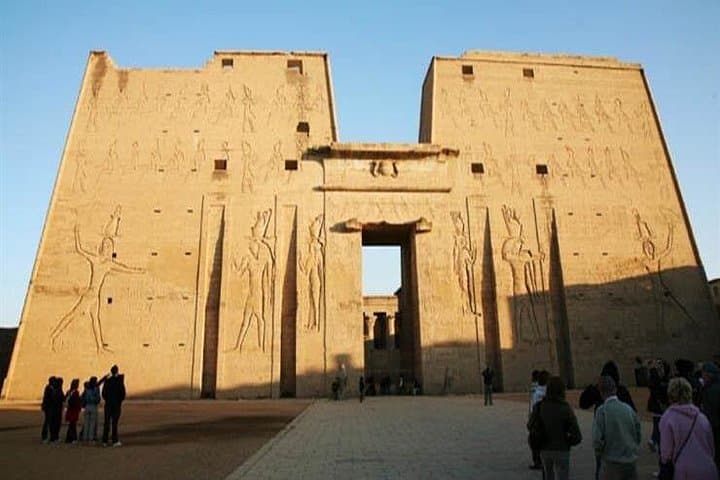
This route follows a corridor of recorded history: Aswan’s modern High Dam reshaped the river and protected ancient islands, while quarries bear the scars of pharaonic ambition, including the unfinished obelisk. Kom Ombo and Edfu reveal dual cults and remarkably preserved reliefs; Luxor closes the line with monumental processional avenues, the Valley of the Kings' painted tombs, and Dendera’s astronomical ceilings 70 km north of the city.
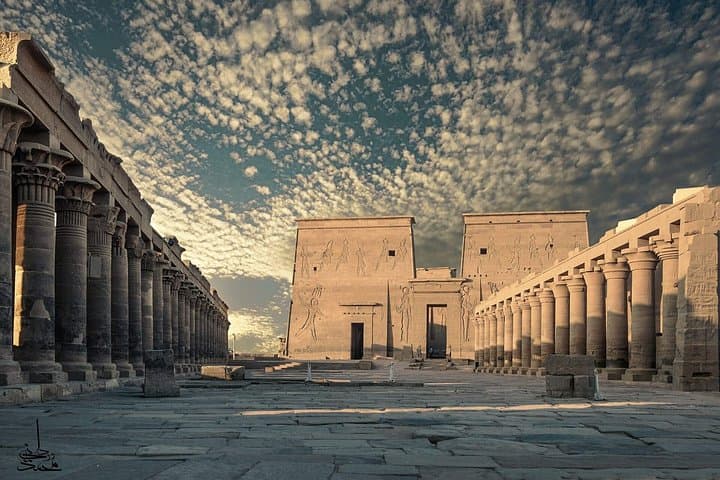
Geology here is straightforward—Nile silt plains framed by Nubian sandstone and low desert mesas—yet the human imprint is enormous. Expect guided temple walks, short drives from the boat to sites, and a mix of gentle on-board downtime and concentrated walking at archaeological sites. Culture is immediate: local guides translate myth and measurement into daily life, vendors frame their wares beside temple pylons, and meals on board balance Egyptian staples with international comfort.
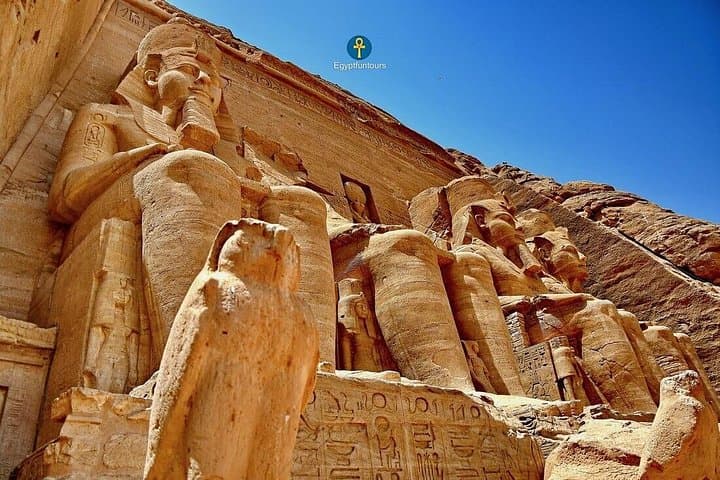
Practical notes: carry a light daypack, sun protection, and comfortable shoes with grip—temple steps are uneven. Hydrate actively; shaded seating is limited during shore visits. Plan time early or late in the day for photography—midday light is harsh. Finally, allow room in your schedule if you choose the optional Abu Simbel extension—it's a long day but deeply rewarding.
Many areas of the cruise and main decks are accessible, but some temple sites have stairs and uneven surfaces; check specific accessibility needs with the operator in advance.
Entrance fees to the mentioned sites are included only if the chosen option specifies admission; confirm at booking which sites are covered.
Yes—there's an option to upgrade for a private guide for more in-depth interpretation at the temples and tombs.
Yes—international travelers need a valid passport and typically visa for Egypt; the booking requests passport number, nationality and expiry for arrangements and ticketing.
Get Nile Cruise operates guided outdoor trips and adventures with an emphasis on safety, stewardship, and memorable experiences.
The sun lifts off the desert horizon and the Nile opens like a calm highway beneath the cruise's hull. On deck, linen curtains lift with the breeze while palm-lined banks slide past—villagers tending felucca sails, fishermen casting morning nets, and the occasional temple silhouette rising from the river’s edge.
The sun lifts off the desert horizon and the Nile opens like a calm highway beneath the cruise's hull. On deck, linen curtains lift with the breeze while palm-lined banks slide past—villagers tending felucca sails, fishermen casting morning nets, and the occasional temple silhouette rising from the river’s edge.
This route follows a corridor of recorded history: Aswan’s modern High Dam reshaped the river and protected ancient islands, while quarries bear the scars of pharaonic ambition, including the unfinished obelisk. Kom Ombo and Edfu reveal dual cults and remarkably preserved reliefs; Luxor closes the line with monumental processional avenues, the Valley of the Kings' painted tombs, and Dendera’s astronomical ceilings 70 km north of the city.
Geology here is straightforward—Nile silt plains framed by Nubian sandstone and low desert mesas—yet the human imprint is enormous. Expect guided temple walks, short drives from the boat to sites, and a mix of gentle on-board downtime and concentrated walking at archaeological sites. Culture is immediate: local guides translate myth and measurement into daily life, vendors frame their wares beside temple pylons, and meals on board balance Egyptian staples with international comfort.
Practical notes: carry a light daypack, sun protection, and comfortable shoes with grip—temple steps are uneven. Hydrate actively; shaded seating is limited during shore visits. Plan time early or late in the day for photography—midday light is harsh. Finally, allow room in your schedule if you choose the optional Abu Simbel extension—it's a long day but deeply rewarding.