THE ADVENTURE COLLECTIVE® · Independent discovery and booking for outdoor travel

Travel from Muscat through Oman’s dramatic wadis, historic forts and the Wahiba Sands on a private five-day loop. Expect canyon swims, dune drives and high‑plateau terraces with local guides and comfortable lodgings.
Travel from Muscat through Oman’s dramatic wadis, historic forts and the Wahiba Sands on a private five-day loop. Expect canyon swims, dune drives and high‑plateau terraces with local guides and comfortable lodgings.
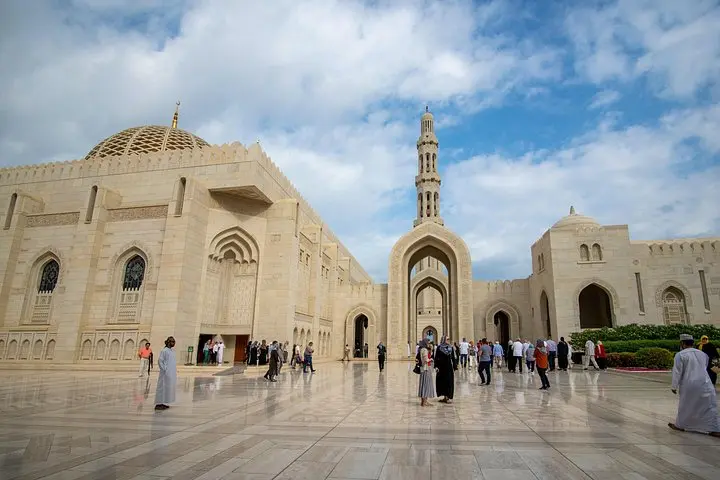
A pale dawn spills across Muscat as the private vehicle slips onto the coastal road, the Gulf to one side and the Hajar Mountains climbing like a wall to the other. Over five days this itinerary threads seaside towns, palm-lined wadis, rubbled forts and the high plateau of Jebel Akhdar—each landscape changing the light and the pace.
Verified experiences and guided adventures in the surrounding area.
Operated by Oman Tour · Muscat, Muscat Governorate
A pale dawn spills across Muscat as the private vehicle slips onto the coastal road, the Gulf to one side and the Hajar Mountains climbing like a wall to the other. Over five days this itinerary threads seaside towns, palm-lined wadis, rubbled forts and the high plateau of Jebel Akhdar—each landscape changing the light and the pace.
Oman’s story is maritime and mountain: Sur’s wooden dhows recall a seafaring economy, Nizwa and Bahla speak of fortified commerce, and the falaj irrigation that feeds terraces on Jebel Akhdar is a living piece of pre-modern engineering. Geologically the Hajar range is limestone and schist carved by episodic floods into deep wadis; downstream, the Wahiba Sands are wind-worked dune seas where sand migrates daily.
Expect practical variety. Days include drives of several hours between points, short hikes (Wadi Shab’s canyon approach is ~35 minutes over rocky footing), canyon swimming into turquoise pools and an off-road 4x4 dune run at sunset. Nights range from a desert camp under cold stars to a cool mountain hotel at 2,000 m, so layers matter.
Pack for heat, sun and variable terrain: sturdy shoes, sun protection and a warm layer for Jebel Akhdar. Carry local cash for souqs, respect conservative dress in villages and follow guides at water crossings—wadis can shift after rain. The route is private and accessible for most travelers, offering concentrated access to Oman’s natural and cultural highlights without hidden fees.
Price typically includes private transport, accommodations listed, breakfast and dinner as noted, bottled water/tea, and Wi‑Fi onboard; confirm specifics at booking.
Most days are vehicle-based with short walks—expect 20–60 minute hikes to reach pools or viewpoints; those with mobility limits can still enjoy many stops from viewpoints.
Many wadis have calm pools suitable for swimmers, but currents, submerged rocks and changing levels after rain mean following the guide’s advice and entering at designated spots is essential.
Properties vary; many hotels and the desert camp offer basic accessibility but some historical sites and mountain villages have uneven terrain—notify the operator of mobility needs before travel.
Oman Tour operates guided outdoor trips and adventures with an emphasis on safety, stewardship, and memorable experiences.
A pale dawn spills across Muscat as the private vehicle slips onto the coastal road, the Gulf to one side and the Hajar Mountains climbing like a wall to the other. Over five days this itinerary threads seaside towns, palm-lined wadis, rubbled forts and the high plateau of Jebel Akhdar—each landscape changing the light and the pace.
A pale dawn spills across Muscat as the private vehicle slips onto the coastal road, the Gulf to one side and the Hajar Mountains climbing like a wall to the other. Over five days this itinerary threads seaside towns, palm-lined wadis, rubbled forts and the high plateau of Jebel Akhdar—each landscape changing the light and the pace.
Oman’s story is maritime and mountain: Sur’s wooden dhows recall a seafaring economy, Nizwa and Bahla speak of fortified commerce, and the falaj irrigation that feeds terraces on Jebel Akhdar is a living piece of pre-modern engineering. Geologically the Hajar range is limestone and schist carved by episodic floods into deep wadis; downstream, the Wahiba Sands are wind-worked dune seas where sand migrates daily.
Expect practical variety. Days include drives of several hours between points, short hikes (Wadi Shab’s canyon approach is ~35 minutes over rocky footing), canyon swimming into turquoise pools and an off-road 4x4 dune run at sunset. Nights range from a desert camp under cold stars to a cool mountain hotel at 2,000 m, so layers matter.
Pack for heat, sun and variable terrain: sturdy shoes, sun protection and a warm layer for Jebel Akhdar. Carry local cash for souqs, respect conservative dress in villages and follow guides at water crossings—wadis can shift after rain. The route is private and accessible for most travelers, offering concentrated access to Oman’s natural and cultural highlights without hidden fees.