THE ADVENTURE COLLECTIVE® · Independent discovery and booking for outdoor travel

Drive from Arusha into Tarangire’s baobabs, sweep across the Seronera plains of the Serengeti, and descend into the wildlife-rich Ngorongoro Crater on this five-day private safari. Expect guided game drives, lodge stays, and seasonal highlights like migration sightings.
Drive from Arusha into Tarangire’s baobabs, sweep across the Seronera plains of the Serengeti, and descend into the wildlife-rich Ngorongoro Crater on this five-day private safari. Expect guided game drives, lodge stays, and seasonal highlights like migration sightings.
Dawn breaks over the highlands as you leave Arusha; the road climbs past small farms and descends into open plains where acacia shadows stretch like lines on a map. In the dusty light a 4x4 pushes forward and the landscape starts to speak—the baobabs of Tarangire loom like slow-moving guardians, the Seronera river threads the Serengeti, and the Ngorongoro Crater holds a shallow world of its own.
Verified experiences and guided adventures in the surrounding area.
Operated by Toilo Tours and Safaris · Arusha, Arusha Region
Dawn breaks over the highlands as you leave Arusha; the road climbs past small farms and descends into open plains where acacia shadows stretch like lines on a map. In the dusty light a 4x4 pushes forward and the landscape starts to speak—the baobabs of Tarangire loom like slow-moving guardians, the Seronera river threads the Serengeti, and the Ngorongoro Crater holds a shallow world of its own.
These parks are products of ancient forces: volcanic uplift created the Ngorongoro caldera, and long-term river action carved the Serengeti’s broad plains. Human history is present too—Maasai pastoralists have grazed these slopes for generations, and modern conservation efforts have shaped park boundaries and community relationships.
Across five days you’ll move by vehicle between reserves, with morning and afternoon game drives that maximize wildlife activity. Expect large elephant herds and baobabs in Tarangire, central Serengeti sightings around Seronera, and dense crater-floor populations in Ngorongoro including flamingo-fed Lake Magadi. Guides translate animal cues and local history into context, and lodges provide mid-range comfort between drives.
Practical guidance: travel light but bring binoculars and layered clothing for temperature swings. Plan for long vehicle days—motion-sickness remedies help—and keep water and sun protection ready. Park fees, timing for crater entry, and seasonal road conditions will affect daily rhythms; confirm logistics with your operator the day before each transfer. Respect speed limits and distance rules around wildlife—these protect both you and the animals.
This trip pairs quiet observation with purposeful movement: the landscape dares you to slow down and watch closely.
The migration moves through different areas—June–September is prime for northern Serengeti river crossings, while December–March sees calving in southern Serengeti; ask your operator about current migration patterns.
Confirm with your booking—park fees are sometimes included in tour packages but often collected separately; your operator should clarify before departure.
Consult your doctor—yellow fever vaccination may be required if arriving from an infected area; malaria prophylaxis is commonly recommended for northern Tanzania.
Tipping is customary; typical ranges are $10–20 per guest per day for guides and smaller amounts for lodge staff—carry small bills in USD or local currency.
Toilo Tours and Safaris operates guided outdoor trips and adventures with an emphasis on safety, stewardship, and memorable experiences.
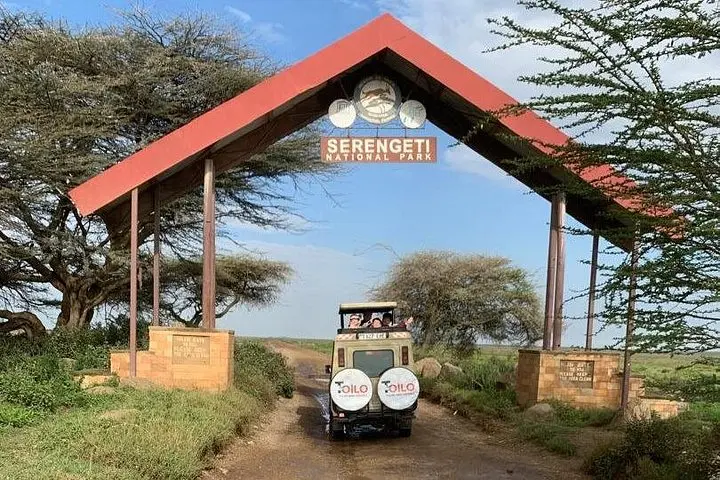
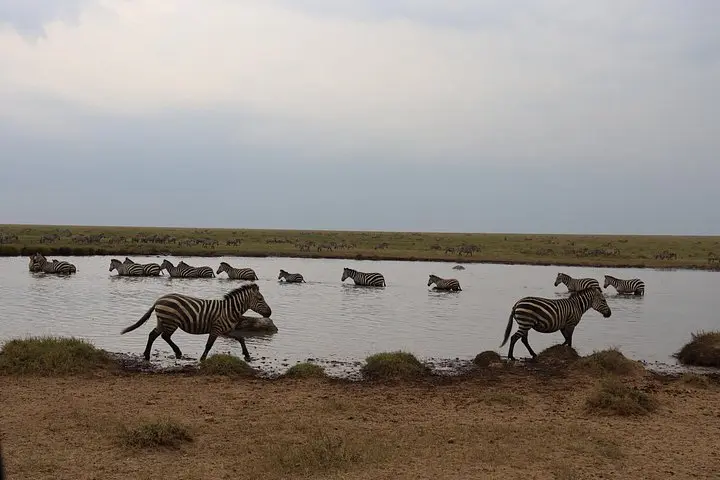
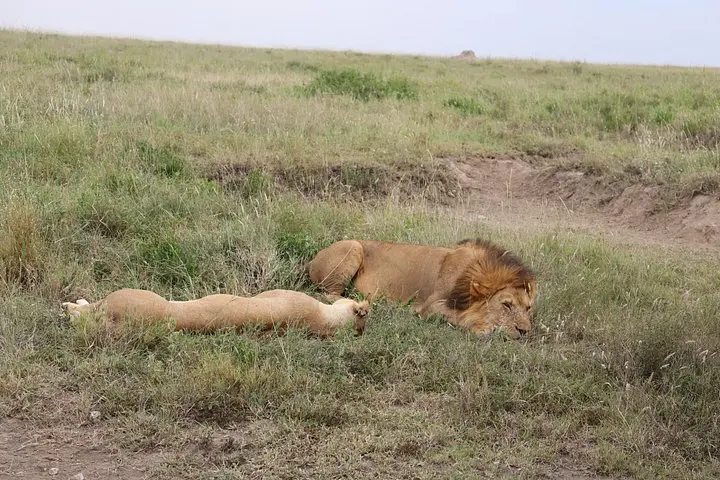
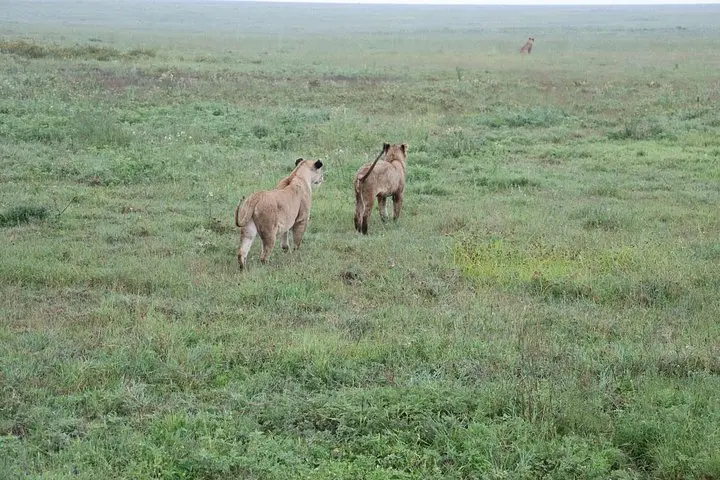
Dawn breaks over the highlands as you leave Arusha; the road climbs past small farms and descends into open plains where acacia shadows stretch like lines on a map. In the dusty light a 4x4 pushes forward and the landscape starts to speak—the baobabs of Tarangire loom like slow-moving guardians, the Seronera river threads the Serengeti, and the Ngorongoro Crater holds a shallow world of its own.
Dawn breaks over the highlands as you leave Arusha; the road climbs past small farms and descends into open plains where acacia shadows stretch like lines on a map. In the dusty light a 4x4 pushes forward and the landscape starts to speak—the baobabs of Tarangire loom like slow-moving guardians, the Seronera river threads the Serengeti, and the Ngorongoro Crater holds a shallow world of its own.
These parks are products of ancient forces: volcanic uplift created the Ngorongoro caldera, and long-term river action carved the Serengeti’s broad plains. Human history is present too—Maasai pastoralists have grazed these slopes for generations, and modern conservation efforts have shaped park boundaries and community relationships.
Across five days you’ll move by vehicle between reserves, with morning and afternoon game drives that maximize wildlife activity. Expect large elephant herds and baobabs in Tarangire, central Serengeti sightings around Seronera, and dense crater-floor populations in Ngorongoro including flamingo-fed Lake Magadi. Guides translate animal cues and local history into context, and lodges provide mid-range comfort between drives.
Practical guidance: travel light but bring binoculars and layered clothing for temperature swings. Plan for long vehicle days—motion-sickness remedies help—and keep water and sun protection ready. Park fees, timing for crater entry, and seasonal road conditions will affect daily rhythms; confirm logistics with your operator the day before each transfer. Respect speed limits and distance rules around wildlife—these protect both you and the animals.
This trip pairs quiet observation with purposeful movement: the landscape dares you to slow down and watch closely.