THE ADVENTURE COLLECTIVE® · Independent discovery and booking for outdoor travel

Five days of private game drives from Arusha take you through Arusha National Park, Lake Manyara, Ngorongoro Crater and Tarangire. Expect close wildlife viewing, full-day drives, and lodge nights with optional guided walks and photographic highlights.
Five days of private game drives from Arusha take you through Arusha National Park, Lake Manyara, Ngorongoro Crater and Tarangire. Expect close wildlife viewing, full-day drives, and lodge nights with optional guided walks and photographic highlights.
Arrive in Arusha at dawn and the air already tastes of dust and acacia smoke. Your driver-guide greets you and the 4x4 hums southward: first into Arusha National Park where Mount Meru watches over cloud forest and open plains, then through the Rift Valley toward lakes rimmed in flamingos, and finally to the sunken bowl of Ngorongoro where predators thread between grazing herds.
Verified experiences and guided adventures in the surrounding area.
Operated by Destination Specialists Limited · Arusha, Arusha Region
Arrive in Arusha at dawn and the air already tastes of dust and acacia smoke. Your driver-guide greets you and the 4x4 hums southward: first into Arusha National Park where Mount Meru watches over cloud forest and open plains, then through the Rift Valley toward lakes rimmed in flamingos, and finally to the sunken bowl of Ngorongoro where predators thread between grazing herds.
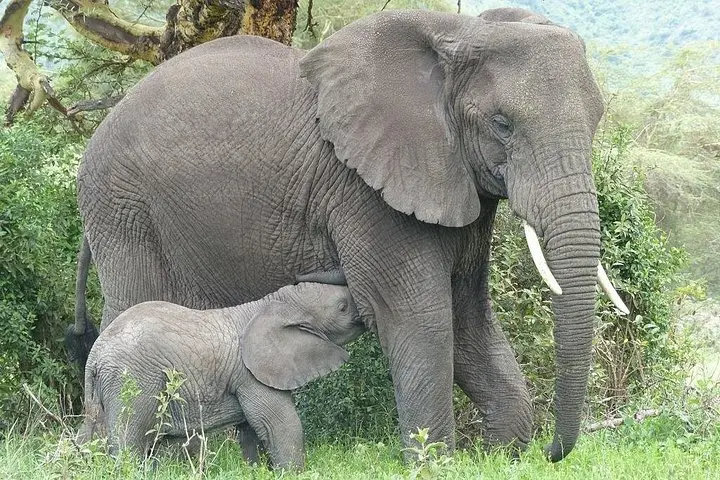
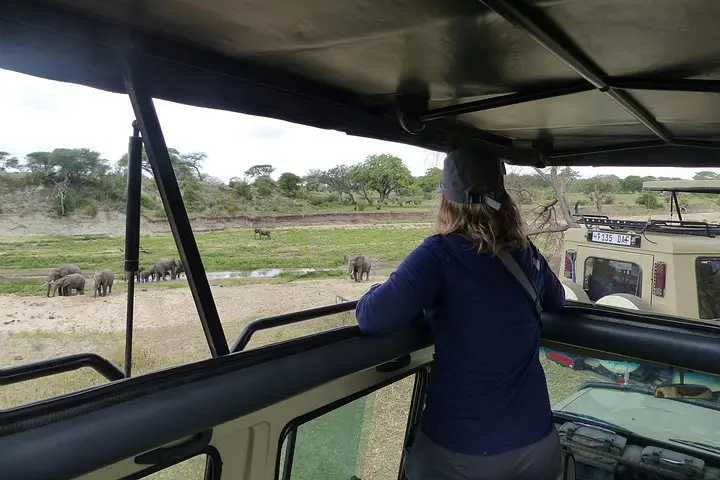
Geology and history are on view at every turn — the Ngorongoro Crater is an immense collapsed caldera, a 600m-deep arena that hosts a dense, self-contained ecosystem. Lake Manyara’s groundwater forest supports troops of baboons and colobus monkeys, while Tarangire’s broad flats punctuated by aged baobabs concentrate some of East Africa’s largest elephant herds. Cultural notes: Maasai herding lives alongside conservation areas; local tourism revenues fund community projects and park management.
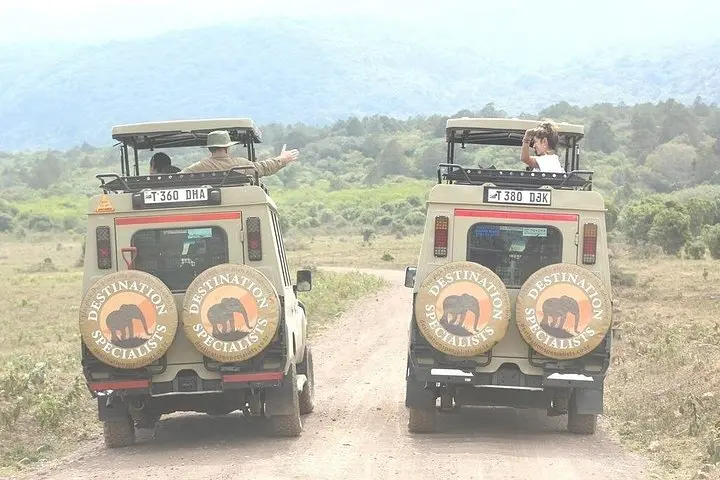
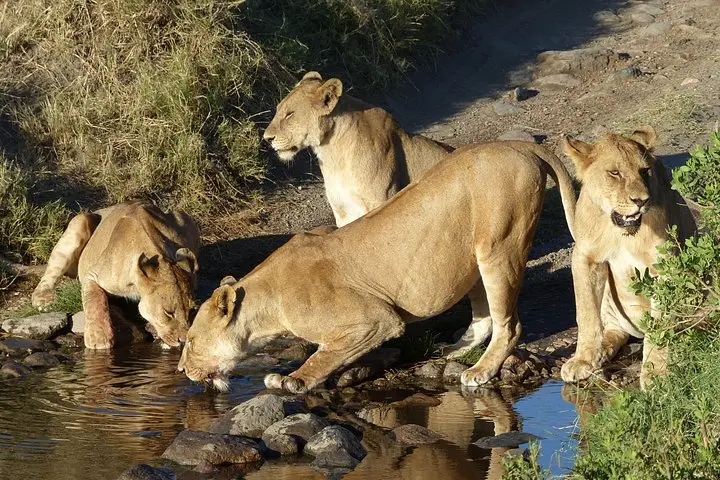
Expect full-day game drives, picnic lunches, and lodge-based evenings; sleeping is in simple inns or lodges in Arusha and Karatu. Wildlife is habitual and unpredictable — elephants may block the road, lions laze in shade, and flocks of pink flamingos stain shallow lakes.
Practical guidance: travel light but prepared—bring binoculars, layered clothes for cool crater mornings, plenty of water, sun protection, and charged camera gear. Park entry fees and optional guided walks may be extra; confirm inclusions with your operator. Tipping wildlife guides is customary. For best spotting, plan the dry season (June–October) and early starts; the landscape and animals do the rest, daring you to keep looking.
Park entry fees and conservation levies are commonly charged separately and vary by park and nationality—confirm with the operator before booking.
The itinerary accommodates families and older travelers but requires moderate mobility for getting in and out of 4x4 vehicles; infants often must sit on laps according to operator policy.
Standard travel health advice includes routine vaccinations and malaria prevention where recommended; check with a travel clinic well before departure for up-to-date guidance.
Space in safari vehicles is limited; operators typically advise soft-sided bags and a single small checked bag—confirm size and weight limits when booking.
Destination Specialists Limited operates guided outdoor trips and adventures with an emphasis on safety, stewardship, and memorable experiences.
Arrive in Arusha at dawn and the air already tastes of dust and acacia smoke. Your driver-guide greets you and the 4x4 hums southward: first into Arusha National Park where Mount Meru watches over cloud forest and open plains, then through the Rift Valley toward lakes rimmed in flamingos, and finally to the sunken bowl of Ngorongoro where predators thread between grazing herds.
Arrive in Arusha at dawn and the air already tastes of dust and acacia smoke. Your driver-guide greets you and the 4x4 hums southward: first into Arusha National Park where Mount Meru watches over cloud forest and open plains, then through the Rift Valley toward lakes rimmed in flamingos, and finally to the sunken bowl of Ngorongoro where predators thread between grazing herds.
Geology and history are on view at every turn — the Ngorongoro Crater is an immense collapsed caldera, a 600m-deep arena that hosts a dense, self-contained ecosystem. Lake Manyara’s groundwater forest supports troops of baboons and colobus monkeys, while Tarangire’s broad flats punctuated by aged baobabs concentrate some of East Africa’s largest elephant herds. Cultural notes: Maasai herding lives alongside conservation areas; local tourism revenues fund community projects and park management.
Expect full-day game drives, picnic lunches, and lodge-based evenings; sleeping is in simple inns or lodges in Arusha and Karatu. Wildlife is habitual and unpredictable — elephants may block the road, lions laze in shade, and flocks of pink flamingos stain shallow lakes.
Practical guidance: travel light but prepared—bring binoculars, layered clothes for cool crater mornings, plenty of water, sun protection, and charged camera gear. Park entry fees and optional guided walks may be extra; confirm inclusions with your operator. Tipping wildlife guides is customary. For best spotting, plan the dry season (June–October) and early starts; the landscape and animals do the rest, daring you to keep looking.