THE ADVENTURE COLLECTIVE® · Independent discovery and booking for outdoor travel

A compact five-day circuit from Calgary that pairs Banff’s winter lakes and canyon hikes with the badlands and fossils of Drumheller. Expect coach transfers, short icy walks (ice cleats provided in winter), and optional gondola or museum admissions.
A compact five-day circuit from Calgary that pairs Banff’s winter lakes and canyon hikes with the badlands and fossils of Drumheller. Expect coach transfers, short icy walks (ice cleats provided in winter), and optional gondola or museum admissions.
You step off the coach into a clean, metallic winter air and the Rockies meet you head-on: sheer canyon walls rimmed with ice, a distant glacier glinting like a pale blade. The first day’s hike to Johnston Canyon’s Upper Falls has that cinematic hush—water frozen mid-fall, the canyon narrowing into a corridor of blue shadow and bright, brittle snow.
Verified experiences and guided adventures in the surrounding area.
Operated by Westar Travel Ltd. · Calgary, Alberta
You step off the coach into a clean, metallic winter air and the Rockies meet you head-on: sheer canyon walls rimmed with ice, a distant glacier glinting like a pale blade. The first day’s hike to Johnston Canyon’s Upper Falls has that cinematic hush—water frozen mid-fall, the canyon narrowing into a corridor of blue shadow and bright, brittle snow.
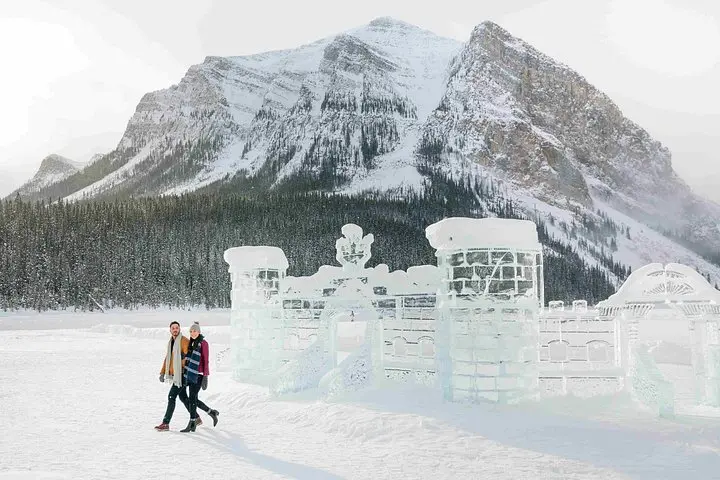
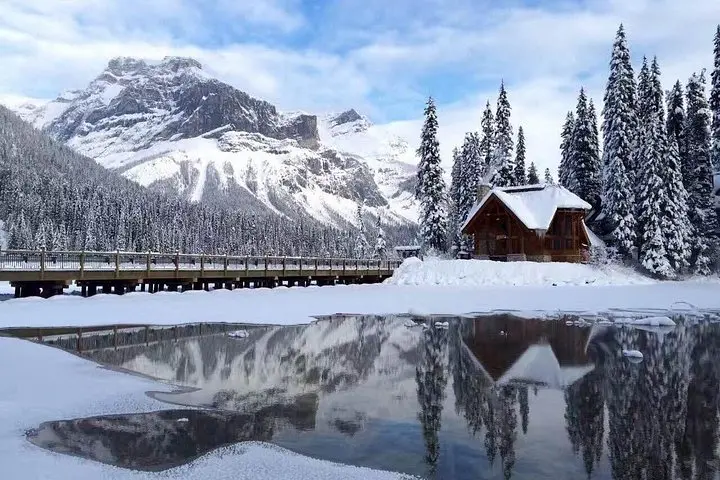
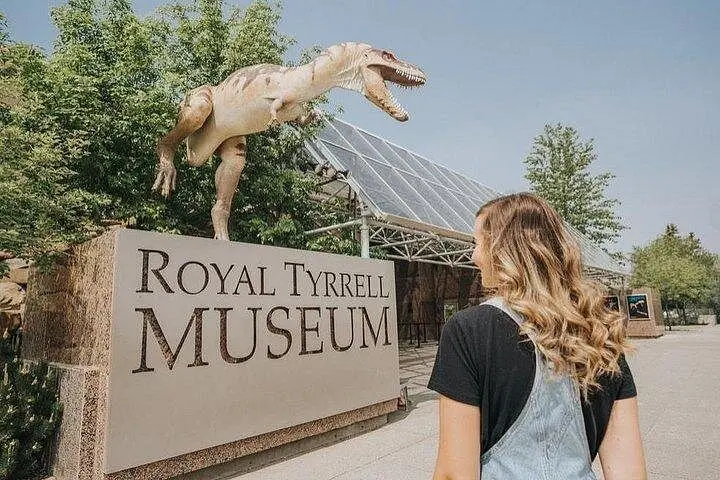
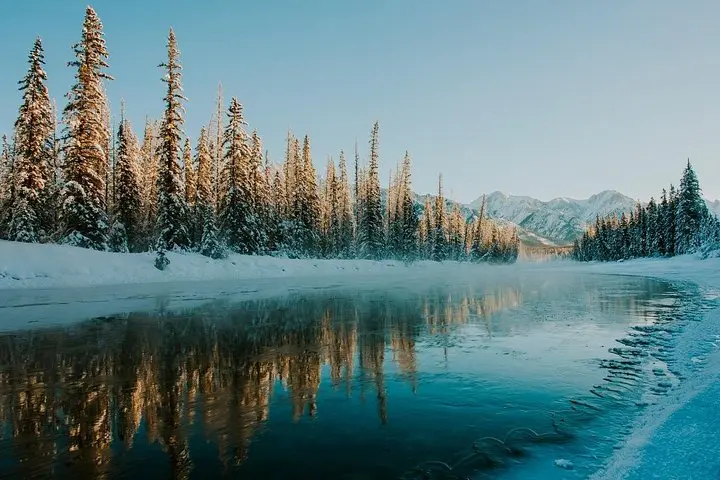
This route threads together landscapes shaped by tectonics and ice. The Canadian Pacific Railway carved access through the ranges in the late 19th century, prompting the creation of Banff National Park; glaciers still carve the high basins that feed Bow and Peyto lakes, producing the vivid blues that photographers chase. Heading east, Drumheller’s badlands expose sedimentary layers rich in dinosaur fossils—hence the Royal Tyrrell Museum—and hoodoos that science explains as differential erosion.
Culturally, the region sits on traditional territories of the Stoney Nakoda, Tsuut’ina and other Indigenous peoples; local place names and interpretive centers give context to that history.
Practical guidance: expect long days of comfortable coach travel punctuated by short, mostly easy winter walks—Johnston Canyon (≈5 km RT), Peyto viewpoint (short, icy approach) and boardwalks at Marble Canyon. Ice cleats are provided in winter but bring proper insulated boots and layered, waterproof clothing. Daily schedules are fixed; bring a daypack with water, snacks and camera, and plan for variable mountain weather—sun can be intense on clear, snowy days. If you want the Banff Gondola or museum admissions, book optional extras in advance. These five days balance scenic stops, short hikes, and cultural highlights for a concise Rockies primer.
Admission for national park visits is included on tour days that enter the parks; check your booking notes for specifics and any government free-admission announcements that may apply.
Most walks are short to moderate (Johnston Canyon ≈5 km round-trip; viewpoints are brief), suitable for travelers with moderate fitness; expect some icy sections in winter.
Ice cleats are provided in winter for safety on icy approaches, but participants should bring their own insulated boots, warm layers and a daypack.
The tour is sold as all-sales-final; cancellations are non-refundable and departures may be canceled for weather or insufficient participants with applicable notifications.
Westar Travel Ltd. operates guided outdoor trips and adventures with an emphasis on safety, stewardship, and memorable experiences.
You step off the coach into a clean, metallic winter air and the Rockies meet you head-on: sheer canyon walls rimmed with ice, a distant glacier glinting like a pale blade. The first day’s hike to Johnston Canyon’s Upper Falls has that cinematic hush—water frozen mid-fall, the canyon narrowing into a corridor of blue shadow and bright, brittle snow.
You step off the coach into a clean, metallic winter air and the Rockies meet you head-on: sheer canyon walls rimmed with ice, a distant glacier glinting like a pale blade. The first day’s hike to Johnston Canyon’s Upper Falls has that cinematic hush—water frozen mid-fall, the canyon narrowing into a corridor of blue shadow and bright, brittle snow.
This route threads together landscapes shaped by tectonics and ice. The Canadian Pacific Railway carved access through the ranges in the late 19th century, prompting the creation of Banff National Park; glaciers still carve the high basins that feed Bow and Peyto lakes, producing the vivid blues that photographers chase. Heading east, Drumheller’s badlands expose sedimentary layers rich in dinosaur fossils—hence the Royal Tyrrell Museum—and hoodoos that science explains as differential erosion.
Culturally, the region sits on traditional territories of the Stoney Nakoda, Tsuut’ina and other Indigenous peoples; local place names and interpretive centers give context to that history.
Practical guidance: expect long days of comfortable coach travel punctuated by short, mostly easy winter walks—Johnston Canyon (≈5 km RT), Peyto viewpoint (short, icy approach) and boardwalks at Marble Canyon. Ice cleats are provided in winter but bring proper insulated boots and layered, waterproof clothing. Daily schedules are fixed; bring a daypack with water, snacks and camera, and plan for variable mountain weather—sun can be intense on clear, snowy days. If you want the Banff Gondola or museum admissions, book optional extras in advance. These five days balance scenic stops, short hikes, and cultural highlights for a concise Rockies primer.