THE ADVENTURE COLLECTIVE® · Independent discovery and booking for outdoor travel

From the palm-lined beaches of Mirissa to the tea-carpeted ridges of the central highlands, this five-day private loop covers Sri Lanka’s most dramatic landscapes and cultural sites. Expect waterfalls, colonial tea estates, a heritage-packed Kandy evening and the sunrise view over Sigiriya.
From the palm-lined beaches of Mirissa to the tea-carpeted ridges of the central highlands, this five-day private loop covers Sri Lanka’s most dramatic landscapes and cultural sites. Expect waterfalls, colonial tea estates, a heritage-packed Kandy evening and the sunrise view over Sigiriya.
Dawn in Mirissa begins as the sea exhales — nets creak, fishermen steer skiffs into glassy water, and a private van eases away from the palm-fringed shore toward the island’s cool heart. By mid-morning you’re climbing into the central highlands, where the road unfurls through tiers of tea: the hills look like a living map, green ridges cleaved by rivulets and mist that dares you to keep driving.
Verified experiences and guided adventures in the surrounding area.
Operated by Mirissa Cabs · Mirissa, Southern Province
Dawn in Mirissa begins as the sea exhales — nets creak, fishermen steer skiffs into glassy water, and a private van eases away from the palm-fringed shore toward the island’s cool heart. By mid-morning you’re climbing into the central highlands, where the road unfurls through tiers of tea: the hills look like a living map, green ridges cleaved by rivulets and mist that dares you to keep driving.
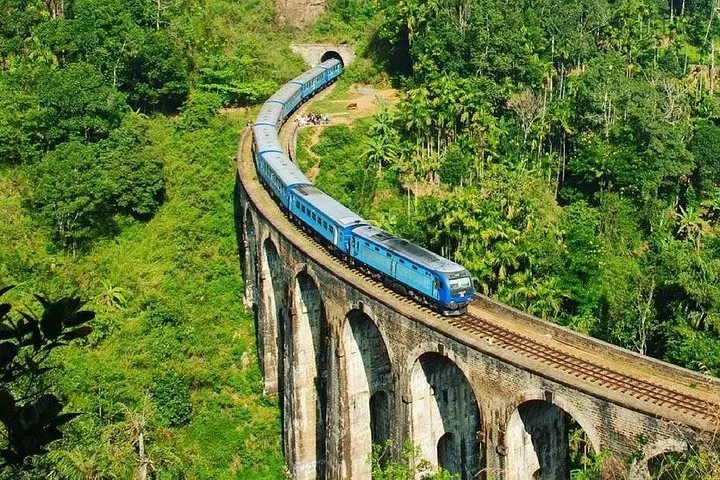
This five-day loop stitches together Sri Lanka’s headline attractions with intimate local stops. In Ella, Ravana Falls thunders off an oval rock, its spray outlining a waterfall that local folklore calls both a curtain and a secret — a place where kings, rebels and rainforest have collided for centuries. Nearby, the Nine Arch Bridge arches like a manmade cliff over tea terraces and jungle; the Demodara loop that pulls trains into a dizzying spiral is Victorian engineering meeting tropical geology.
The hill-country stretch is dominated by tea estates and the colonial imprint of the 19th-century planters. Labookellie Tea Factory still runs tasting rooms where steam-scented tours explain Ceylon’s ascent from wild mountain slopes to global commodity. Nuwara Eliya — the British hill station — sits high enough that the air tastes like apple peels and the temperature drops enough for sweaters at sunset.
Kandy brings a different rhythm: processions, incense, and the Temple of the Sacred Tooth, where a gilded casket holds a relic tied into national identity. Evenings can be given over to Kandyan dance performances — drum-heavy, agile rituals that summarize the island’s cultural grammar.
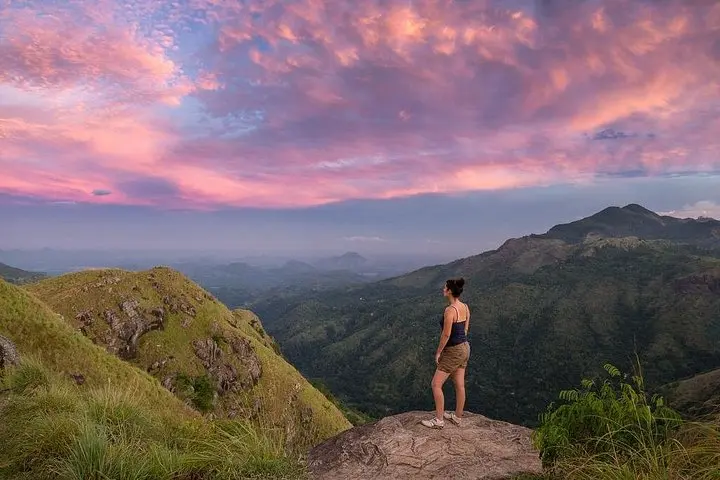
Then Sigiriya’s Lion Rock rises from lowland scrub — a 200-meter monolith threaded with frescoes, ancient water gardens and a climb that rewards you with a hard-earned panorama. For sunrise, Pidurangala offers a quieter, panoramic vantage: Sigiriya’s rugged silhouette watches back.
Practical edge: this is a private, largely road-based tour with short hikes, several paid entrances (expect roughly $7–$30 per major site), and multiple short transfers each day. Bring comfortable walking shoes for uneven temple steps and plantation paths, a light rain shell for mountain squalls, and local currency for small vendors and entrance fees. Start early: the best light for Nine Arch and Pidurangala is dawn; afternoons often bring clouds in the hills.
Beyond the itinerary, the trip is a compact education in Sri Lanka’s contrasts — coast and cloud, colonial industry and ancient kingdoms, wetlands and dry plains. Travel with curiosity and stamina: the routes are straightforward but the days are full, and each stop pays dividends if you step off the minivan and listen to the place itself.
Pickups are arranged from Mirissa hotels with about 60 minutes notice before scheduled departure; you’ll confirm a pickup point when booking.
No, most national site entrance fees (e.g., Sigiriya, Temple of the Tooth) are paid on-site; costs typically range $7–$30 per attraction.
The tour vehicle and many public areas are accessible, but several attractions (temple steps, rock climbs) are not wheelchair-friendly.
Yes—the operator notes they accommodate custom plans and will adjust stops to suit interests and pace.
Local restaurants on the route offer vegetarian, vegan and meat options; notify special dietary needs when booking for meal arrangements.
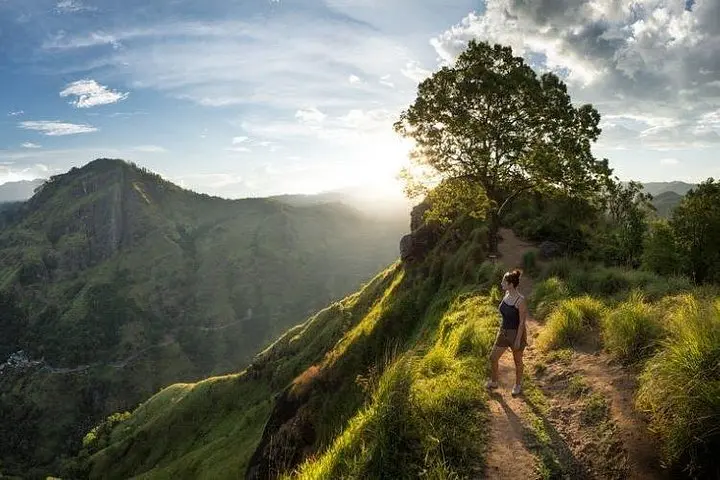
Expect short hikes and site walks—Little Adam’s Peak and Pidurangala include uphill walking of 20–60 minutes; overall activity is moderate.
Mirissa Cabs operates guided outdoor trips and adventures with an emphasis on safety, stewardship, and memorable experiences.
Dawn in Mirissa begins as the sea exhales — nets creak, fishermen steer skiffs into glassy water, and a private van eases away from the palm-fringed shore toward the island’s cool heart. By mid-morning you’re climbing into the central highlands, where the road unfurls through tiers of tea: the hills look like a living map, green ridges cleaved by rivulets and mist that dares you to keep driving.
Dawn in Mirissa begins as the sea exhales — nets creak, fishermen steer skiffs into glassy water, and a private van eases away from the palm-fringed shore toward the island’s cool heart. By mid-morning you’re climbing into the central highlands, where the road unfurls through tiers of tea: the hills look like a living map, green ridges cleaved by rivulets and mist that dares you to keep driving.
This five-day loop stitches together Sri Lanka’s headline attractions with intimate local stops. In Ella, Ravana Falls thunders off an oval rock, its spray outlining a waterfall that local folklore calls both a curtain and a secret — a place where kings, rebels and rainforest have collided for centuries. Nearby, the Nine Arch Bridge arches like a manmade cliff over tea terraces and jungle; the Demodara loop that pulls trains into a dizzying spiral is Victorian engineering meeting tropical geology.
The hill-country stretch is dominated by tea estates and the colonial imprint of the 19th-century planters. Labookellie Tea Factory still runs tasting rooms where steam-scented tours explain Ceylon’s ascent from wild mountain slopes to global commodity. Nuwara Eliya — the British hill station — sits high enough that the air tastes like apple peels and the temperature drops enough for sweaters at sunset.
Kandy brings a different rhythm: processions, incense, and the Temple of the Sacred Tooth, where a gilded casket holds a relic tied into national identity. Evenings can be given over to Kandyan dance performances — drum-heavy, agile rituals that summarize the island’s cultural grammar.
Then Sigiriya’s Lion Rock rises from lowland scrub — a 200-meter monolith threaded with frescoes, ancient water gardens and a climb that rewards you with a hard-earned panorama. For sunrise, Pidurangala offers a quieter, panoramic vantage: Sigiriya’s rugged silhouette watches back.
Practical edge: this is a private, largely road-based tour with short hikes, several paid entrances (expect roughly $7–$30 per major site), and multiple short transfers each day. Bring comfortable walking shoes for uneven temple steps and plantation paths, a light rain shell for mountain squalls, and local currency for small vendors and entrance fees. Start early: the best light for Nine Arch and Pidurangala is dawn; afternoons often bring clouds in the hills.
Beyond the itinerary, the trip is a compact education in Sri Lanka’s contrasts — coast and cloud, colonial industry and ancient kingdoms, wetlands and dry plains. Travel with curiosity and stamina: the routes are straightforward but the days are full, and each stop pays dividends if you step off the minivan and listen to the place itself.