THE ADVENTURE COLLECTIVE® · Independent discovery and booking for outdoor travel

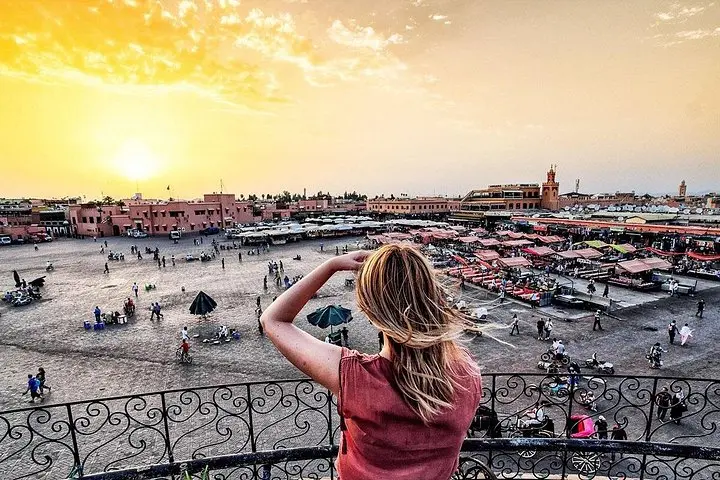
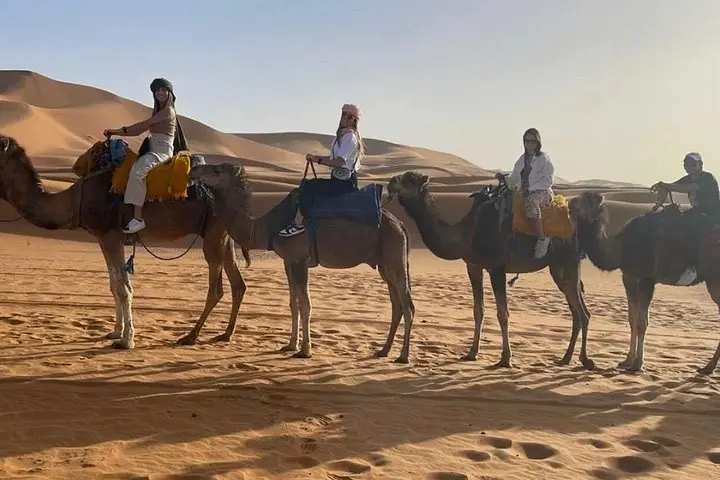
Traverse imperial cities, cedar forests and the rolling dunes of Erg Chebbi on a five-day loop from Casablanca. Expect camel treks, a night in a nomad camp under brilliant stars, and route through Dades Gorge and Marrakech.
Traverse imperial cities, cedar forests and the rolling dunes of Erg Chebbi on a five-day loop from Casablanca. Expect camel treks, a night in a nomad camp under brilliant stars, and route through Dades Gorge and Marrakech.
The first morning on the road feels deliberate: Casablanca’s ocean spray falls behind you, the Atlas foothills rise like folded pages, and by evening you’re in a riad where lantern light softens the day. Over five days this loop threads imperial cities, cedar forests, river-cut gorges and the orange ridges of Erg Chebbi, arriving at a place where the dunes move and the sky dares you to count stars.
Verified experiences and guided adventures in the surrounding area.
Operated by Morocco Tours With Locals · Merzouga, Drâa-Tafilalet
The first morning on the road feels deliberate: Casablanca’s ocean spray falls behind you, the Atlas foothills rise like folded pages, and by evening you’re in a riad where lantern light softens the day. Over five days this loop threads imperial cities, cedar forests, river-cut gorges and the orange ridges of Erg Chebbi, arriving at a place where the dunes move and the sky dares you to count stars.
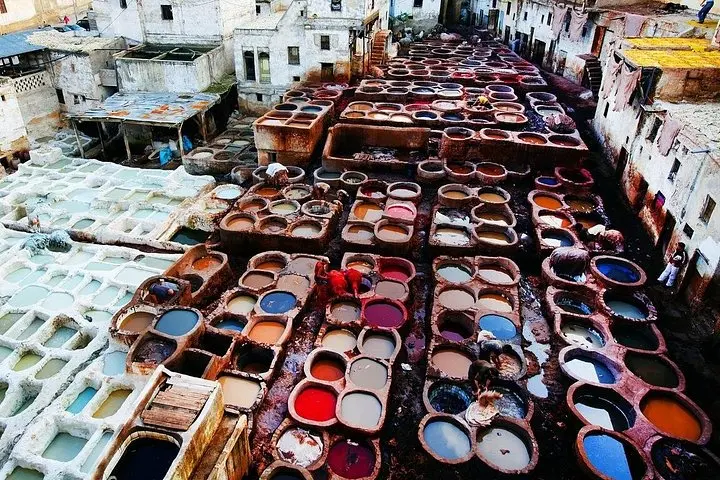
The route follows centuries of caravan and imperial travel—Roman ruins at Volubilis, the scholarly lanes of Fes, and the kasbah networks that controlled trans-Saharan trade. Geologically the Sahara here is a study in contrasts: the auburn Erg Chebbi dunes are wind-shaped quartz grains atop an ancient bedrock, while the Ziz and Draa valleys support palm oases fed by mountain springs.
Culturally, expect Berber hospitality: shared mint tea, Gnawa music in Khamlia, and simple nomad camps where storytelling is nighttime work. Birdlife gathers near desert oases; foxes and oryx trace quieter lines at dawn.
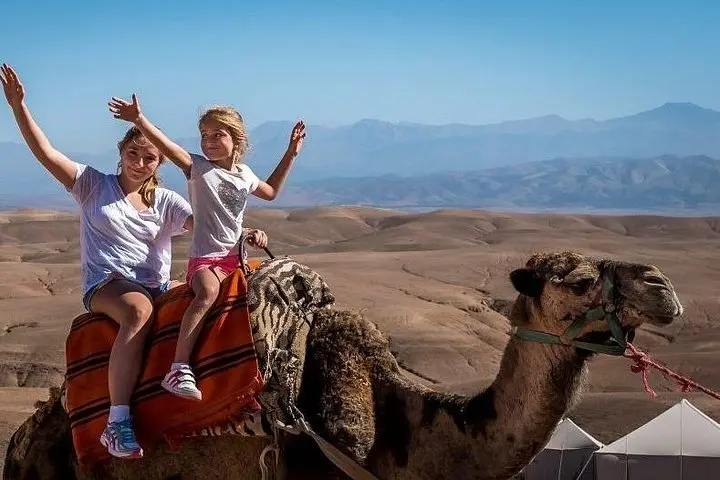
Practical guidance: pack layers—the desert is hot by day and can drop sharply after sunset. Camel trekking is low-impact but requires steady balance and closed shoes; plan for short hikes in rocky gorges and long drives over mountain passes. Carry cash for remote villages, bring sunscreen and a wide-brimmed hat, and allow travel time for unpaved sections. The schedule runs Casablanca–Rabat–Meknes–Fes, then east to Midelt and Merzouga for dunes and overnight nomad tents, returning via Dades, Ouarzazate and the High Atlas to Marrakech before transfer. For first-time desert travelers, this is an immersive, manageable introduction to Morocco’s landscapes and living cultures.
Camel treks are low-intensity and suitable for most travelers; rides last about 45–60 minutes and require basic balance—disembarking can be the trickiest part.
You’ll stay a mix of riads, hotels and a nomadic desert camp—camp comfort ranges from basic canvas tents to private tented rooms, often with communal bathrooms and shared meals.
Major stops are standard, but private tours often allow adjustments for interests or mobility needs—confirm options with the operator before booking.
No specific vaccinations are mandatory for travel within Morocco for most visitors; bring routine medications, stay hydrated, and avoid uncooked street food if you have a sensitive stomach.
Morocco Tours With Locals operates guided outdoor trips and adventures with an emphasis on safety, stewardship, and memorable experiences.
The first morning on the road feels deliberate: Casablanca’s ocean spray falls behind you, the Atlas foothills rise like folded pages, and by evening you’re in a riad where lantern light softens the day. Over five days this loop threads imperial cities, cedar forests, river-cut gorges and the orange ridges of Erg Chebbi, arriving at a place where the dunes move and the sky dares you to count stars.
The first morning on the road feels deliberate: Casablanca’s ocean spray falls behind you, the Atlas foothills rise like folded pages, and by evening you’re in a riad where lantern light softens the day. Over five days this loop threads imperial cities, cedar forests, river-cut gorges and the orange ridges of Erg Chebbi, arriving at a place where the dunes move and the sky dares you to count stars.
The route follows centuries of caravan and imperial travel—Roman ruins at Volubilis, the scholarly lanes of Fes, and the kasbah networks that controlled trans-Saharan trade. Geologically the Sahara here is a study in contrasts: the auburn Erg Chebbi dunes are wind-shaped quartz grains atop an ancient bedrock, while the Ziz and Draa valleys support palm oases fed by mountain springs.
Culturally, expect Berber hospitality: shared mint tea, Gnawa music in Khamlia, and simple nomad camps where storytelling is nighttime work. Birdlife gathers near desert oases; foxes and oryx trace quieter lines at dawn.
Practical guidance: pack layers—the desert is hot by day and can drop sharply after sunset. Camel trekking is low-impact but requires steady balance and closed shoes; plan for short hikes in rocky gorges and long drives over mountain passes. Carry cash for remote villages, bring sunscreen and a wide-brimmed hat, and allow travel time for unpaved sections. The schedule runs Casablanca–Rabat–Meknes–Fes, then east to Midelt and Merzouga for dunes and overnight nomad tents, returning via Dades, Ouarzazate and the High Atlas to Marrakech before transfer. For first-time desert travelers, this is an immersive, manageable introduction to Morocco’s landscapes and living cultures.