THE ADVENTURE COLLECTIVE® · Independent discovery and booking for outdoor travel

A five-day high-altitude trek from the Salkantay massif to Machu Picchu that crosses mountain passes, Humantay Lake, cloud forest and Inca sites. Expect demanding climbs, dramatic geology, and guided cultural context with camping support and mule logistics.
A five-day high-altitude trek from the Salkantay massif to Machu Picchu that crosses mountain passes, Humantay Lake, cloud forest and Inca sites. Expect demanding climbs, dramatic geology, and guided cultural context with camping support and mule logistics.
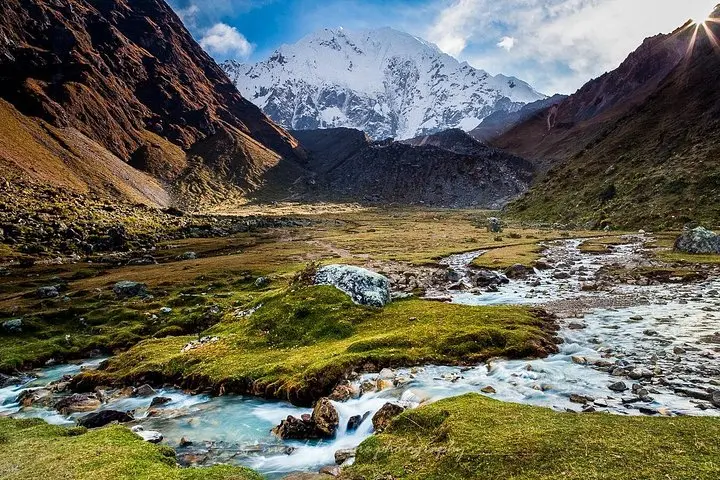
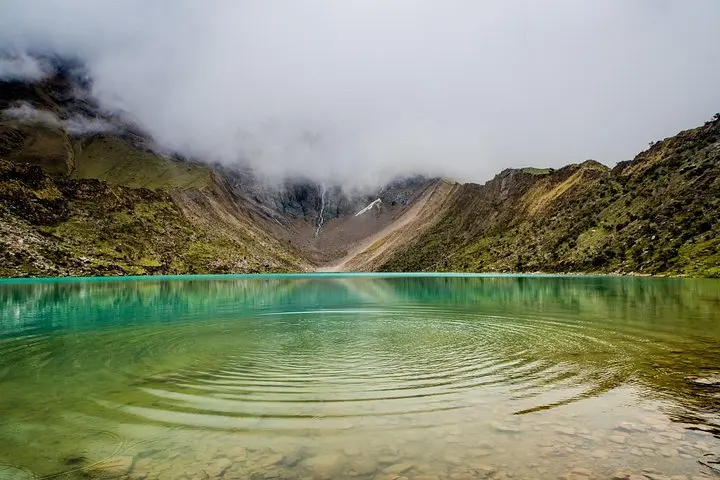
Morning air on the first day bites with thin, crystalline cold as the bus climbs out of Cusco and the Andes open their ledger of peaks. You hike from dusty highland pastures to a rim of turquoise at Humantay Lake, descend into cloud forest, and follow river canyons that seem to pull you toward Machu Picchu itself.
Verified experiences and guided adventures in the surrounding area.
Operated by Inkayni Peru Tours · Aguas Calientes (Machu Picchu Pueblo), Cusco
Morning air on the first day bites with thin, crystalline cold as the bus climbs out of Cusco and the Andes open their ledger of peaks. You hike from dusty highland pastures to a rim of turquoise at Humantay Lake, descend into cloud forest, and follow river canyons that seem to pull you toward Machu Picchu itself.
The route crosses dramatic geology: glaciated granite and volcanic ridges that thrust up Salkantay (6,264 m) and carve deep valleys leading into the Amazon watershed. The trail traces pre-Columbian and Inca pathways; Llactapata’s stone platforms still point to ancient agricultural strategies and sightlines aimed at Machu Picchu. Local Quechua culture remains visible in roadside chacras (small farms), coca-chewing porters, and traditional cuisine served at camp.
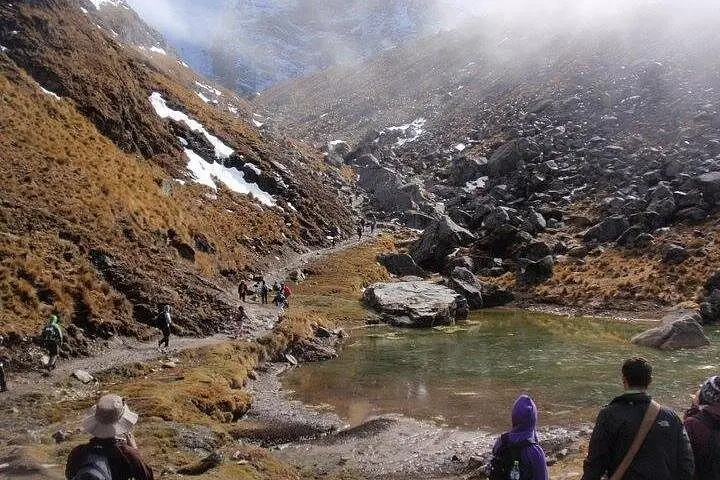
Expect altitude to shape the pace. Day two reaches the Salkantay Pass (~4,600 m), where wind edits every conversation and the peaks seem to test your legs. Then the landscape loosens—waterfalls, coffee farms and bright birds, including the cock-of-the-rock, signal the descent into the humid cloud forest.
Practical guidance: plan 2–3 days in Cusco before the trek to acclimatize; hydrate steadily and favor carbs the night before high passes. Sturdy, broken-in hiking boots, layered insulation, and a reliable rain shell are non-negotiable. Mules carry shared equipment and up to 7 kg of personal gear; pack light, because the trail rewards nimble feet. Start early on summit days to avoid afternoon weather, carry cash in Aguas Calientes for meals, and allow extra time for Machu Picchu entry queues or added Huayna Picchu permits.
Machu Picchu entry tickets are required and sold separately; the Salkantay route itself does not require a special permit beyond park fees and Machu Picchu admission.
The pass reaches about 4,600 m and includes steep switchbacks—physical exertion plus altitude make it one of the trip’s toughest sections; go slowly and hydrate.
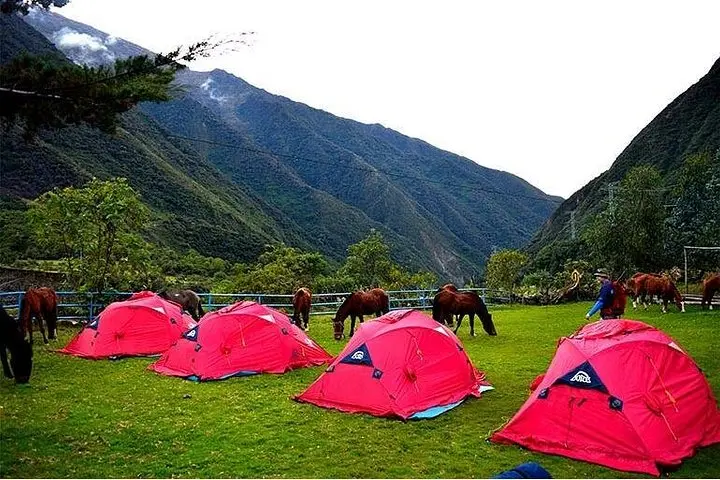
Mules transport shared camping and cooking gear and up to 7 kg of your personal items; leave valuables and excess luggage in Cusco or your hotel.
The operator sets a minimum age (often 5), but consider fitness and altitude-sensitivity—children require extra care and slower pacing.
Inkayni Peru Tours operates guided outdoor trips and adventures with an emphasis on safety, stewardship, and memorable experiences.
Morning air on the first day bites with thin, crystalline cold as the bus climbs out of Cusco and the Andes open their ledger of peaks. You hike from dusty highland pastures to a rim of turquoise at Humantay Lake, descend into cloud forest, and follow river canyons that seem to pull you toward Machu Picchu itself.
Morning air on the first day bites with thin, crystalline cold as the bus climbs out of Cusco and the Andes open their ledger of peaks. You hike from dusty highland pastures to a rim of turquoise at Humantay Lake, descend into cloud forest, and follow river canyons that seem to pull you toward Machu Picchu itself.
The route crosses dramatic geology: glaciated granite and volcanic ridges that thrust up Salkantay (6,264 m) and carve deep valleys leading into the Amazon watershed. The trail traces pre-Columbian and Inca pathways; Llactapata’s stone platforms still point to ancient agricultural strategies and sightlines aimed at Machu Picchu. Local Quechua culture remains visible in roadside chacras (small farms), coca-chewing porters, and traditional cuisine served at camp.
Expect altitude to shape the pace. Day two reaches the Salkantay Pass (~4,600 m), where wind edits every conversation and the peaks seem to test your legs. Then the landscape loosens—waterfalls, coffee farms and bright birds, including the cock-of-the-rock, signal the descent into the humid cloud forest.
Practical guidance: plan 2–3 days in Cusco before the trek to acclimatize; hydrate steadily and favor carbs the night before high passes. Sturdy, broken-in hiking boots, layered insulation, and a reliable rain shell are non-negotiable. Mules carry shared equipment and up to 7 kg of personal gear; pack light, because the trail rewards nimble feet. Start early on summit days to avoid afternoon weather, carry cash in Aguas Calientes for meals, and allow extra time for Machu Picchu entry queues or added Huayna Picchu permits.