THE ADVENTURE COLLECTIVE® · Independent discovery and booking for outdoor travel

A five-day alternative to the Inca Trail, the Salkantay Trek combines a high glacial pass with cloud-forest descents, coffee farms and a final arrival at Machu Picchu. Expect a challenging high-altitude hike with camping, dramatic scenery and cultural touchpoints along the way.
A five-day alternative to the Inca Trail, the Salkantay Trek combines a high glacial pass with cloud-forest descents, coffee farms and a final arrival at Machu Picchu. Expect a challenging high-altitude hike with camping, dramatic scenery and cultural touchpoints along the way.
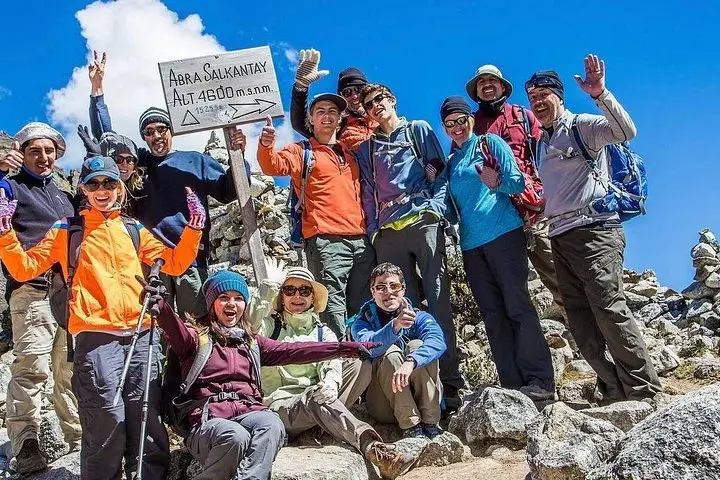
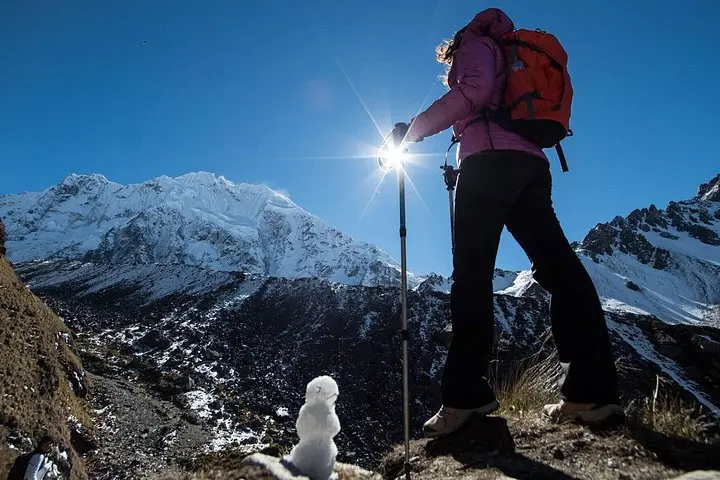
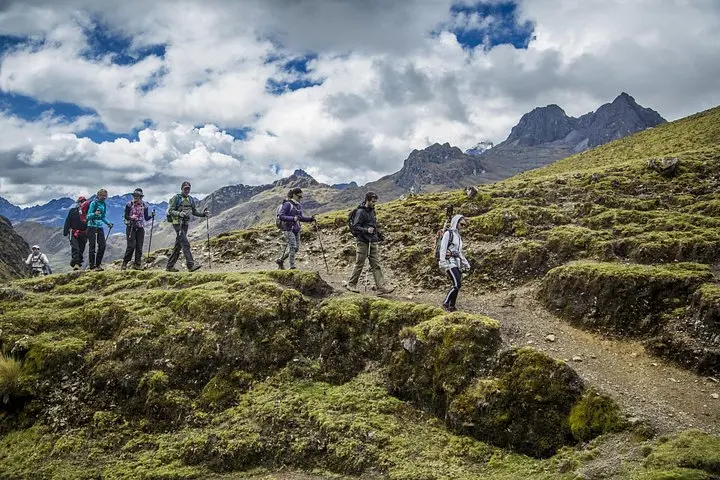
High on the western flank of the Peruvian Andes, the Salkantay Trek opens with a raw clarity: wind-licked lawns of puna, jagged moraines dusted with snow, then a green, dripping world of cloud forest as the trail descends. Mornings begin early—headlamps, steaming breath and the steady rhythm of boots—building to the decisive climb over the Salkantay Pass at about 4,650 m.
Verified experiences and guided adventures in the surrounding area.
Operated by Trails to Machu Picchu · Cusco, Cusco Region
High on the western flank of the Peruvian Andes, the Salkantay Trek opens with a raw clarity: wind-licked lawns of puna, jagged moraines dusted with snow, then a green, dripping world of cloud forest as the trail descends. Mornings begin early—headlamps, steaming breath and the steady rhythm of boots—building to the decisive climb over the Salkantay Pass at about 4,650 m.
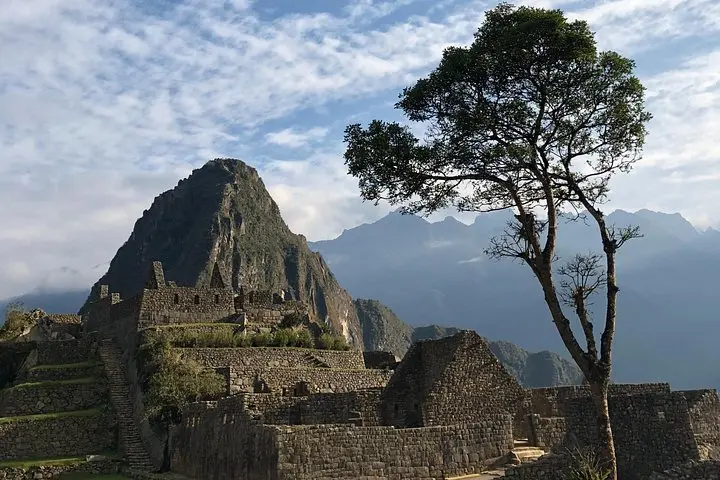
This route threads roughly 55 km (≈34 miles) of varied geology: glacial cirques and polished bedrock at high elevation give way to volcanic-tilted valleys and fertile terraces lower down. Salkantay (from Quechua, often translated as a 'wild' or powerful mountain) figured in local cosmology long before it was a modern trekking route; today hikers pass Quechua hamlets, coffee plantations near La Playa and the under-visited Llactapata ruins, which offer a distant line-of-sight to Machu Picchu.
Practically, the trek packs one hard ascent and several long descents across mixed terrain—rocky switchbacks, muddy cloud-forest trails and maintenance-track alongside rail toward Aguas Calientes. Organised groups usually include camping, kitchen staff and a final hotel night in Aguas Calientes. Acclimatize in Cusco for 48–72 hours if possible, expect cold nights and rapid weather swings, and carry layered clothing, water treatment and a good sleeping bag. Aim for the dry season (May–September) for firmer trails; leave time for the morning bus into Machu Picchu to avoid crowds and verify train schedules when planning your return.
No single national permit is required for the Salkantay route itself, but you must have an entry ticket for Machu Picchu—organisers usually handle that for the group.
The Salkantay Pass at about 4,650 m is a strenuous, sustained climb; hikers should be adapted to altitude and move at a steady pace with frequent breaks.
Yes—on most organized 5-day departures camping equipment (tents, dining tent, sleeping mats) and meals are provided; confirm specifics with the operator.
Technically possible but not recommended—guides manage route choices, porters, logistics and Machu Picchu paperwork, and trail signage can be limited in remote sections.
Trails to Machu Picchu operates guided outdoor trips and adventures with an emphasis on safety, stewardship, and memorable experiences.
High on the western flank of the Peruvian Andes, the Salkantay Trek opens with a raw clarity: wind-licked lawns of puna, jagged moraines dusted with snow, then a green, dripping world of cloud forest as the trail descends. Mornings begin early—headlamps, steaming breath and the steady rhythm of boots—building to the decisive climb over the Salkantay Pass at about 4,650 m.
High on the western flank of the Peruvian Andes, the Salkantay Trek opens with a raw clarity: wind-licked lawns of puna, jagged moraines dusted with snow, then a green, dripping world of cloud forest as the trail descends. Mornings begin early—headlamps, steaming breath and the steady rhythm of boots—building to the decisive climb over the Salkantay Pass at about 4,650 m.
This route threads roughly 55 km (≈34 miles) of varied geology: glacial cirques and polished bedrock at high elevation give way to volcanic-tilted valleys and fertile terraces lower down. Salkantay (from Quechua, often translated as a 'wild' or powerful mountain) figured in local cosmology long before it was a modern trekking route; today hikers pass Quechua hamlets, coffee plantations near La Playa and the under-visited Llactapata ruins, which offer a distant line-of-sight to Machu Picchu.
Practically, the trek packs one hard ascent and several long descents across mixed terrain—rocky switchbacks, muddy cloud-forest trails and maintenance-track alongside rail toward Aguas Calientes. Organised groups usually include camping, kitchen staff and a final hotel night in Aguas Calientes. Acclimatize in Cusco for 48–72 hours if possible, expect cold nights and rapid weather swings, and carry layered clothing, water treatment and a good sleeping bag. Aim for the dry season (May–September) for firmer trails; leave time for the morning bus into Machu Picchu to avoid crowds and verify train schedules when planning your return.