THE ADVENTURE COLLECTIVE® · Independent discovery and booking for outdoor travel

A five-day circuit through Samburu and Meru combines arid riverine wildlife, elephant and zebra migrations, and the conservation history of Joy and George Adamson. Expect early game drives, long drives between parks, and mid-range tented camps with full board.
A five-day circuit through Samburu and Meru combines arid riverine wildlife, elephant and zebra migrations, and the conservation history of Joy and George Adamson. Expect early game drives, long drives between parks, and mid-range tented camps with full board.
Dawn breaks over the scrubby ridges north of the Equator, light washing the acacia crowns as a line of elephants ghosts toward the brown ribbon of the Ewaso Ng'iro. The air smells of dust and wild grass; your guide eases the Land Cruiser along a game track and the day begins in earnest.
Verified experiences and guided adventures in the surrounding area.
Operated by PONGEZI AFRICA SAFARIS · Samburu County, Samburu County
Dawn breaks over the scrubby ridges north of the Equator, light washing the acacia crowns as a line of elephants ghosts toward the brown ribbon of the Ewaso Ng'iro. The air smells of dust and wild grass; your guide eases the Land Cruiser along a game track and the day begins in earnest.
This five-day circuit moves from Samburu National Reserve—semi-arid country home to the region’s signature species like the reticulated giraffe and gerenuk—into Meru National Park, a wetter landscape once frequented by conservationists Joy and George Adamson. Geology here shifts from low basalt plains and riverine galleries to swamp-fed woodlands in Meru, where baobabs punctuate the skyline and black and white rhinoceros find refuge in hidden marshes.
Culturally the route crosses pastoral Samburu communities whose livestock rhythms still map the seasons, and agricultural highlands where coffee and avocados grow on Mount Kenya’s slopes.
Practical guidance: expect long drives between parks (3–6 hours), dusty roads that can turn muddy in rains, and early-morning game drives when predators and grazers are most active. Camps are mid-range tented lodges with meal service included; bring layered clothing for cool mornings, a good zoom lens for wildlife photography, and a compact rain shell for occasional downpours.
Timing your visit for the dry months improves wildlife visibility and river crossings. Respect local guides, keep distance from animals, and pack reusable water and sun protection to minimize your footprint on these fragile ecosystems.
Yellow fever vaccination may be required if arriving from affected countries; routine vaccinations and malaria prophylaxis are recommended—check with your travel clinic.
Drives typically last 3–6 hours combined between morning and afternoon sessions, with breaks for meals and rest at camp.
Park entry and conservation fees are commonly included by tour operator—confirm on booking as some itineraries list them separately.
Yes—private tours and family accommodations are available, but children should be prepared for long vehicle hours and dusty conditions.
PONGEZI AFRICA SAFARIS operates guided outdoor trips and adventures with an emphasis on safety, stewardship, and memorable experiences.
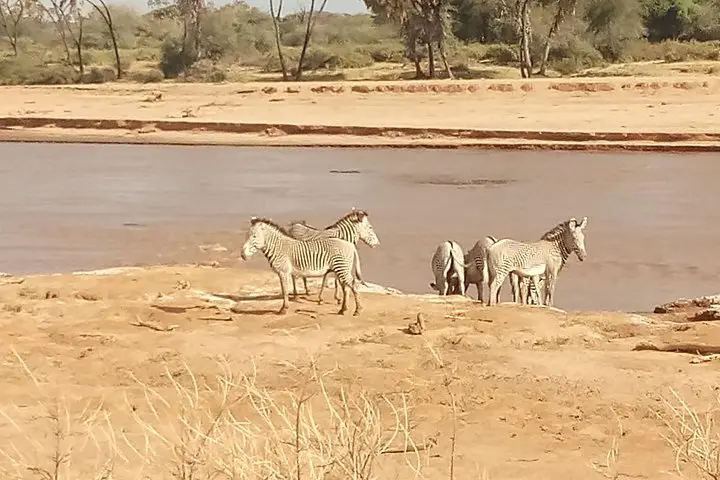
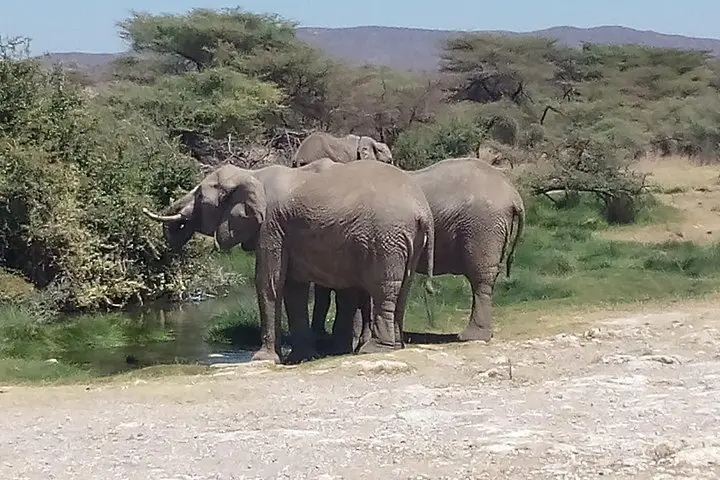
Dawn breaks over the scrubby ridges north of the Equator, light washing the acacia crowns as a line of elephants ghosts toward the brown ribbon of the Ewaso Ng'iro. The air smells of dust and wild grass; your guide eases the Land Cruiser along a game track and the day begins in earnest.
Dawn breaks over the scrubby ridges north of the Equator, light washing the acacia crowns as a line of elephants ghosts toward the brown ribbon of the Ewaso Ng'iro. The air smells of dust and wild grass; your guide eases the Land Cruiser along a game track and the day begins in earnest.
This five-day circuit moves from Samburu National Reserve—semi-arid country home to the region’s signature species like the reticulated giraffe and gerenuk—into Meru National Park, a wetter landscape once frequented by conservationists Joy and George Adamson. Geology here shifts from low basalt plains and riverine galleries to swamp-fed woodlands in Meru, where baobabs punctuate the skyline and black and white rhinoceros find refuge in hidden marshes.
Culturally the route crosses pastoral Samburu communities whose livestock rhythms still map the seasons, and agricultural highlands where coffee and avocados grow on Mount Kenya’s slopes.
Practical guidance: expect long drives between parks (3–6 hours), dusty roads that can turn muddy in rains, and early-morning game drives when predators and grazers are most active. Camps are mid-range tented lodges with meal service included; bring layered clothing for cool mornings, a good zoom lens for wildlife photography, and a compact rain shell for occasional downpours.
Timing your visit for the dry months improves wildlife visibility and river crossings. Respect local guides, keep distance from animals, and pack reusable water and sun protection to minimize your footprint on these fragile ecosystems.