THE ADVENTURE COLLECTIVE® · Independent discovery and booking for outdoor travel

A sharp pre-dawn climb onto the Singalila Ridge delivers Himalayan views of Kanchenjunga and Everest. This 4–6 day Sandakphu trek combines rhododendron forests, simple mountain huts, and a classic high-ridge sunrise.
A sharp pre-dawn climb onto the Singalila Ridge delivers Himalayan views of Kanchenjunga and Everest. This 4–6 day Sandakphu trek combines rhododendron forests, simple mountain huts, and a classic high-ridge sunrise.
You reach the Singalila Ridge before dawn, headlamp cutting a narrow arc through rhododendron and magnolia, and the highest peaks of Nepal and Sikkim begin to reveal themselves like a slow, stunned audience. Sandakphu sits at roughly 3,636 m (12,000 ft) on the West Bengal–Nepal border; from its summit the Himalaya line up — Kanchenjunga to the east, the Everest massif farther north — offering one of the clearest ridge panoramas in the eastern Himalaya.
Verified experiences and guided adventures in the surrounding area.
Operated by IMPRESSION TOURISM SERVICES (INDIA) PVT. LTD. · Maneybhanjang, West Bengal
You reach the Singalila Ridge before dawn, headlamp cutting a narrow arc through rhododendron and magnolia, and the highest peaks of Nepal and Sikkim begin to reveal themselves like a slow, stunned audience. Sandakphu sits at roughly 3,636 m (12,000 ft) on the West Bengal–Nepal border; from its summit the Himalaya line up — Kanchenjunga to the east, the Everest massif farther north — offering one of the clearest ridge panoramas in the eastern Himalaya.
The trail follows historic mule tracks and old porter routes that connected Darjeeling to Nepalese hamlets. Geologically the Singalila Ridge is a folded, forested spine of the Lower Himalaya, its soils shallow and prone to erosion where the trail narrows. Culturally the route threads through Lepcha and Nepali-influenced villages, with tea-garden views dropping into the plains on clear days.
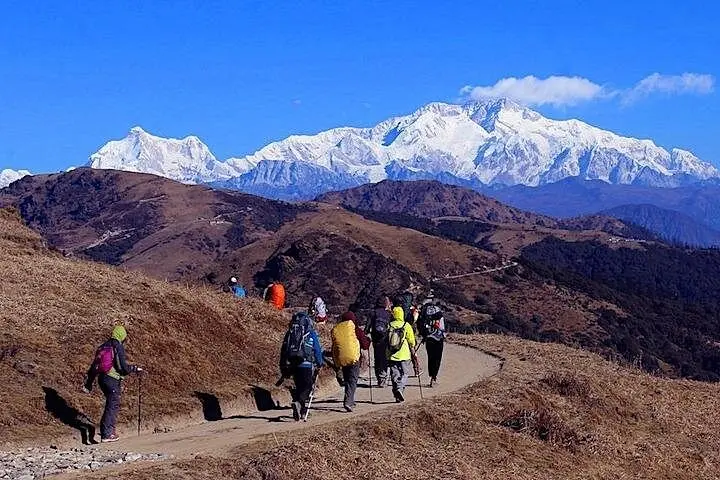
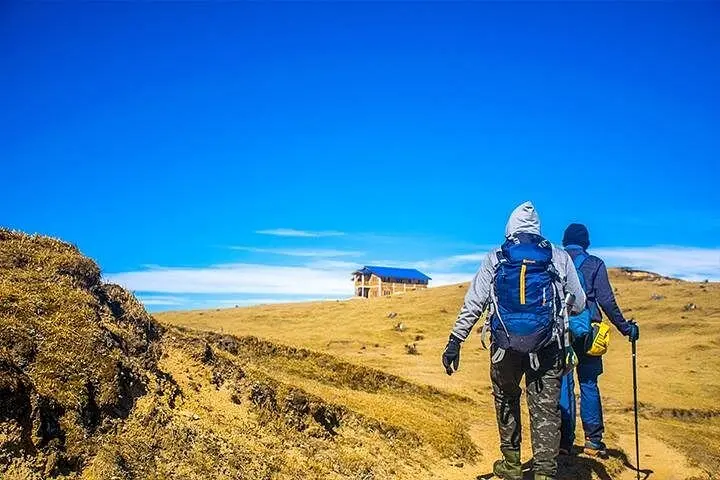
Expect mixed terrain: steeps of packed earth, stone steps, occasional muddy stretches after rain, and cool alpine meadows near the top. Typical programs run 4–6 days starting from Maneybhanjang; daily mileage is moderate but cumulative altitude gain demands sensible pacing. Singalila National Park requires permits and enforces waste rules — huts and small lodges serve as the main overnight options rather than luxury lodges.
Practical essentials: time your summit push for sunrise, carry layers for 0–10°C nights, and keep a focused hydration and altitude plan. Good trekking boots, a light down jacket, and trekking poles materially reduce strain on steep descents. Respect park rules, pack out what you pack in, and allow a day buffer for weather or acclimatization — the view rewards the discipline.
Yes — entry and camping permits are required within Singalila National Park; these are typically handled by your operator or can be obtained at the park entrance.
October to May offers the clearest mountain visibility and most stable weather; monsoon months (June–September) bring heavy rain and leeches.
Sandakphu is about 3,636 m (12,000 ft); altitude sickness is possible—ascend slowly, hydrate, and watch for symptoms.
Simple guesthouses, trekkers' huts and small lodges are standard; expect basic heating, shared bathrooms, and communal meals.
IMPRESSION TOURISM SERVICES (INDIA) PVT. LTD. operates guided outdoor trips and adventures with an emphasis on safety, stewardship, and memorable experiences.
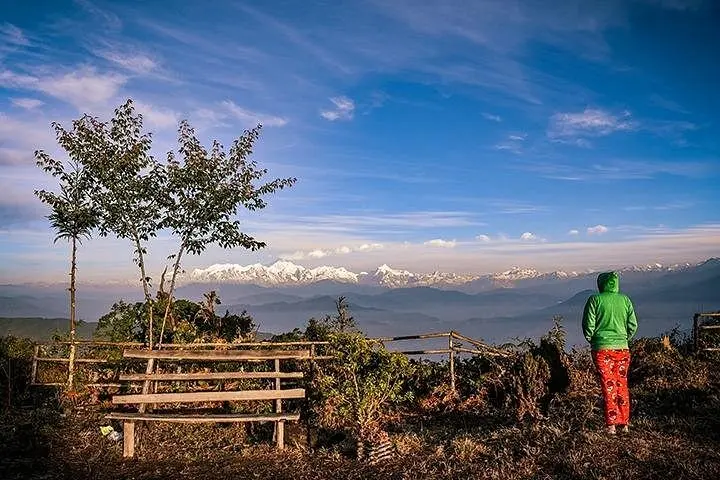
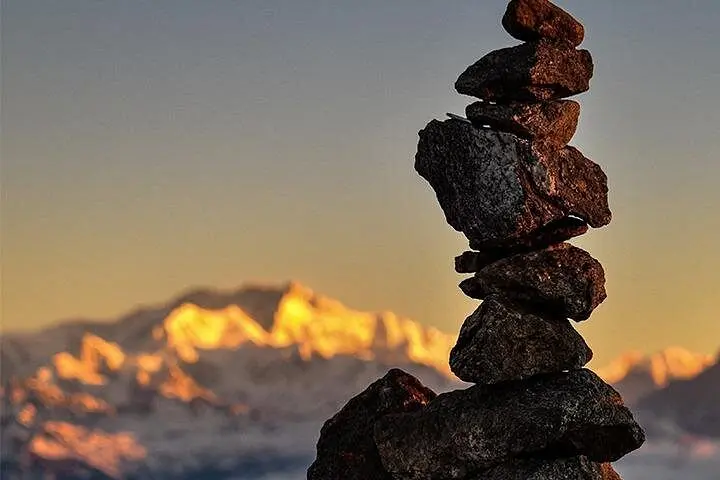
You reach the Singalila Ridge before dawn, headlamp cutting a narrow arc through rhododendron and magnolia, and the highest peaks of Nepal and Sikkim begin to reveal themselves like a slow, stunned audience. Sandakphu sits at roughly 3,636 m (12,000 ft) on the West Bengal–Nepal border; from its summit the Himalaya line up — Kanchenjunga to the east, the Everest massif farther north — offering one of the clearest ridge panoramas in the eastern Himalaya.
You reach the Singalila Ridge before dawn, headlamp cutting a narrow arc through rhododendron and magnolia, and the highest peaks of Nepal and Sikkim begin to reveal themselves like a slow, stunned audience. Sandakphu sits at roughly 3,636 m (12,000 ft) on the West Bengal–Nepal border; from its summit the Himalaya line up — Kanchenjunga to the east, the Everest massif farther north — offering one of the clearest ridge panoramas in the eastern Himalaya.
The trail follows historic mule tracks and old porter routes that connected Darjeeling to Nepalese hamlets. Geologically the Singalila Ridge is a folded, forested spine of the Lower Himalaya, its soils shallow and prone to erosion where the trail narrows. Culturally the route threads through Lepcha and Nepali-influenced villages, with tea-garden views dropping into the plains on clear days.
Expect mixed terrain: steeps of packed earth, stone steps, occasional muddy stretches after rain, and cool alpine meadows near the top. Typical programs run 4–6 days starting from Maneybhanjang; daily mileage is moderate but cumulative altitude gain demands sensible pacing. Singalila National Park requires permits and enforces waste rules — huts and small lodges serve as the main overnight options rather than luxury lodges.
Practical essentials: time your summit push for sunrise, carry layers for 0–10°C nights, and keep a focused hydration and altitude plan. Good trekking boots, a light down jacket, and trekking poles materially reduce strain on steep descents. Respect park rules, pack out what you pack in, and allow a day buffer for weather or acclimatization — the view rewards the discipline.