THE ADVENTURE COLLECTIVE® · Independent discovery and booking for outdoor travel

Five days designed for student groups that blend Krakow’s medieval streets, a subterranean visit to Wieliczka Salt Mine, a solemn Auschwitz-Birkenau tour and two nights in a rural Polish village. Expect active days, hands-on countryside workshops and culturally rich guided walks.
Five days designed for student groups that blend Krakow’s medieval streets, a subterranean visit to Wieliczka Salt Mine, a solemn Auschwitz-Birkenau tour and two nights in a rural Polish village. Expect active days, hands-on countryside workshops and culturally rich guided walks.
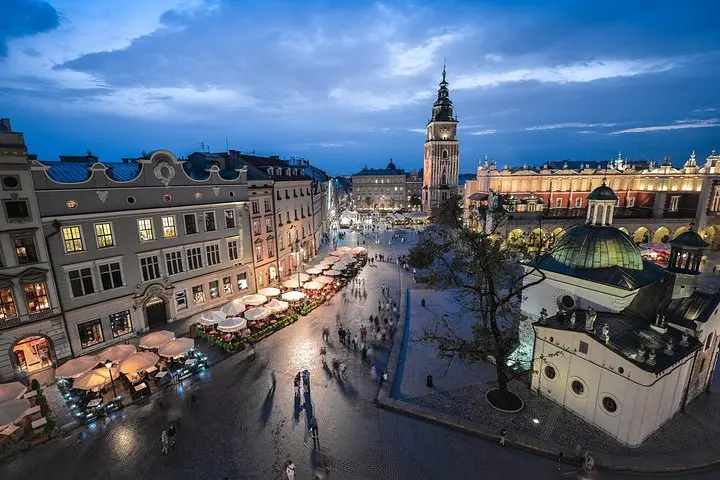
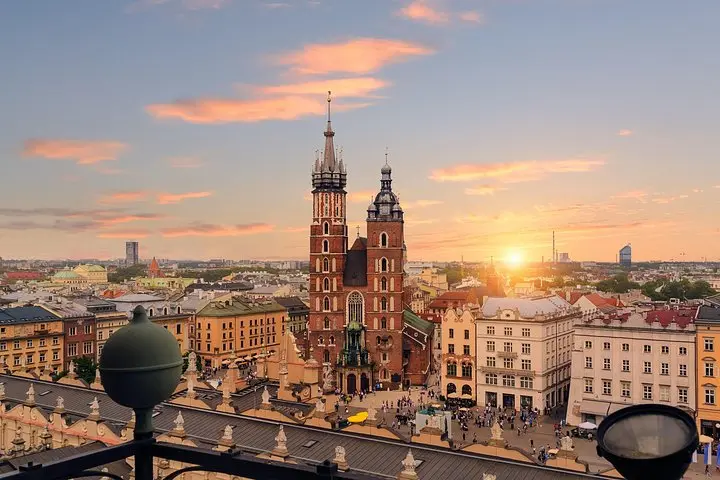
You step out of the air-conditioned shuttle at Balice and Krakow’s stone streets unfold—towering basilica spires, the steady Vistula and the cadence of trams. The itinerary moves fast: two days in the city to walk the Royal Route, a barge lunch on the river, and a subterranean detour into the Wieliczka Salt Mine’s carved chapels. Midweek shifts tone—a guided visit to Auschwitz-Birkenau demands quiet attention—then the group disperses to wooden apartments in Jamna, where evening bonfires punctuate rural rhythms.
Verified experiences and guided adventures in the surrounding area.
Operated by Poland Active · Krakow, Lesser Poland Voivodeship
You step out of the air-conditioned shuttle at Balice and Krakow’s stone streets unfold—towering basilica spires, the steady Vistula and the cadence of trams. The itinerary moves fast: two days in the city to walk the Royal Route, a barge lunch on the river, and a subterranean detour into the Wieliczka Salt Mine’s carved chapels. Midweek shifts tone—a guided visit to Auschwitz-Birkenau demands quiet attention—then the group disperses to wooden apartments in Jamna, where evening bonfires punctuate rural rhythms.
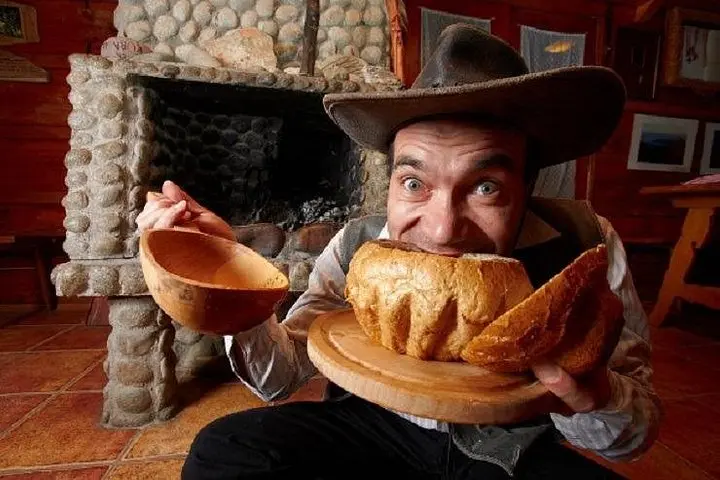
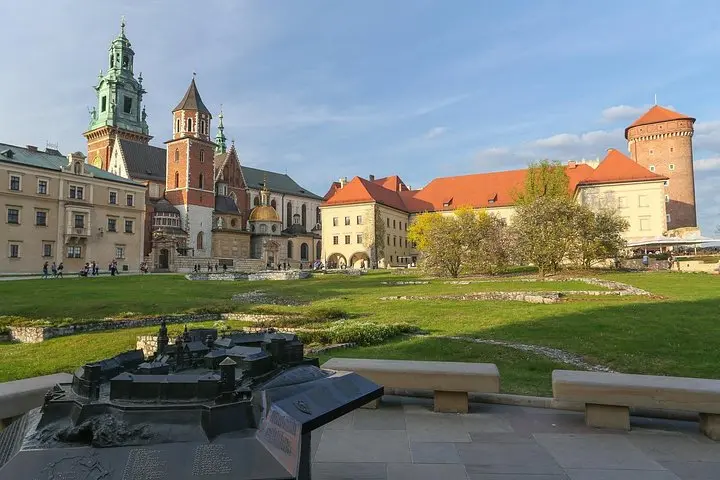
Krakow was Poland’s medieval capital and its Old Town retains that layered history: Gothic, Renaissance and Baroque façades, the Jagiellonian University’s Collegium Maius and Wawel Hill. Wieliczka exposes salt’s geology—stalactites, brine pools and chapels hewn over centuries. The countryside day includes the Stoned City nature reserve (sandstone formations), a UNESCO wooden church and hands-on workshops where students sculpt and bake, connecting with regional craft and farming culture.
Practical guidance: expect lots of walking on cobbles and stairs—Wieliczka and Auschwitz have steep staircases and limited wheelchair access. Daily distances are light-to-moderate but plan for 3–5 hours of on-foot touring some days. Bring layered clothing, a small daypack, a refillable water bottle and respectful attire for religious sites and memorials. Timing: start early to avoid crowds at the salt mine and schedule the Auschwitz visit when the group is freshest; museum visits are emotionally heavy, so allow quiet time afterward.
This tour balances history, geology and rural immersion—well suited to student groups ready for structured days, reflective moments and a taste of Poland’s countryside life.
Yes; the operator organizes it for student groups and will require student verification during booking and at certain site entries.
Inclusions list transport, accommodations, specified lunches and dinners, and admission fees to listed sites such as Wieliczka and Auschwitz as noted in the itinerary.
Both sites have limited accessibility—Wieliczka and Auschwitz include stairs and uneven surfaces; contact the operator in advance for specific assistance options.
The tour provides transfer between locations and typically handles luggage on the group vehicle; confirm pickup/drop-off details and any size limits with the operator.
Poland Active operates guided outdoor trips and adventures with an emphasis on safety, stewardship, and memorable experiences.
You step out of the air-conditioned shuttle at Balice and Krakow’s stone streets unfold—towering basilica spires, the steady Vistula and the cadence of trams. The itinerary moves fast: two days in the city to walk the Royal Route, a barge lunch on the river, and a subterranean detour into the Wieliczka Salt Mine’s carved chapels. Midweek shifts tone—a guided visit to Auschwitz-Birkenau demands quiet attention—then the group disperses to wooden apartments in Jamna, where evening bonfires punctuate rural rhythms.
You step out of the air-conditioned shuttle at Balice and Krakow’s stone streets unfold—towering basilica spires, the steady Vistula and the cadence of trams. The itinerary moves fast: two days in the city to walk the Royal Route, a barge lunch on the river, and a subterranean detour into the Wieliczka Salt Mine’s carved chapels. Midweek shifts tone—a guided visit to Auschwitz-Birkenau demands quiet attention—then the group disperses to wooden apartments in Jamna, where evening bonfires punctuate rural rhythms.
Krakow was Poland’s medieval capital and its Old Town retains that layered history: Gothic, Renaissance and Baroque façades, the Jagiellonian University’s Collegium Maius and Wawel Hill. Wieliczka exposes salt’s geology—stalactites, brine pools and chapels hewn over centuries. The countryside day includes the Stoned City nature reserve (sandstone formations), a UNESCO wooden church and hands-on workshops where students sculpt and bake, connecting with regional craft and farming culture.
Practical guidance: expect lots of walking on cobbles and stairs—Wieliczka and Auschwitz have steep staircases and limited wheelchair access. Daily distances are light-to-moderate but plan for 3–5 hours of on-foot touring some days. Bring layered clothing, a small daypack, a refillable water bottle and respectful attire for religious sites and memorials. Timing: start early to avoid crowds at the salt mine and schedule the Auschwitz visit when the group is freshest; museum visits are emotionally heavy, so allow quiet time afterward.
This tour balances history, geology and rural immersion—well suited to student groups ready for structured days, reflective moments and a taste of Poland’s countryside life.