THE ADVENTURE COLLECTIVE® · Independent discovery and booking for outdoor travel

From Ulaanbaatar to the Orkhon Valley, this five-day circuit stitches granite spires, gers, monasteries and waterfalls into a compact introduction to central Mongolia. Expect long drives, horseback outings and nights in local family gers that bring the country’s landscape and culture to life.
From Ulaanbaatar to the Orkhon Valley, this five-day circuit stitches granite spires, gers, monasteries and waterfalls into a compact introduction to central Mongolia. Expect long drives, horseback outings and nights in local family gers that bring the country’s landscape and culture to life.
On the first morning the convoy slips out of Ulaanbaatar beneath a sky the color of washed denim. Roads narrow and the city’s concrete grid yields to open steppe; wind follows the minivan like a companion, stirring sagebrush and the occasional ger fence. By midday the bronze statue of Chinggis Khan rises over the plain—an enormous figure that seems to watch travelers off the map and into the high country.
Verified experiences and guided adventures in the surrounding area.
Operated by Danista Nomads Tour · Ulaanbaatar, Ulaanbaatar
On the first morning the convoy slips out of Ulaanbaatar beneath a sky the color of washed denim. Roads narrow and the city’s concrete grid yields to open steppe; wind follows the minivan like a companion, stirring sagebrush and the occasional ger fence. By midday the bronze statue of Chinggis Khan rises over the plain—an enormous figure that seems to watch travelers off the map and into the high country.
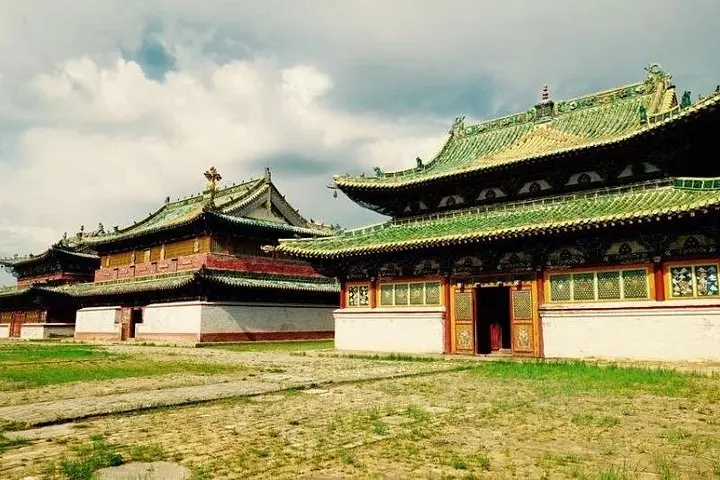
This five-day loop moves through Terelj National Park, the Orkhon Valley, Kharkhorin’s Erdene Zuu monastery and sites around Ugii Lake, threading natural drama with Mongolia’s layered history. Terelj’s granite outcrops—most famous for Turtle Rock—are erosional work hardened into sculpted forms, while the Orkhon Valley, a UNESCO World Heritage site, follows the Orkhon River through low basalt and alluvial terraces carved by millennia of meltwater. Erdene Zuu, founded in the late 16th century after Tibetan Buddhism became the state religion, lays the cultural spine of the trip: prayer wheels, painted wood beams and a courtyard where centuries of devotion are still visible.
Travel here is largely kinetic: horseback and camel rides over sand-swept dunes in Elsen Tasarkhai, a horse trek toward Ulaan Tsutgalan (Orkhon) waterfall, and boat-ready shores at Ugii Lake where birdlife crowds the shallows. Nights shift from family-run gers to a tourist camp; communal meals mean stews and dairy dishes shared with hosts who are eager to explain seasonal milking routines and nomadic imperatives.
Practical edge: distances are long. Expect 4–7 hours driving on days heading to Kharkhorin and the Orkhon Valley; Terelj is roughly 1–2 hours from Ulaanbaatar. Altitude sits around 1,300–1,600 meters—manageable, but bring layers. The tour is labeled accessible to most fitness levels, yet riders and hikers should have basic mobility and the confidence to mount a horse or camel.
Top tips for planning: pack sun protection and a sturdy pair of boots with good ankle support for uneven granite and riverbank trails. Carry cash—small settlements may not accept cards—and photocopies of travel documents for ger-stays. Respect monastery etiquette: quiet voices, right-hand circling on the walkways, and shoes removed when requested.
For wildlife watchers, Hustai National Park on the return leg offers a good chance to see Przewalski’s horse in semi-wild herds. Photography rewards come early and late: sunrise over the Orkhon, dusk at Ugii Lake and wind-swept silhouettes at Terelj’s rock formations. In all, the trip balances motion and contemplation—the steppe urging you forward, monasteries asking you to pause.
Terelj is about 1–2 hours (roughly 70–80 km) depending on traffic and road conditions.
Yes; rides are typically short and guided. Riders should be able to mount independently and follow instructions.
Nights mix family ger stays and a tourist camp; one night in a traditional ger guesthouse is typical.
Families with older children who can manage long drives and basic outdoor conditions generally do fine; check age policies with the operator.
Ensure your passport and any visa for Mongolia are valid; bring photocopies and your passport during travel in remote areas.
Meals listed include breakfast, lunch and most dinners as specified—expect communal family meals and simple camp fare.
Danista Nomads Tour operates guided outdoor trips and adventures with an emphasis on safety, stewardship, and memorable experiences.
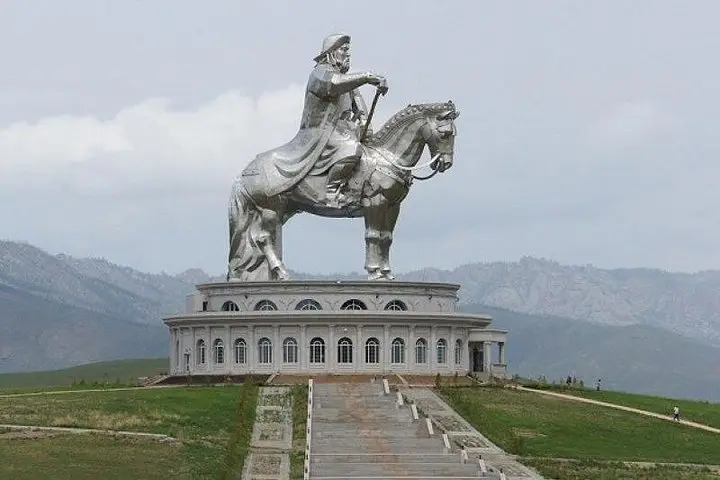
On the first morning the convoy slips out of Ulaanbaatar beneath a sky the color of washed denim. Roads narrow and the city’s concrete grid yields to open steppe; wind follows the minivan like a companion, stirring sagebrush and the occasional ger fence. By midday the bronze statue of Chinggis Khan rises over the plain—an enormous figure that seems to watch travelers off the map and into the high country.
On the first morning the convoy slips out of Ulaanbaatar beneath a sky the color of washed denim. Roads narrow and the city’s concrete grid yields to open steppe; wind follows the minivan like a companion, stirring sagebrush and the occasional ger fence. By midday the bronze statue of Chinggis Khan rises over the plain—an enormous figure that seems to watch travelers off the map and into the high country.
This five-day loop moves through Terelj National Park, the Orkhon Valley, Kharkhorin’s Erdene Zuu monastery and sites around Ugii Lake, threading natural drama with Mongolia’s layered history. Terelj’s granite outcrops—most famous for Turtle Rock—are erosional work hardened into sculpted forms, while the Orkhon Valley, a UNESCO World Heritage site, follows the Orkhon River through low basalt and alluvial terraces carved by millennia of meltwater. Erdene Zuu, founded in the late 16th century after Tibetan Buddhism became the state religion, lays the cultural spine of the trip: prayer wheels, painted wood beams and a courtyard where centuries of devotion are still visible.
Travel here is largely kinetic: horseback and camel rides over sand-swept dunes in Elsen Tasarkhai, a horse trek toward Ulaan Tsutgalan (Orkhon) waterfall, and boat-ready shores at Ugii Lake where birdlife crowds the shallows. Nights shift from family-run gers to a tourist camp; communal meals mean stews and dairy dishes shared with hosts who are eager to explain seasonal milking routines and nomadic imperatives.
Practical edge: distances are long. Expect 4–7 hours driving on days heading to Kharkhorin and the Orkhon Valley; Terelj is roughly 1–2 hours from Ulaanbaatar. Altitude sits around 1,300–1,600 meters—manageable, but bring layers. The tour is labeled accessible to most fitness levels, yet riders and hikers should have basic mobility and the confidence to mount a horse or camel.
Top tips for planning: pack sun protection and a sturdy pair of boots with good ankle support for uneven granite and riverbank trails. Carry cash—small settlements may not accept cards—and photocopies of travel documents for ger-stays. Respect monastery etiquette: quiet voices, right-hand circling on the walkways, and shoes removed when requested.
For wildlife watchers, Hustai National Park on the return leg offers a good chance to see Przewalski’s horse in semi-wild herds. Photography rewards come early and late: sunrise over the Orkhon, dusk at Ugii Lake and wind-swept silhouettes at Terelj’s rock formations. In all, the trip balances motion and contemplation—the steppe urging you forward, monasteries asking you to pause.