THE ADVENTURE COLLECTIVE® · Independent discovery and booking for outdoor travel

Move from Roman marble to cotton‑white travertines and sculpted volcanic valleys on this compact 5‑day circuit through western and central Turkey. Practical pacing, licensed guides and included logistics make it an accessible introduction to Ephesus, Pamukkale, Konya and Cappadocia.
Move from Roman marble to cotton‑white travertines and sculpted volcanic valleys on this compact 5‑day circuit through western and central Turkey. Practical pacing, licensed guides and included logistics make it an accessible introduction to Ephesus, Pamukkale, Konya and Cappadocia.
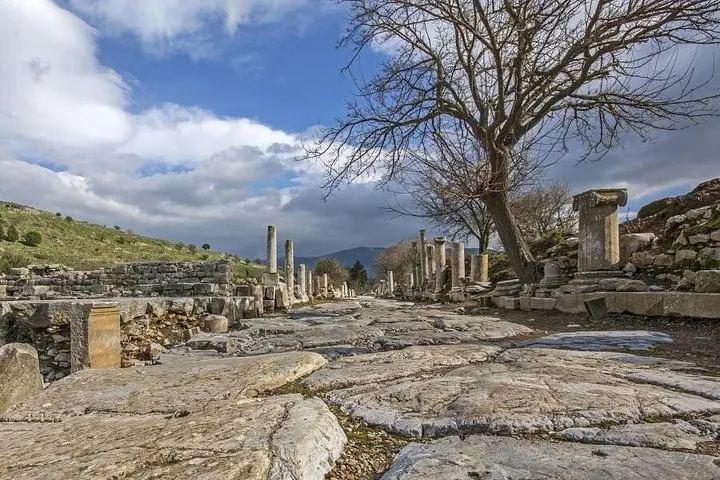
Dawn breaks over a marble street in Ephesus as the group threads through colonnades warmed by low sun, then the tour presses inland to terraces of white mineral pools that glint like frozen surf. Over five days travelers move from coastal ruins to thermal limestone cliffs, through Seljuk mosques and into the carved valleys of Cappadocia — a compact sweep of Turkey’s layered past and dramatic geology.
Verified experiences and guided adventures in the surrounding area.
Operated by Travel Tips Turkey · Göreme, Nevşehir Province
Dawn breaks over a marble street in Ephesus as the group threads through colonnades warmed by low sun, then the tour presses inland to terraces of white mineral pools that glint like frozen surf. Over five days travelers move from coastal ruins to thermal limestone cliffs, through Seljuk mosques and into the carved valleys of Cappadocia — a compact sweep of Turkey’s layered past and dramatic geology.
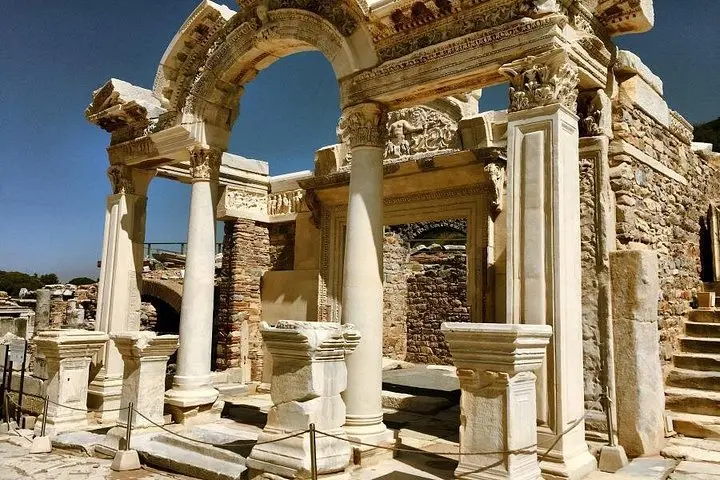
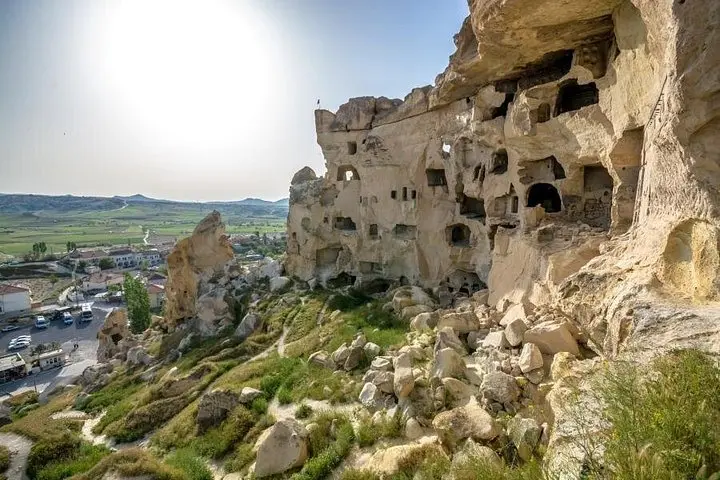
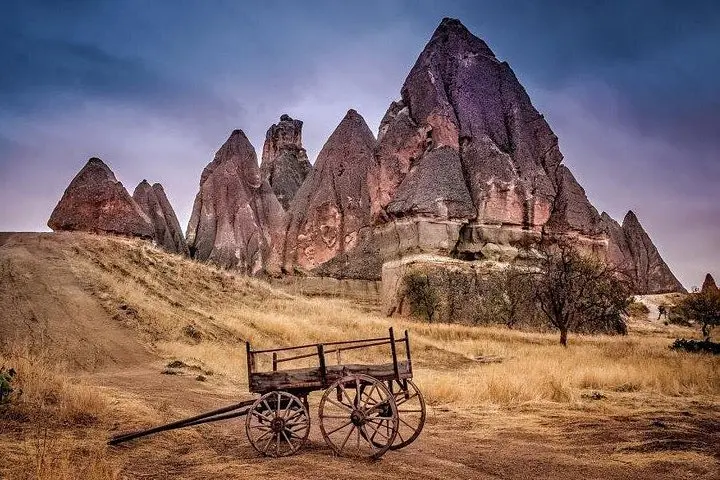
Ephesus was a major Roman port whose marble library and theater remain remarkably intact; Pamukkale’s travertine shelves are the visible result of calcium‑rich hot springs depositing mineral terraces for millennia. Konya’s association with the 13th‑century poet Rumi gives the itinerary cultural depth, while Cappadocia’s volcanic tuff, eroded into cones and caverns, hides centuries of troglodyte settlements and underground refuges.
Expect a mix of walking tours (paved streets and archaeological sites), short hikes on uneven volcanic tuff, and valley trails with loose scree and steps. Daily drives link sites; one longer transfer runs via Konya to Cappadocia. Practical essentials: bring sturdy shoes for stairs and rocky trails, sun protection and a refillable water bottle, and plan for early starts if joining optional hot‑air balloon flights. Domestic flights between Istanbul, Izmir and Cappadocia enforce a 23 kg luggage limit (15 kg checked, 8 kg carry‑on).
Guides are licensed; entry fees and most lunches are included. Pace the trip by conserving energy on transfer days, keep a layer handy for cool Cappadocia mornings, and follow local rules — especially barefoot requirements on Pamukkale’s travertines — to protect both the landscape and your experience.
Most site entrance fees and lunches listed in the itinerary are included; check the booking for specifics and any optional extras.
No — the hot‑air balloon is optional and charged separately; it requires early morning pickup and is weather dependent.
Domestic flights on this tour typically allow a total of 23 kg per passenger (15 kg checked, 8 kg hand luggage); excess baggage fees apply at airports.
Days include several hours of guided walking across archaeological sites and short valley hikes; expect stairs and uneven surfaces rather than technical climbs.
Travel Tips Turkey operates guided outdoor trips and adventures with an emphasis on safety, stewardship, and memorable experiences.
Dawn breaks over a marble street in Ephesus as the group threads through colonnades warmed by low sun, then the tour presses inland to terraces of white mineral pools that glint like frozen surf. Over five days travelers move from coastal ruins to thermal limestone cliffs, through Seljuk mosques and into the carved valleys of Cappadocia — a compact sweep of Turkey’s layered past and dramatic geology.
Dawn breaks over a marble street in Ephesus as the group threads through colonnades warmed by low sun, then the tour presses inland to terraces of white mineral pools that glint like frozen surf. Over five days travelers move from coastal ruins to thermal limestone cliffs, through Seljuk mosques and into the carved valleys of Cappadocia — a compact sweep of Turkey’s layered past and dramatic geology.
Ephesus was a major Roman port whose marble library and theater remain remarkably intact; Pamukkale’s travertine shelves are the visible result of calcium‑rich hot springs depositing mineral terraces for millennia. Konya’s association with the 13th‑century poet Rumi gives the itinerary cultural depth, while Cappadocia’s volcanic tuff, eroded into cones and caverns, hides centuries of troglodyte settlements and underground refuges.
Expect a mix of walking tours (paved streets and archaeological sites), short hikes on uneven volcanic tuff, and valley trails with loose scree and steps. Daily drives link sites; one longer transfer runs via Konya to Cappadocia. Practical essentials: bring sturdy shoes for stairs and rocky trails, sun protection and a refillable water bottle, and plan for early starts if joining optional hot‑air balloon flights. Domestic flights between Istanbul, Izmir and Cappadocia enforce a 23 kg luggage limit (15 kg checked, 8 kg carry‑on).
Guides are licensed; entry fees and most lunches are included. Pace the trip by conserving energy on transfer days, keep a layer handy for cool Cappadocia mornings, and follow local rules — especially barefoot requirements on Pamukkale’s travertines — to protect both the landscape and your experience.