THE ADVENTURE COLLECTIVE® · Independent discovery and booking for outdoor travel

Combine one of the world’s most intimate wildlife encounters—gorilla trekking in Bwindi—with adrenaline on the Nile in Jinja. This five-day route mixes dense montane forest hikes, cultural stops and guided white-water rafting for a compact, high-impact Uganda itinerary.
Combine one of the world’s most intimate wildlife encounters—gorilla trekking in Bwindi—with adrenaline on the Nile in Jinja. This five-day route mixes dense montane forest hikes, cultural stops and guided white-water rafting for a compact, high-impact Uganda itinerary.
You step off the vehicle into a humid green that presses close—ferns brushing your calves, calls of unseen birds threading the air. The forest around Bwindi feels alive in a patient, ancient way; later in the trip the Nile near Jinja opens into a different energy, foaming and urgent as it throws itself over rocks.
Verified experiences and guided adventures in the surrounding area.
Operated by Wild Jungle Trails Safaris · Kampala, Central Region
You step off the vehicle into a humid green that presses close—ferns brushing your calves, calls of unseen birds threading the air. The forest around Bwindi feels alive in a patient, ancient way; later in the trip the Nile near Jinja opens into a different energy, foaming and urgent as it throws itself over rocks.
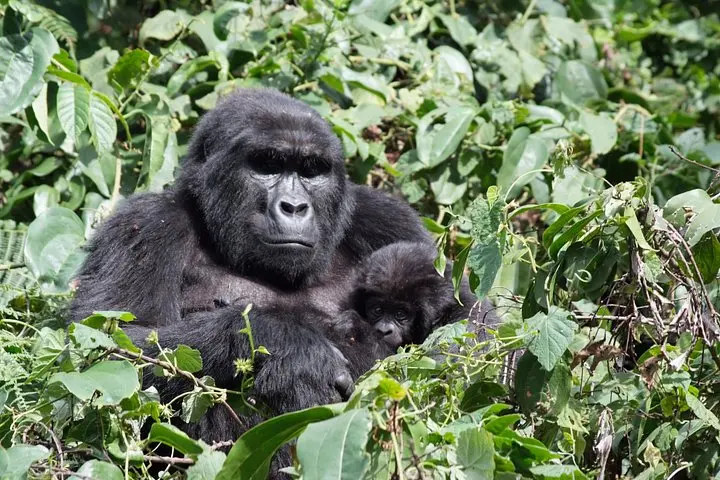
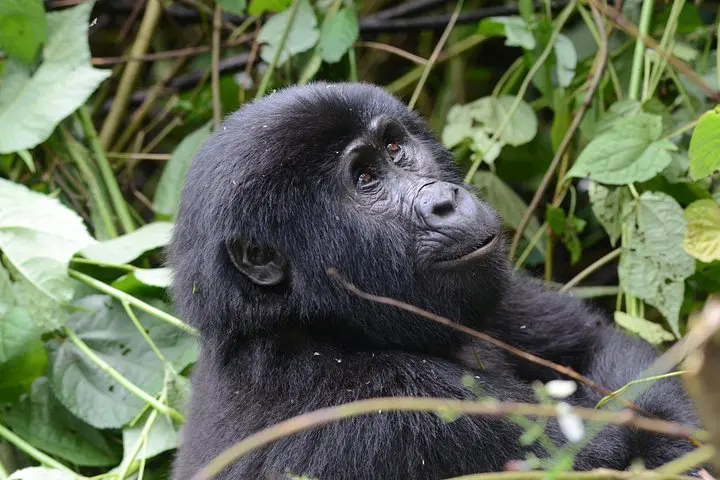
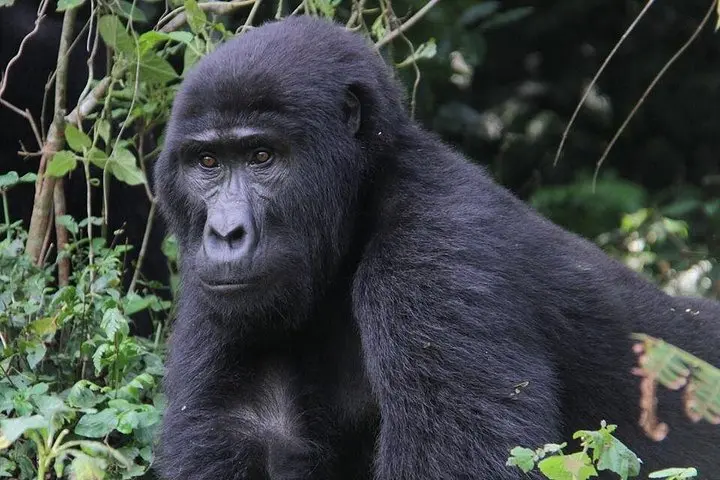
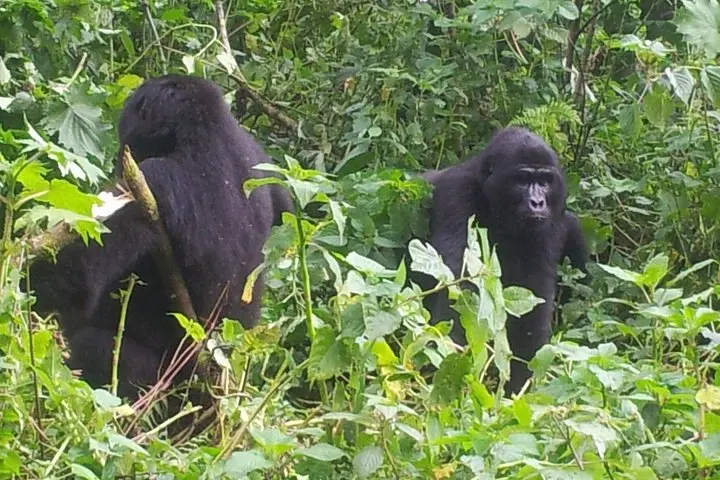
Bwindi Impenetrable Forest is among East Africa’s oldest montane rainforests, designated a UNESCO site for its endemic wildlife and complex topography. Mountain gorillas move through steep valleys and ridgelines that were shaped by tectonic uplift and erosion; downstream, the Victoria Nile’s surge at Jinja marks the historical start of the river that drains much of the continent. Cultural life follows the land—small market towns sell banana beer and handwoven mats, while village guides carry local knowledge of trails and animal behavior.
Practically, expect early mornings, full-day trekking windows, and changeable weather in the highlands. Gorilla permits are limited and essential; trackers use narrow, sometimes steep animal trails that can mean four- to eight-hour treks depending on gorilla location. For the Jinja section, white-water guides brief novices and provide safety gear; rapids range from playful to adrenaline-fuelled, so listen closely to pre-run instructions.
Prepare layered, waterproof clothing, sturdy boots, and a small daypack with water and snacks. Respect distance rules with gorillas, follow the guide’s pace, and budget extra time for road transfers between Kampala, Jinja, and Bwindi. The reward is direct—close encounters with one of Earth’s most intelligent mammals and the raw rush of the Nile, back-to-back.
Trekking time varies widely—some groups are found within an hour, others require half a day; budget for 2–8 hours in the forest on tracking days.
No—most commercial runs in Jinja accommodate beginners with professional guides, though physical ability to paddle and follow commands is required.
This itinerary specifies a gorilla tracking permit as an inclusion; always confirm at booking since permits are limited and non-transferable.
Yellow fever vaccination is required for entry to Uganda; consult a travel clinic for malaria prophylaxis and routine immunizations well before travel.
Wild Jungle Trails Safaris operates guided outdoor trips and adventures with an emphasis on safety, stewardship, and memorable experiences.
You step off the vehicle into a humid green that presses close—ferns brushing your calves, calls of unseen birds threading the air. The forest around Bwindi feels alive in a patient, ancient way; later in the trip the Nile near Jinja opens into a different energy, foaming and urgent as it throws itself over rocks.
You step off the vehicle into a humid green that presses close—ferns brushing your calves, calls of unseen birds threading the air. The forest around Bwindi feels alive in a patient, ancient way; later in the trip the Nile near Jinja opens into a different energy, foaming and urgent as it throws itself over rocks.
Bwindi Impenetrable Forest is among East Africa’s oldest montane rainforests, designated a UNESCO site for its endemic wildlife and complex topography. Mountain gorillas move through steep valleys and ridgelines that were shaped by tectonic uplift and erosion; downstream, the Victoria Nile’s surge at Jinja marks the historical start of the river that drains much of the continent. Cultural life follows the land—small market towns sell banana beer and handwoven mats, while village guides carry local knowledge of trails and animal behavior.
Practically, expect early mornings, full-day trekking windows, and changeable weather in the highlands. Gorilla permits are limited and essential; trackers use narrow, sometimes steep animal trails that can mean four- to eight-hour treks depending on gorilla location. For the Jinja section, white-water guides brief novices and provide safety gear; rapids range from playful to adrenaline-fuelled, so listen closely to pre-run instructions.
Prepare layered, waterproof clothing, sturdy boots, and a small daypack with water and snacks. Respect distance rules with gorillas, follow the guide’s pace, and budget extra time for road transfers between Kampala, Jinja, and Bwindi. The reward is direct—close encounters with one of Earth’s most intelligent mammals and the raw rush of the Nile, back-to-back.