THE ADVENTURE COLLECTIVE® · Independent discovery and booking for outdoor travel

In five days from Reykjavík, this guided loop stitches together geysers, volcano-scarred peninsulas, black-sand beaches and a walk inside a natural ice cave. Expect long drives, expert guides, supplied glacier kit and a real chance at the Northern Lights when conditions align.
In five days from Reykjavík, this guided loop stitches together geysers, volcano-scarred peninsulas, black-sand beaches and a walk inside a natural ice cave. Expect long drives, expert guides, supplied glacier kit and a real chance at the Northern Lights when conditions align.
The day begins before most of Reykjavík has opened its cafés—headlamps still humming on the bus as the coastline slips past and the sky bleeds into pale blue. You feel the island's elements immediately: wind that rearranges your hair and thought, rivers that have learned to carve without apology, and glaciers that hold the horizon like slow, patient rulers. Over five days, this guided loop stitches the cinematic extremes of west and south Iceland into one coherent route—hot springs and basalt cliffs, seismic rifts, black-sand beaches, and a glacier that glows with internal light.
Verified experiences and guided adventures in the surrounding area.
Operated by Arctic Adventures · Reykjavík, Capital Region
The day begins before most of Reykjavík has opened its cafés—headlamps still humming on the bus as the coastline slips past and the sky bleeds into pale blue. You feel the island's elements immediately: wind that rearranges your hair and thought, rivers that have learned to carve without apology, and glaciers that hold the horizon like slow, patient rulers. Over five days, this guided loop stitches the cinematic extremes of west and south Iceland into one coherent route—hot springs and basalt cliffs, seismic rifts, black-sand beaches, and a glacier that glows with internal light.
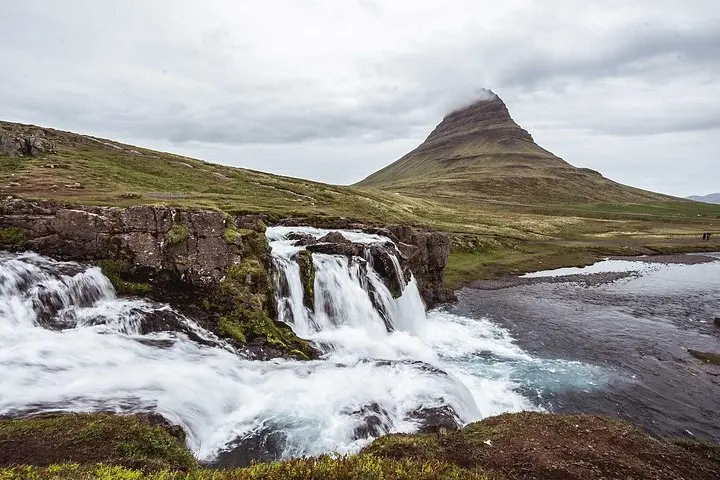
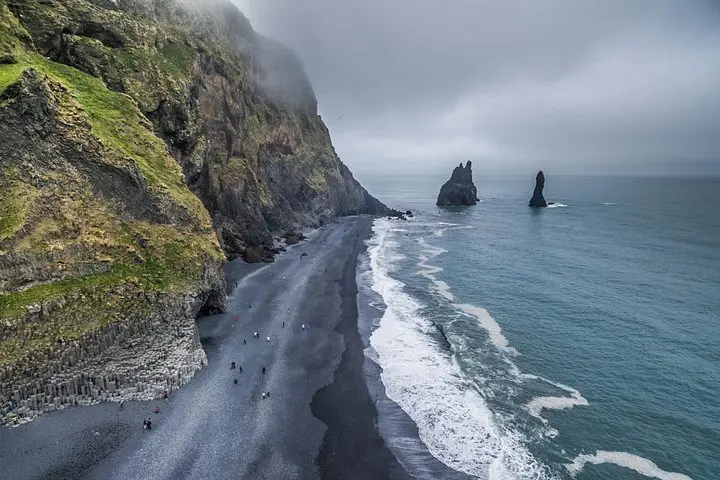
Geology and history are never footnotes here. Thingvellir sits where the North American and Eurasian plates silently pull apart; the rock there reads like an open ledger of tectonic drama. On the Snaefellsnes Peninsula you walk under cliffs formed by cooling lava; Kirkjufell rises like a weathered arrow beside the sea. Vatnajökull—the glacier that hosts the tour’s ice cave—has been in motion for millennia, shaping lagoons where icebergs calve and diamond-like chunks wash up on black sand.
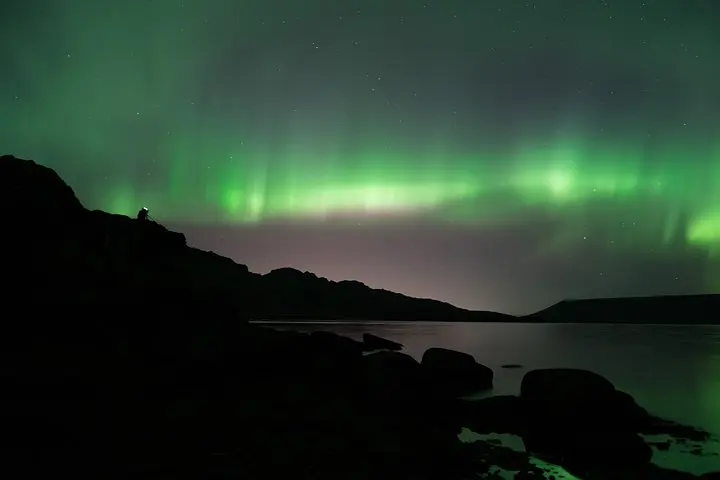
Culture on this route is quiet but unmistakable. Fishing villages like Arnarstapi and Vík remain tethered to the Atlantic’s moods; farmsteads pepper the landscape, and the island’s signature Icelandic horses often appear at the roadside, unfazed and curious. Guides fold folklore into explanations of natural processes, and on clear nights the group shifts its gaze upward in the wishful business of aurora hunting.
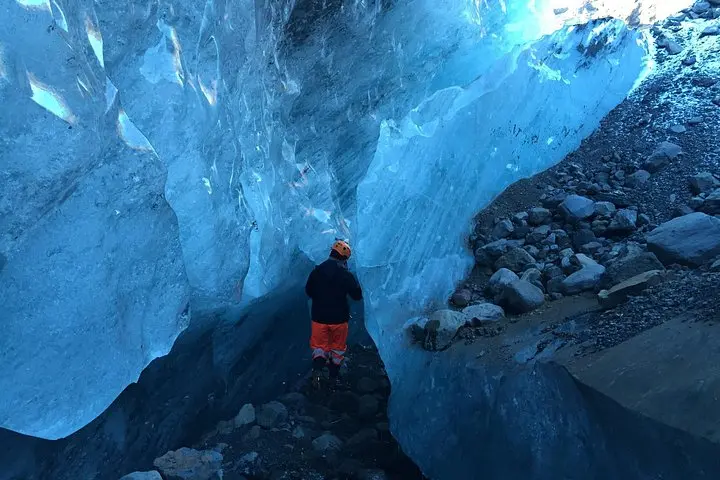
Practically speaking, expect a mix of short walks and focused excursions. Glacier hikes and the ice-cave visit include guided equipment orientation—crampons and helmets are supplied—and the glacier walk can run several hours depending on conditions. Distances between highlights are long; the itinerary factors in early departures and frequent stops. Weather drives the plan: ice caves are transient, and the chosen cave will depend on safety and conditions the day of the visit.
Bring waterproof outer layers, sturdy hiking boots, and insulated gloves—the cold on blue ice bites differently than the wind on a black-sand beach. Pack a small tripod for low-light aurora work and keep a daypack for layers and camera gear. For those chasing photos, the light near Jokulsárlón and the view from behind Seljalandsfoss reward patience.
This is a tour for travelers who want concentrated exposure to Iceland’s contrasts—powerful waterfalls, geothermal heat, and glaciers that appear to breathe. It’s organized enough to move you efficiently across the country, but wild enough that the landscape keeps reminding you who’s in charge.
Yes—guides supply crampons, helmets and basic glacier gear as part of the guided glacier hike and ice-cave visits.
The tour is rated suitable for most fitness levels but involves uneven terrain, short hikes and standing in cold conditions; moderate fitness is recommended.
Possibly—guides will try to view auroras when conditions permit, but sightings depend on solar activity and clear skies and cannot be guaranteed.
Waterproof layers, good boots, a windproof shell and a small daypack for camera gear and extra layers are ideal.
Yes—pickup from a list of specified hotels and central pickup points in Reykjavík is included; confirm your pickup point at booking.
No—ice caves are dynamic and seasonal; the operator selects a safe cave based on current conditions and may change the program for safety reasons.
Arctic Adventures operates guided outdoor trips and adventures with an emphasis on safety, stewardship, and memorable experiences.
The day begins before most of Reykjavík has opened its cafés—headlamps still humming on the bus as the coastline slips past and the sky bleeds into pale blue. You feel the island's elements immediately: wind that rearranges your hair and thought, rivers that have learned to carve without apology, and glaciers that hold the horizon like slow, patient rulers. Over five days, this guided loop stitches the cinematic extremes of west and south Iceland into one coherent route—hot springs and basalt cliffs, seismic rifts, black-sand beaches, and a glacier that glows with internal light.
The day begins before most of Reykjavík has opened its cafés—headlamps still humming on the bus as the coastline slips past and the sky bleeds into pale blue. You feel the island's elements immediately: wind that rearranges your hair and thought, rivers that have learned to carve without apology, and glaciers that hold the horizon like slow, patient rulers. Over five days, this guided loop stitches the cinematic extremes of west and south Iceland into one coherent route—hot springs and basalt cliffs, seismic rifts, black-sand beaches, and a glacier that glows with internal light.
Geology and history are never footnotes here. Thingvellir sits where the North American and Eurasian plates silently pull apart; the rock there reads like an open ledger of tectonic drama. On the Snaefellsnes Peninsula you walk under cliffs formed by cooling lava; Kirkjufell rises like a weathered arrow beside the sea. Vatnajökull—the glacier that hosts the tour’s ice cave—has been in motion for millennia, shaping lagoons where icebergs calve and diamond-like chunks wash up on black sand.
Culture on this route is quiet but unmistakable. Fishing villages like Arnarstapi and Vík remain tethered to the Atlantic’s moods; farmsteads pepper the landscape, and the island’s signature Icelandic horses often appear at the roadside, unfazed and curious. Guides fold folklore into explanations of natural processes, and on clear nights the group shifts its gaze upward in the wishful business of aurora hunting.
Practically speaking, expect a mix of short walks and focused excursions. Glacier hikes and the ice-cave visit include guided equipment orientation—crampons and helmets are supplied—and the glacier walk can run several hours depending on conditions. Distances between highlights are long; the itinerary factors in early departures and frequent stops. Weather drives the plan: ice caves are transient, and the chosen cave will depend on safety and conditions the day of the visit.
Bring waterproof outer layers, sturdy hiking boots, and insulated gloves—the cold on blue ice bites differently than the wind on a black-sand beach. Pack a small tripod for low-light aurora work and keep a daypack for layers and camera gear. For those chasing photos, the light near Jokulsárlón and the view from behind Seljalandsfoss reward patience.
This is a tour for travelers who want concentrated exposure to Iceland’s contrasts—powerful waterfalls, geothermal heat, and glaciers that appear to breathe. It’s organized enough to move you efficiently across the country, but wild enough that the landscape keeps reminding you who’s in charge.