THE ADVENTURE COLLECTIVE® · Independent discovery and booking for outdoor travel

Ride a camel or horse around the Giza Plateau and get sweeping views of the Great Pyramids and Sphinx on a five-hour, guide-led tour. Expect desert sand, limestone outcrops, and practical tips for sun, water, and tipping.
Ride a camel or horse around the Giza Plateau and get sweeping views of the Great Pyramids and Sphinx on a five-hour, guide-led tour. Expect desert sand, limestone outcrops, and practical tips for sun, water, and tipping.
You step from an air-conditioned van into a wind that has moved the same sand for millennia; the pyramids rise like folded stone against a blue sky and a camel waits with patient sway. The first impression is scale: the Great Pyramid’s weathered blocks loom larger as you mount, and the Sphinx watches the procession with an unblinking stare.
Verified experiences and guided adventures in the surrounding area.
Operated by Visitors Egypt Tours · Giza, Giza Governorate
You step from an air-conditioned van into a wind that has moved the same sand for millennia; the pyramids rise like folded stone against a blue sky and a camel waits with patient sway. The first impression is scale: the Great Pyramid’s weathered blocks loom larger as you mount, and the Sphinx watches the procession with an unblinking stare.
These monuments date to Egypt’s Old Kingdom — Khufu’s Great Pyramid around 2560 BCE — built from Tura limestone and quarried blocks transported along the Nile. The plateau is geological grit and wind-polished facades; beneath the tourist paths are ancient quarry scars and the Valley Temple’s dressed stone floors. Local culture still orbits these sites: Bedouin and camel handlers maintain a living skill set of animal care and desert navigation, while vendors and craftsmen keep traditional trades visible at the edge of the plateau.
On a five-hour camel or horse ride you’ll circle major points — Khufu, Khafre, Menkaure, the Sphinx, and the Valley Temple — taking panoramic photo breaks and hearing stories that supplement, not replace, the archaeological record. Expect stretches of loose sand, short climbs onto viewing mounds, and periods of slow, undulating motion on the camel’s back.
Practical guidance: wear sturdy closed-toe shoes and sun protection, carry at least 1–2 liters of water, and plan for midday heat in summer. Bring small bills for tips and photos, confirm whether you prefer horse or camel when booking, and listen to your guide during mounting and dismounting—animal handlers will assist. This trip blends quiet desert travel with the raw presence of one of the world’s oldest monuments, offering both an accessible adventure and close-up cultural context.
Yes — operators typically allow you to select your preferred mount during booking or at pickup; specify your choice when you reserve.
Yes, the tour is described as suitable for all fitness levels, but riders with spinal injuries or severe mobility issues should avoid mounting animals.
No — this ride provides exterior panoramic views; interior pyramid access requires separate tickets and arrangements at the site.
Tipping and small purchases are usually paid in cash (Egyptian pounds); major vendors may accept cards but small vendors and handlers often do not.
Visitors Egypt Tours operates guided outdoor trips and adventures with an emphasis on safety, stewardship, and memorable experiences.
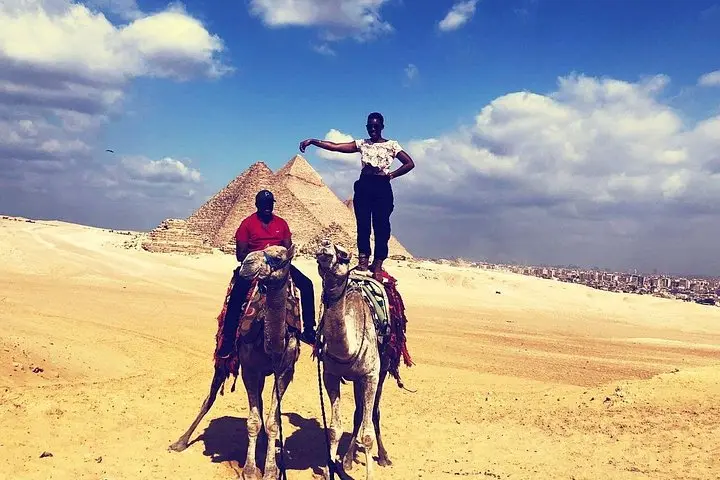
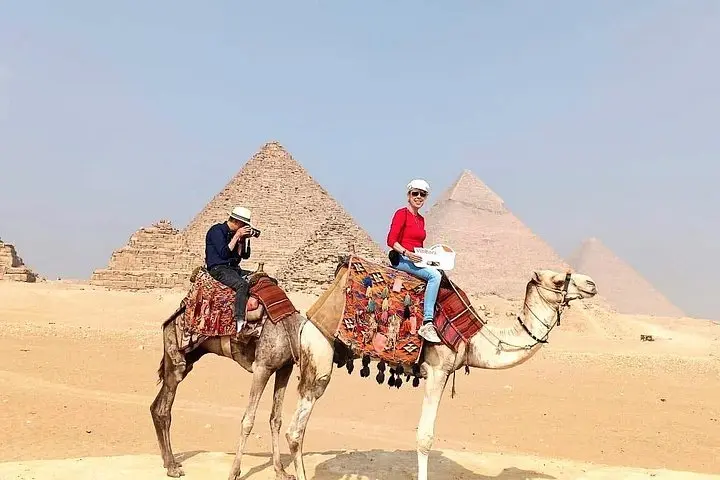
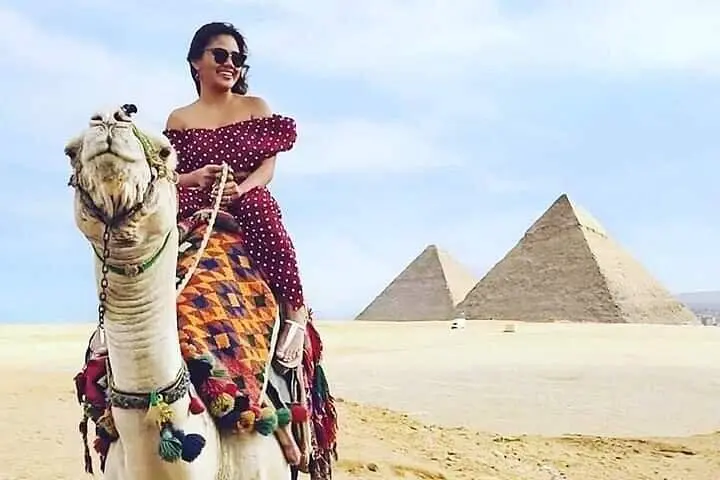
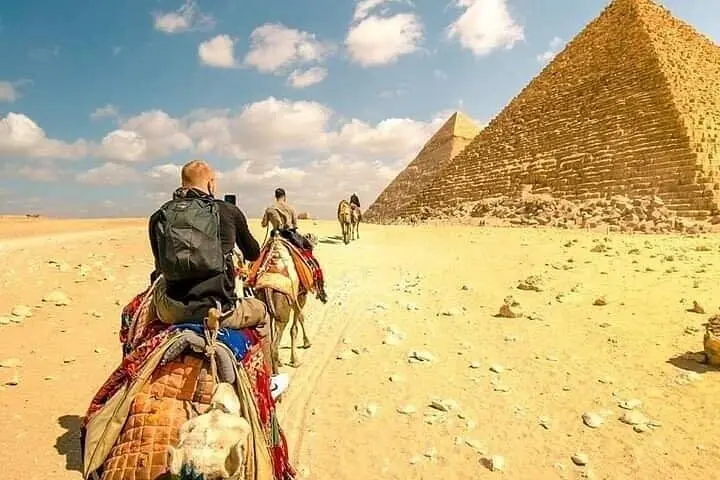
You step from an air-conditioned van into a wind that has moved the same sand for millennia; the pyramids rise like folded stone against a blue sky and a camel waits with patient sway. The first impression is scale: the Great Pyramid’s weathered blocks loom larger as you mount, and the Sphinx watches the procession with an unblinking stare.
You step from an air-conditioned van into a wind that has moved the same sand for millennia; the pyramids rise like folded stone against a blue sky and a camel waits with patient sway. The first impression is scale: the Great Pyramid’s weathered blocks loom larger as you mount, and the Sphinx watches the procession with an unblinking stare.
These monuments date to Egypt’s Old Kingdom — Khufu’s Great Pyramid around 2560 BCE — built from Tura limestone and quarried blocks transported along the Nile. The plateau is geological grit and wind-polished facades; beneath the tourist paths are ancient quarry scars and the Valley Temple’s dressed stone floors. Local culture still orbits these sites: Bedouin and camel handlers maintain a living skill set of animal care and desert navigation, while vendors and craftsmen keep traditional trades visible at the edge of the plateau.
On a five-hour camel or horse ride you’ll circle major points — Khufu, Khafre, Menkaure, the Sphinx, and the Valley Temple — taking panoramic photo breaks and hearing stories that supplement, not replace, the archaeological record. Expect stretches of loose sand, short climbs onto viewing mounds, and periods of slow, undulating motion on the camel’s back.
Practical guidance: wear sturdy closed-toe shoes and sun protection, carry at least 1–2 liters of water, and plan for midday heat in summer. Bring small bills for tips and photos, confirm whether you prefer horse or camel when booking, and listen to your guide during mounting and dismounting—animal handlers will assist. This trip blends quiet desert travel with the raw presence of one of the world’s oldest monuments, offering both an accessible adventure and close-up cultural context.