THE ADVENTURE COLLECTIVE® · Independent discovery and booking for outdoor travel

A compact 6-day circuit from Beirut that pairs Jeita Grotto and Harissa’s coastal panoramas with the grand Roman ruins of Baalbek and the ancient Cedars of God. Expect guided hotel pickups, coach transfers and a mix of easy walks and site exploration.
A compact 6-day circuit from Beirut that pairs Jeita Grotto and Harissa’s coastal panoramas with the grand Roman ruins of Baalbek and the ancient Cedars of God. Expect guided hotel pickups, coach transfers and a mix of easy walks and site exploration.
You step out of Beirut Rafic Hariri International into warm Mediterranean air and the city’s hum: honking taxis, citrus-scented breezes and a driver waiting with your name. The first hour is coastal highway — a blue bay to your right, limestone cliffs to your left — and already the itinerary’s contrasts are clear: underground rivers, Phoenician ports, Roman colonnades and ancient cedar groves.
Verified experiences and guided adventures in the surrounding area.
Operated by Beirut Daily Tours · Beirut, Beirut Governorate
You step out of Beirut Rafic Hariri International into warm Mediterranean air and the city’s hum: honking taxis, citrus-scented breezes and a driver waiting with your name. The first hour is coastal highway — a blue bay to your right, limestone cliffs to your left — and already the itinerary’s contrasts are clear: underground rivers, Phoenician ports, Roman colonnades and ancient cedar groves.
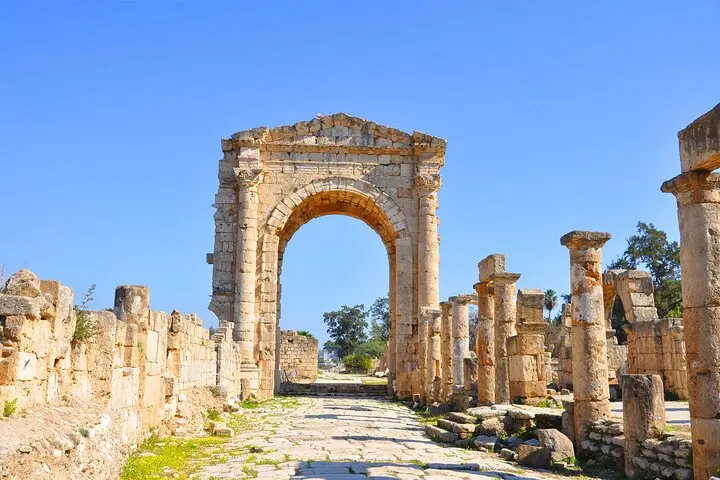
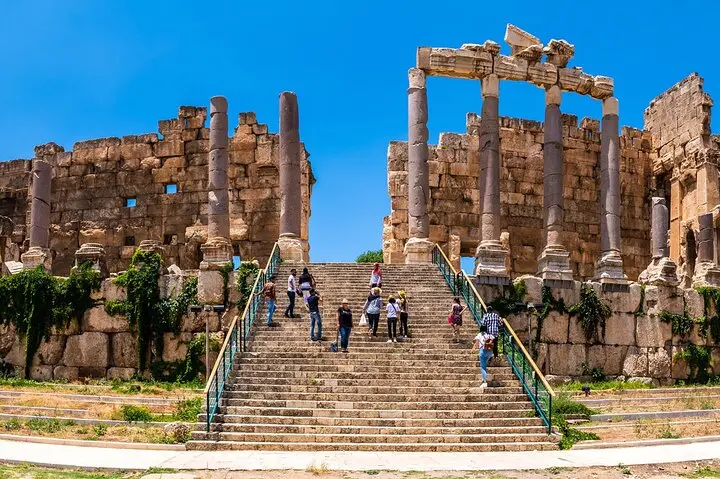
Jeita Grotto opens like a carved cathedral: limestone draperies, underground lakes and a slow, cool hush where geology has been working for millions of years. Harissa’s bronze Virgin watches the Jounieh Bay below; Byblos threads Phoenician, Roman and Crusader layers into its harbor and souk. Inland, Baalbek’s Temple of Jupiter demonstrates Roman engineering on a colossal scale, set against the Bekaa Valley’s agricultural plain. Upcountry, the Qadisha Valley and the Cedars of God recall early Christian hermitages and Lebanon’s symbolic cedar, a tree cited from antiquity and central to local identity.
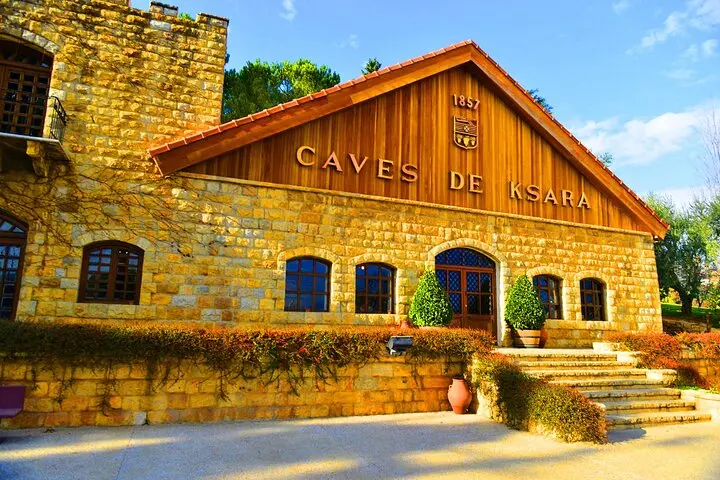
Culturally, expect warm, conversational guides, café culture pauses and meals that emphasize mezze and regional wines from Château Ksara in the Bekaa. Logistics are straightforward: hotel-based nights in Beirut, air-conditioned coach transfers, and daily walks of variable length at archaeological and natural sites.
Practical edge: wear sturdy walking shoes for uneven stone and cave pathways, carry a light layer for cavern coolness and mountain breezes, hydrate for coastal sun and interior elevation, and keep photocopies of travel documents. Tours move at a steady but relaxed pace — plan to stand, climb short staircases and bring curiosity for history as much as a good pair of shoes.
Popular sites like Jeita Grotto and Baalbek are included in this itinerary’s admissions as specified; confirm details at booking.
Most days include short-to-moderate walks (15–120 minutes at sites) with some stairs and uneven surfaces—no technical hiking required.
Guides typically speak English and Arabic; tour operator may provide other languages on request—check at booking.
Round-trip airport transfers and hotel pickup/drop-off are included with this package.
Beirut Daily Tours operates guided outdoor trips and adventures with an emphasis on safety, stewardship, and memorable experiences.
You step out of Beirut Rafic Hariri International into warm Mediterranean air and the city’s hum: honking taxis, citrus-scented breezes and a driver waiting with your name. The first hour is coastal highway — a blue bay to your right, limestone cliffs to your left — and already the itinerary’s contrasts are clear: underground rivers, Phoenician ports, Roman colonnades and ancient cedar groves.
You step out of Beirut Rafic Hariri International into warm Mediterranean air and the city’s hum: honking taxis, citrus-scented breezes and a driver waiting with your name. The first hour is coastal highway — a blue bay to your right, limestone cliffs to your left — and already the itinerary’s contrasts are clear: underground rivers, Phoenician ports, Roman colonnades and ancient cedar groves.
Jeita Grotto opens like a carved cathedral: limestone draperies, underground lakes and a slow, cool hush where geology has been working for millions of years. Harissa’s bronze Virgin watches the Jounieh Bay below; Byblos threads Phoenician, Roman and Crusader layers into its harbor and souk. Inland, Baalbek’s Temple of Jupiter demonstrates Roman engineering on a colossal scale, set against the Bekaa Valley’s agricultural plain. Upcountry, the Qadisha Valley and the Cedars of God recall early Christian hermitages and Lebanon’s symbolic cedar, a tree cited from antiquity and central to local identity.
Culturally, expect warm, conversational guides, café culture pauses and meals that emphasize mezze and regional wines from Château Ksara in the Bekaa. Logistics are straightforward: hotel-based nights in Beirut, air-conditioned coach transfers, and daily walks of variable length at archaeological and natural sites.
Practical edge: wear sturdy walking shoes for uneven stone and cave pathways, carry a light layer for cavern coolness and mountain breezes, hydrate for coastal sun and interior elevation, and keep photocopies of travel documents. Tours move at a steady but relaxed pace — plan to stand, climb short staircases and bring curiosity for history as much as a good pair of shoes.