THE ADVENTURE COLLECTIVE® · Independent discovery and booking for outdoor travel

Sail the Upper Nile aboard a restored dahabiya for three nights between Aswan and Luxor, visiting Abu Simbel, Philae, Kom Ombo, Edfu and the Valley of the Kings. This luxury cruise pairs relaxed river time with guided walks through Egypt’s most iconic archaeological sites.
Sail the Upper Nile aboard a restored dahabiya for three nights between Aswan and Luxor, visiting Abu Simbel, Philae, Kom Ombo, Edfu and the Valley of the Kings. This luxury cruise pairs relaxed river time with guided walks through Egypt’s most iconic archaeological sites.
The Nile slips past like history in motion: palm-fringed banks blur into open water as a restored dahabiya — a traditional, sail-style luxury boat — eases away from Aswan. On deck, the river breathes warm, sun-soaked air that pushes you toward temples whose stone faces have watched the same current for millennia.
Verified experiences and guided adventures in the surrounding area.
Operated by Egypt Best Day Tours · Aswan, Aswan Governorate
The Nile slips past like history in motion: palm-fringed banks blur into open water as a restored dahabiya — a traditional, sail-style luxury boat — eases away from Aswan. On deck, the river breathes warm, sun-soaked air that pushes you toward temples whose stone faces have watched the same current for millennia.
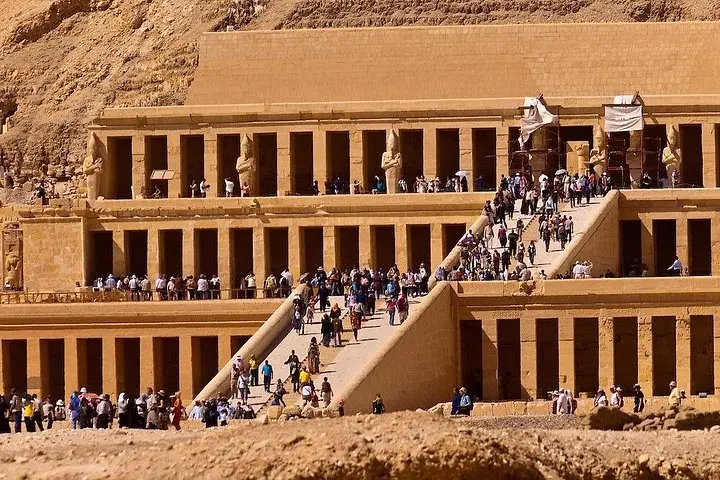
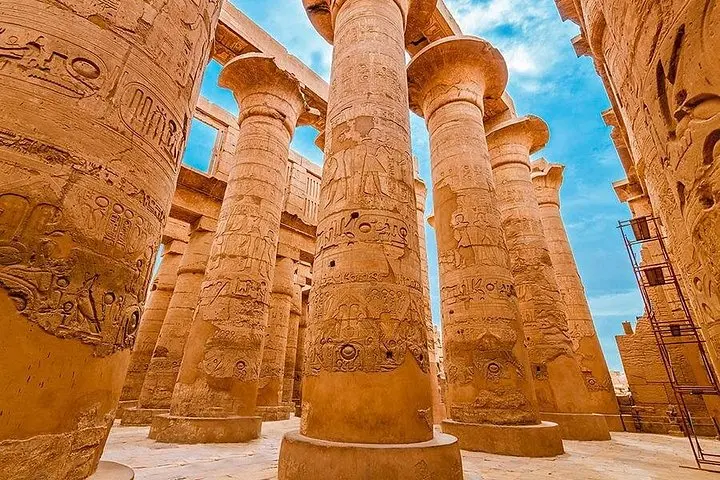
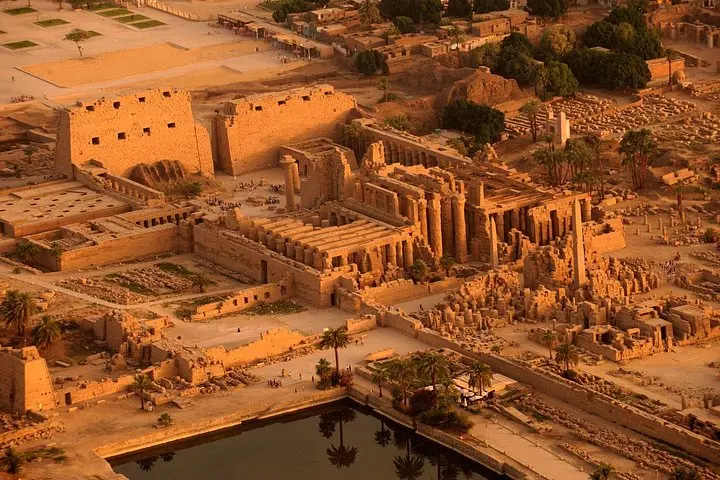
This three-night, four-day itinerary threads together Egypt’s Upper Nile highlights: Philae set on an island reclaimed from the floodplain, the modern Aswan High Dam’s concrete sweep, the monumental twin façades of Abu Simbel, Kom Ombo’s split dedication to Sobek and Horus, Edfu’s Horus temple and the layered glories of Luxor and the Valley of the Kings. Geology here is simple and striking — a narrow, fertile ribbon of alluvial soil between desert escarpments — and human history read like strata carved in sandstone and granite.
Local culture is present at every landing: market-side sellers in Aswan, feluccas skimming the river, and guide-led interpretations that unpack pharaonic religion and the 20th-century relocations that saved many temples from the rising Nile.
Practical guidance: tours include cabin accommodation, meals, and guided site visits, but temple terrains are uneven, stairs common and shade limited. Plan early starts to avoid midday heat, carry Egyptian pounds for small purchases, and allow time at sites for photography and acclimatization. Expect easy physical demands aboard the dahabiya and short but sometimes steep walks ashore — comfortable walking shoes, sun protection and a light layer will keep the trip enjoyable from Aswan’s harbor to Luxor’s temples.
Yes — the trip includes a guided visit to Abu Simbel, typically on day two, with entrance included as part of the planned stops.
Walks are generally short but include stairs and uneven temple surfaces; most travelers with average mobility can manage them with care.
Yes — the package includes three meals per day and cabin accommodation on the 5-star dahabeya for the duration of the cruise.
Most nationalities require an entry visa for Egypt and a valid passport; check visa rules for your country and carry passport details for booking and site access.
Egypt Best Day Tours operates guided outdoor trips and adventures with an emphasis on safety, stewardship, and memorable experiences.
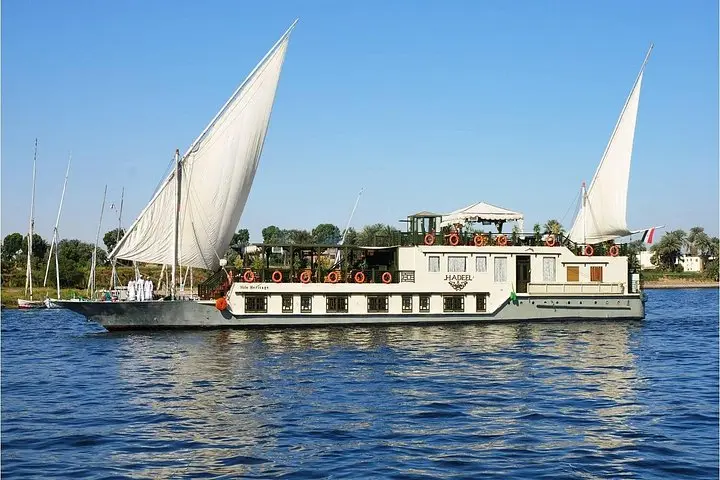
The Nile slips past like history in motion: palm-fringed banks blur into open water as a restored dahabiya — a traditional, sail-style luxury boat — eases away from Aswan. On deck, the river breathes warm, sun-soaked air that pushes you toward temples whose stone faces have watched the same current for millennia.
The Nile slips past like history in motion: palm-fringed banks blur into open water as a restored dahabiya — a traditional, sail-style luxury boat — eases away from Aswan. On deck, the river breathes warm, sun-soaked air that pushes you toward temples whose stone faces have watched the same current for millennia.
This three-night, four-day itinerary threads together Egypt’s Upper Nile highlights: Philae set on an island reclaimed from the floodplain, the modern Aswan High Dam’s concrete sweep, the monumental twin façades of Abu Simbel, Kom Ombo’s split dedication to Sobek and Horus, Edfu’s Horus temple and the layered glories of Luxor and the Valley of the Kings. Geology here is simple and striking — a narrow, fertile ribbon of alluvial soil between desert escarpments — and human history read like strata carved in sandstone and granite.
Local culture is present at every landing: market-side sellers in Aswan, feluccas skimming the river, and guide-led interpretations that unpack pharaonic religion and the 20th-century relocations that saved many temples from the rising Nile.
Practical guidance: tours include cabin accommodation, meals, and guided site visits, but temple terrains are uneven, stairs common and shade limited. Plan early starts to avoid midday heat, carry Egyptian pounds for small purchases, and allow time at sites for photography and acclimatization. Expect easy physical demands aboard the dahabiya and short but sometimes steep walks ashore — comfortable walking shoes, sun protection and a light layer will keep the trip enjoyable from Aswan’s harbor to Luxor’s temples.